
Electronics Mystery Boxes in Canada or Mexico: What You Pay at the Door
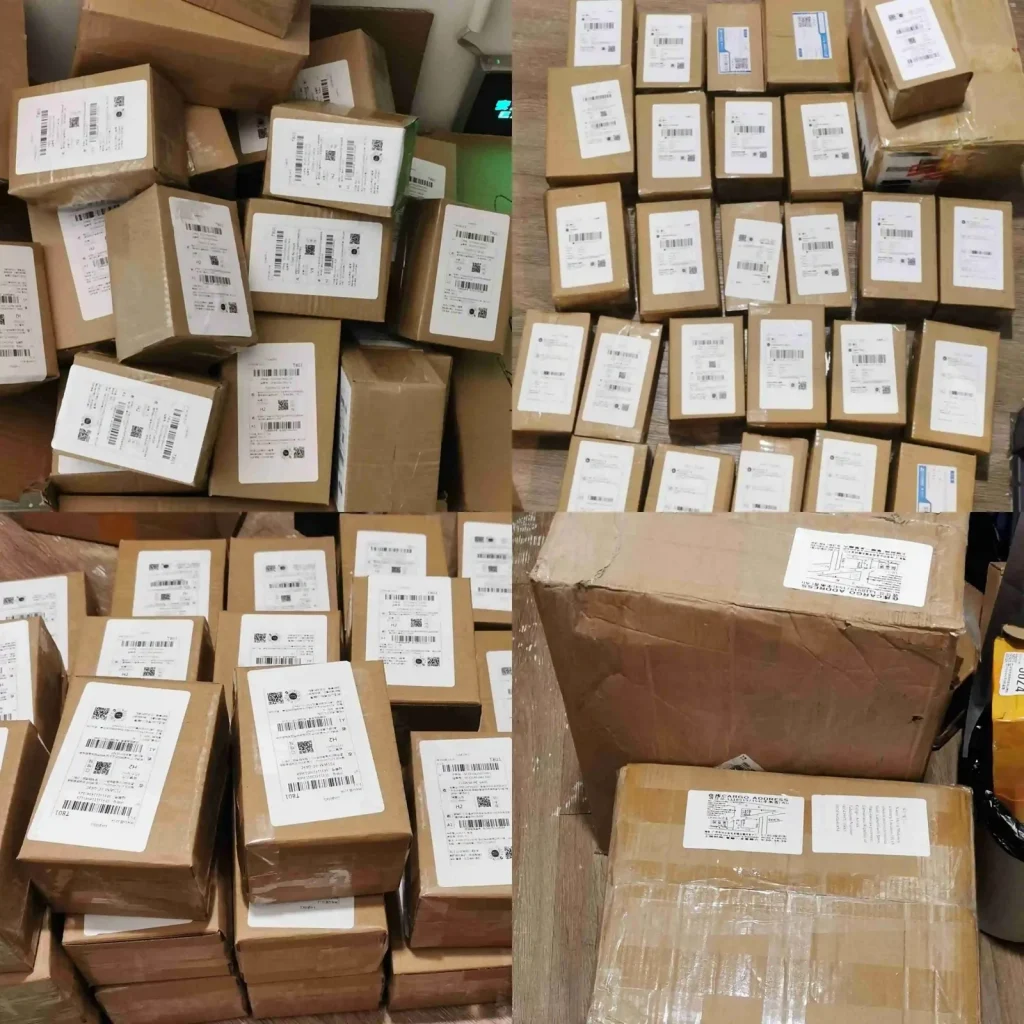
If you live in Canada or Mexico and you order an electronics mystery box shipped from China, the price you pay at checkout is not the price you pay. Both countries charge on small parcels from outside North America, and both changed their rules recently, so most advice you will find online is stale. Here is what you should expect at the door in each country, how it is calculated, and how to keep it small.
Why the Country You Ship From Matters More Than Where the Goods Are Made
The first thing you need to know is that both Canada and Mexico decide your small-parcel treatment by the country the box is shipped from, not by where the items inside were manufactured. A box of Chinese-made accessories posted from a US warehouse is treated as a US shipment. The same box posted from a warehouse in China is treated as a Chinese shipment, and that puts it in the less generous bracket in both countries.
That is the single fact that decides most of what you will pay. A seller with North American stock has already cleared the goods in bulk before you ordered. The import cost is baked into the price you see. A seller shipping to you directly from China, which is what Mewoo does and says so, hands that import step to you. The general difference between the two arrangements is set out in US-shipped vs overseas mystery boxes; this article is the Canadian and Mexican version of the same trade-off.
Canada: The CAD $20 Line
- In Canada, a box shipped to you from outside the US or Mexico is duty and tax free only up to CAD $20; above that you pay GST/HST and any duty on the whole value.
- In Mexico, the old US$50 allowance for parcels from countries without a trade agreement was removed in 2025; a flat global rate now applies to courier parcels from China.
- Keep the declared value small, prefer DDP when a seller offers it, and never ask a seller to under-declare for you.
The Canada Border Services Agency runs two different thresholds, and you need to know which one applies to your box. For courier shipments from the United States or Mexico, goods up to CAD $40 arrive duty and tax free, and goods from CAD $40 up to CAD $150 are duty free but taxed. For courier shipments from any other country, including China, the allowance is CAD $20, and above that both duty and tax apply. For postal shipments, the CAD $20 line applies from every country.
For you, ordering a box from China, the practical rule is short: anything over CAD $20 declared value will be assessed. A one-item box at US$9.80 is roughly CAD $13 and usually clears free. A three-item box at US$29 is roughly CAD $40 and will be assessed. What you then pay is GST or HST at your province's rate on the declared value, plus any duty the tariff classification carries. If it came by courier rather than post, add the carrier's handling fee.
That handling fee is the part most Canadian buyers are surprised by. Couriers charge a brokerage or processing fee for collecting duty and tax on your behalf, and on a cheap box that fee can be larger than the tax itself. Postal delivery through Canada Post carries a lower flat handling charge, which is one reason a slower postal service can be the cheaper total for a low-value box.
Mexico: The Allowance That Went Away
Mexico used to be the easy case. Courier parcels valued at US$50 or less came in duty free with only a small processing fee, whatever country they came from. In 2025 the Mexican tax authority changed the rules for its simplified courier entry. Parcels from countries with no trade agreement with Mexico, which includes China, lost that allowance. They now pay a flat global rate on the whole value. The rate has been revised during the year, and reporting puts it substantially higher for goods that do not qualify as North American in origin.
Parcels shipped to you from the United States or Canada keep a reduced treatment, with a tax-free allowance around US$50 and a duty-free allowance up to US$117, subject to conditions. Again, that is about where the parcel is shipped from, not where the gadgets were made.
Because the Mexican rate has moved more than once, you should treat any specific percentage you read online, including here, as a snapshot. Before you order, check the current global rate on the carrier's Mexico page or the tax authority's site, and read the seller's own country-by-country statement. Mewoo does not quote duty in advance: its country and import information page says the box ships from China, that who pays duty depends on the order terms, and that you should confirm your destination before ordering, so ask before you pay and compare that answer against the box price.

What You Actually Pay, Side by Side
| Box shipped from China | Canada | Mexico |
|---|---|---|
| Free allowance | CAD $20 (courier or post) | None since 2025 for courier entry |
| Above the allowance | GST/HST on value + any duty | Flat global rate on value |
| Carrier handling fee | Courier brokerage fee; lower flat fee by post | Courier processing fee |
| Who pays | You, at delivery, unless DDP | You, at delivery, unless DDP |
| Cheapest tier likely to clear free | 1 item (about CAD $13) | None reliably |
| Same box posted from the US | CAD $40 free, CAD $150 duty free | About US$50 tax free, US$117 duty free |
Read the last row against the first. If you are in Canada or Mexico, the same electronics box costs you less at the door when a seller posts it from a US address, even if every item inside came from the same Chinese factory. That is why you should ask a seller where the parcel will be dispatched from, and why a slightly higher price from a US warehouse can still be the cheaper total for you.
Note: You may be tempted to ask a seller to declare a lower value so your box slips under a threshold. Do not. Under-declaration is a customs offence for the importer, which is you, not the seller, and a parcel flagged for it can be held, reassessed at the officer's valuation, or returned. A seller who offers to do it unasked is telling you how they handle everything else too. The UK and EU rules, with the 2026 change to the EU's duty-free line, are in mystery box to the UK or EU: VAT, duty and who pays.
DDP: When the Seller Pays It for You
Some overseas sellers offer delivered duty paid. You pay one price at checkout, the seller settles the import charges with the carrier, and nothing is collected from you at the door. For a Canadian or Mexican buyer this removes the uncertainty, and on a low-value box it often removes the courier handling fee too, because the seller's carrier account is charged at a different rate than yours would be.
DDP is not free money. The duty has been moved into the price you paid, so a DDP listing should cost you more than the same box sold delivered duty unpaid. If it does not, ask where the difference came from. What you are buying with DDP is a known total, and for a first order across a border, a known total is worth a small premium.
How to Keep the Charge Small
- Check where it ships from. A US dispatch address puts you in the better bracket in both countries.
- Start with the smallest tier. In Canada the one-item box usually clears under CAD $20; larger tiers will be assessed, so decide whether you want to test the format or stock up.
- Prefer post over courier for cheap boxes into Canada. The handling fee is lower, and the transit time is the cost.
- Take DDP when it is offered. Especially for Mexico, where the rate has been moving.
- Add the door charge to the checkout price before you compare sellers. That total is the real price you are paying.
- Pay by credit card. If the parcel never clears and never arrives, you want the dispute route described in which payment methods actually protect you.
When the Box Is Held at the Border
A held parcel is usually a payment prompt, not a problem. The carrier sends you a notice, you pay the duty and tax online or at delivery, and the box is released. If you do not pay within the carrier's window, the parcel is returned to the sender at the sender's cost. You are then in a refund conversation with the seller rather than a delivery conversation with the carrier. Keep the notice, pay promptly if you want the box, and if you decide not to pay, tell the seller before the return happens so your refund is not delayed by a parcel in transit back to China.
FAQ
Do I pay customs on a mystery box in Canada?
Yes, on most tiers. A box posted from China gets one allowance in Canada, CAD $20, and beyond it you are billed your province's sales tax on the declared value, any tariff duty, and whatever the carrier charges for collecting them. The one-item tier is about CAD $13 and normally slips through; anything from three items upward should be budgeted with a door charge.
Why is my courier charging me a brokerage fee?
Because the courier collected duty and tax on your behalf and charges for the service. On a cheap box that fee can exceed the tax itself, which is why Canadian buyers often find that a slower postal delivery, with its lower flat handling charge, works out cheaper in total. Ask the seller which service they use before you decide.
What changed for Mexico in 2025?
Your cheap box stopped being free. Until 2025 you could receive a courier parcel worth US$50 or less without duty, whoever sent it. Now, if it comes from a country Mexico has no trade deal with, you pay a single percentage on the full value, and that percentage has been revised more than once this year. Check today's figure with your carrier before you order.
Is it cheaper if the seller ships from the United States?
At the door, yes, in both countries. Canada allows CAD $40 tax free and CAD $150 duty free on courier parcels from the US, against CAD $20 from anywhere else. Mexico keeps allowances of about US$50 and US$117 for US-shipped parcels while charging the global rate on Chinese-shipped ones. Compare the checkout price plus the door charge, not the checkout price alone.
Should I choose DDP shipping?
For a first cross-border order, yes if a seller offers it. You pay a single known total and nothing is collected on delivery, which also tends to avoid the courier's handling fee. Expect the DDP price to sit above the unpaid-duty price for the same box, since the charge has been moved into it; a DDP listing that costs the same is worth questioning.
What happens if I refuse to pay the customs charge?
You lose the box, not the money, provided you act quickly. Unpaid parcels sit with the carrier for a short holding period and are then sent back, and the seller will usually refund only after they have the box in hand, which can be weeks from Canada or Mexico. Message the seller the day you decide, so the refund is agreed while the parcel is still in your country.
Final Thoughts
Where your box is posted from decides what you pay at the door. From China, Canada clears you free only up to CAD $20 and Mexico no longer clears you free at all, while the same box posted from the US gets a far kinder treatment in both. Check the dispatch country, start with the smallest tier, take DDP when you can, and add the door charge to the price before you compare anyone.
If you want the tier most likely to clear the Canadian line without a charge, start with the Discovery Electronics Mystery Box (1 item); if you have already decided to pay the assessment once and would rather it cover more, the Party Electronics Mystery Box (6 items) spreads the door charge across more items. Compare every tier side by side on the electronics mystery box category page.
Read the country-by-country shipping terms →