
Do You Need Shipping Insurance on a Mystery Box?
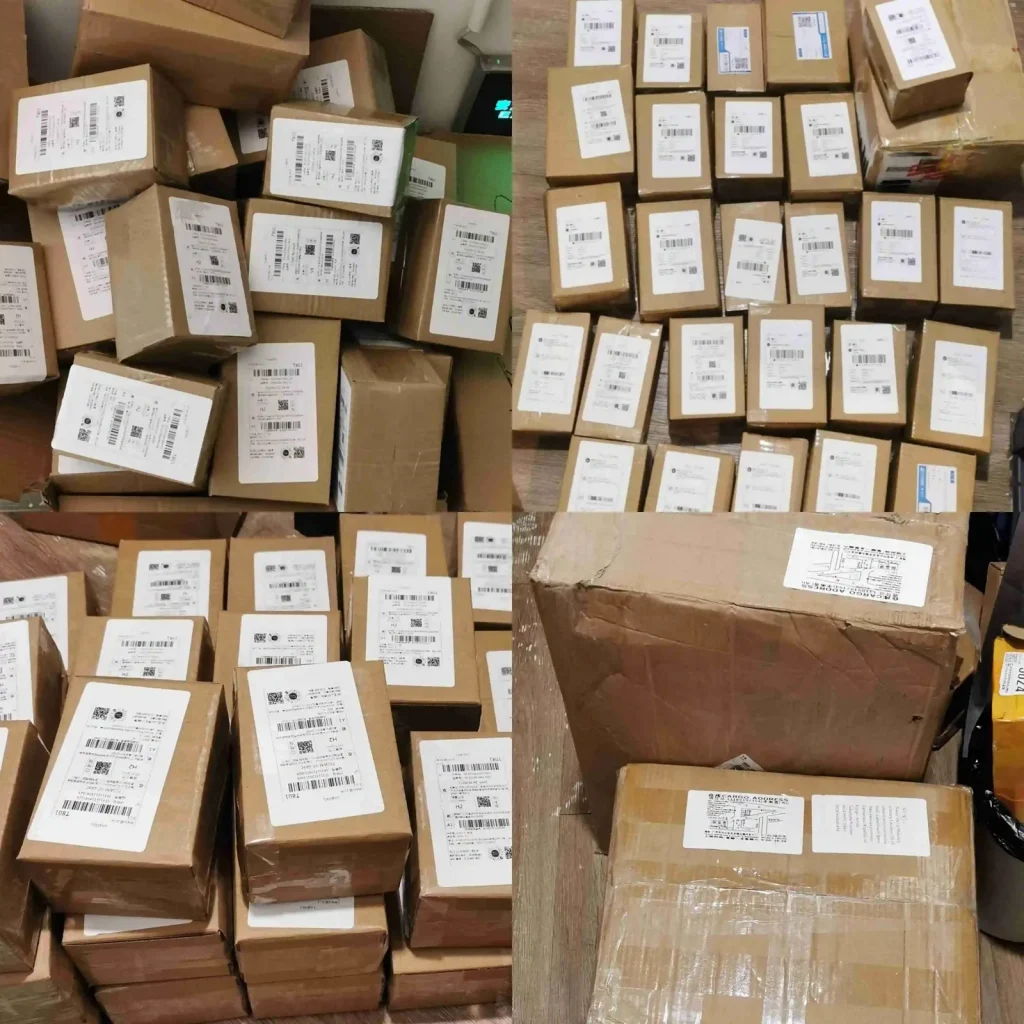
At checkout, some sellers offer shipping insurance for a dollar or two, and you have about three seconds to decide whether you want it. For a single electronics mystery box the honest answer is usually no, because most of the protection you need is already there and the carrier's insurance is not yours to claim anyway. Here is what covers a lost or crushed box, who files the claim, and the few cases where paying for cover makes sense.
Who the Carrier's Insurance Actually Protects
Start with the fact that changes everything. When a seller books a shipment, the contract of carriage is between the seller and the carrier. If the parcel is lost or damaged, the carrier's insurance pays the shipper, which is the seller, and the seller is the one who files. You, the recipient, can usually only prompt the claim; you cannot make it. So when a checkout box says "protect your package", what you are paying for is either the seller's own promise to replace the box if the carrier loses it, or a third-party policy that the seller has arranged, and in both cases you should read what it says before you tick it.
That is not a reason to distrust it. It is a reason to understand that the cover you are buying is a policy about how the seller behaves, and a seller with a good policy behaves that way whether you paid the dollar or not. The question is what the seller commits to when a box goes missing, and that is written on their shipping page, described in the pages a mystery box site should have.
What Already Covers You
- Carrier insurance pays the shipper, not you; a lost box is the seller's claim to file and the seller's promise to honour.
- Domestic US services often include cover: USPS Priority Mail and Ground Advantage include up to $100, and UPS and FedEx include $100 of declared value. International economy services usually include nothing.
- Buy extra cover only when one shipment is worth well over $100, such as a bulk order, or when the seller's lost-parcel policy is weak or missing.
Three layers of protection exist before you spend anything.
The carrier's included cover. For a box shipped inside the United States, USPS Priority Mail and USPS Ground Advantage both include insurance up to $100 against loss or damage. UPS and FedEx include $100 of declared value on most services. A single mystery box at $10 to $60 is inside all of those. International economy services, the kind that bring a box from China for a few dollars, generally include no cover at all, which is why the seller's own policy matters more on those routes.
The seller's policy. A seller who states that a box lost in transit will be reshipped or refunded has given you the protection that matters. A seller who states nothing has told you to expect an argument. Mewoo states its dispatch and transit windows and what happens when tracking stalls; you should expect the same from anyone.
Your payment method. A box that never arrives is non-delivery, and the federal rule on that is clear: the seller owes you a full refund. If they refuse, a card dispute inside the card's window gets it back. Which methods carry that protection is in which payment methods actually protect you.
Lost, Damaged, or Stolen: Three Different Problems
| What happened | Who is responsible | What covers it | What you do |
|---|---|---|---|
| Tracking stopped; box never arrived | Seller, until delivery | Seller policy; carrier claim filed by seller; card dispute | Report after the transit window; ask for reship or refund |
| Arrived crushed, items broken | Seller, via carrier claim | Included carrier cover; seller policy | Photograph before unpacking further; report inside the window |
| Marked delivered, not received | Disputed | Seller policy if any; carrier trace; card dispute is weaker | Check neighbours and the carrier's GPS scan; report within days |
| Stolen from the doorstep after delivery | Usually you | Paid "package protection" if bought; home insurance rarely | Police report; ask the seller for goodwill |
| Held at customs, then returned | Depends on cause | Seller policy for their error; you for unpaid duties | Pay the duty or accept the return per the seller's terms |
Read the third row twice, because it is where paid cover earns its keep. A parcel that the carrier says was delivered and that you never saw sits in a gap: the carrier considers the job done, the seller has proof of delivery, and a card dispute is hard to win against a delivery scan. Paid package protection, where it exists, is usually the only policy that pays out in that case, and it is the reason the checkbox exists at all.
Note: Damage claims need the packaging. If a box arrives crushed, photograph it before you cut the tape, keep the outer carton and the padding, and report inside the seller's window. A carrier claim for damage can require the packaging to be inspected, and a claim without it is a claim the seller cannot file. The first-hour routine for a crushed carton is in your mystery box arrived damaged: what to do in the first hour.

When Paying for Cover Makes Sense
- The shipment is worth well over $100. A bulk order of twenty boxes in one carton is several hundred dollars in one parcel, above any included cover. Ask the seller to insure the carton for its value, or buy the cover offered. This is the clearest case.
- The seller's lost-parcel policy is missing or weak. If the shipping page says nothing about what happens when tracking stalls, paid cover is a substitute for the promise they should have made. It is also a signal that you might prefer another seller.
- Your delivery point is exposed. A shared lobby, a doorstep on a busy street, a building with a history of missing parcels. Package protection against theft after delivery is the one thing nothing else covers.
- The route includes no cover. An international economy service with no included insurance, to an address where the seller's policy is your only protection.
Outside those four, a dollar of cover on a fifteen-dollar box is paying twice for something you already have.
How to Trigger a Claim You Cannot File
Because the carrier claim is the seller's, your job is to give them what they need and to do it early. For a lost box, that means writing after the seller's stated transit window has passed, with the tracking number and the date of the last scan, and asking plainly for a reship or a refund. For a damaged box, it means the photographs and the packaging. Carriers have claim deadlines that run from the mailing date, and a seller who receives your report in week eight may find the deadline has already passed. How to read a stalled tracking page, and when "stalled" becomes "lost", is in how to read the tracking on a box shipped from China.
What This Means When You Order
You should choose the seller for their lost-and-damaged policy rather than for a checkbox at checkout. Read what they promise when tracking stops, whether they reship or refund, and how many days you have to report damage. Pay with a method that carries a dispute right. Then buy cover only when the parcel is worth more than the included amount, the policy is missing, or your doorstep is the risk. For an ordinary single box from a seller who states their terms, the dollar stays in your pocket and the protection is already there.
FAQ
Should I buy shipping insurance on a mystery box?
Usually not for a single box. A seller who publishes a lost-parcel policy has already taken on the risk, your card gives you a dispute right, and domestic postage bundles a hundred dollars of cover. Reach for the checkbox in three situations only: the parcel is worth more than that bundled amount, the seller's shipping page never mentions lost boxes, or your address has a record of parcels walking off the step.
Who files the claim if my box is lost in the post?
The seller. The carrier's contract is with whoever paid for the label, so the claim form, the proof of value and the payout all sit on their side. Your part is to report promptly with the tracking number and the last scan date, then ask for a reship or a refund without waiting for the carrier's investigation. Carrier deadlines run from the posting date, so a late report can cost the seller the claim.
Does USPS insure my package automatically?
On its main domestic services, yes: a hundred dollars of loss-and-damage cover comes bundled with Priority Mail and Ground Advantage, and the big private carriers bundle a similar declared value. The catch is the route. Budget international economy mail, which is how most boxes travel from China, arrives with no bundled cover whatsoever. And whatever cover exists belongs to whoever bought the postage, which is the seller.
My box says delivered but I never got it. Am I covered?
Weakly, unless you paid for protection. The scan is treated as proof by the carrier, by the seller and, in most disputes, by your card issuer. Act fast: knock on neighbours' doors, ask the building office, and request the scan's GPS coordinates from the carrier, then tell the seller within forty-eight hours. Where a package-protection add-on was bought, this scanned-then-missing scenario is precisely what it exists to pay for.
What about a bulk order of twenty boxes?
Insure it. One carton holding several hundred dollars of goods is above every carrier's included cover, and a single loss wipes out the order. Ask the seller to declare the full value with the carrier, or take the cover offered at checkout, and keep the invoice that shows the value. This is the one purchase where a few dollars of protection is plainly worth it.
Does my home insurance cover a stolen parcel?
Rarely in practice. Some policies do include theft from outside the home, but the deductible is almost always larger than a mystery box, so a claim is not worth making and may affect your premium. Treat doorstep theft as uncovered unless you bought package protection, file a police report for the record, and ask the seller whether they will help as goodwill. Then arrange a safer delivery point for next time.
Final Thoughts
The carrier insures the seller, not you, so the cover that matters is the seller's promise to reship or refund and your card's right to dispute. Domestic services already include a hundred dollars; international economy ones include nothing. Pay for extra cover when the parcel is worth more than that, when the seller's policy is missing, or when your doorstep is the risk. For a single box from a seller who states their terms, you are already covered.
If you want a seller whose dispatch window, transit window and lost-parcel policy are stated before you pay, start with the Triple Reveal Electronics Mystery Box (3 items) or the Party Electronics Mystery Box (6 items); for a carton of many boxes, insure it and start from the bulk mystery box page. Compare every tier side by side on the electronics mystery box category page.
See how boxes are packed and shipped →