A Mystery Box for Someone in Hospital or a Care Home: What Works
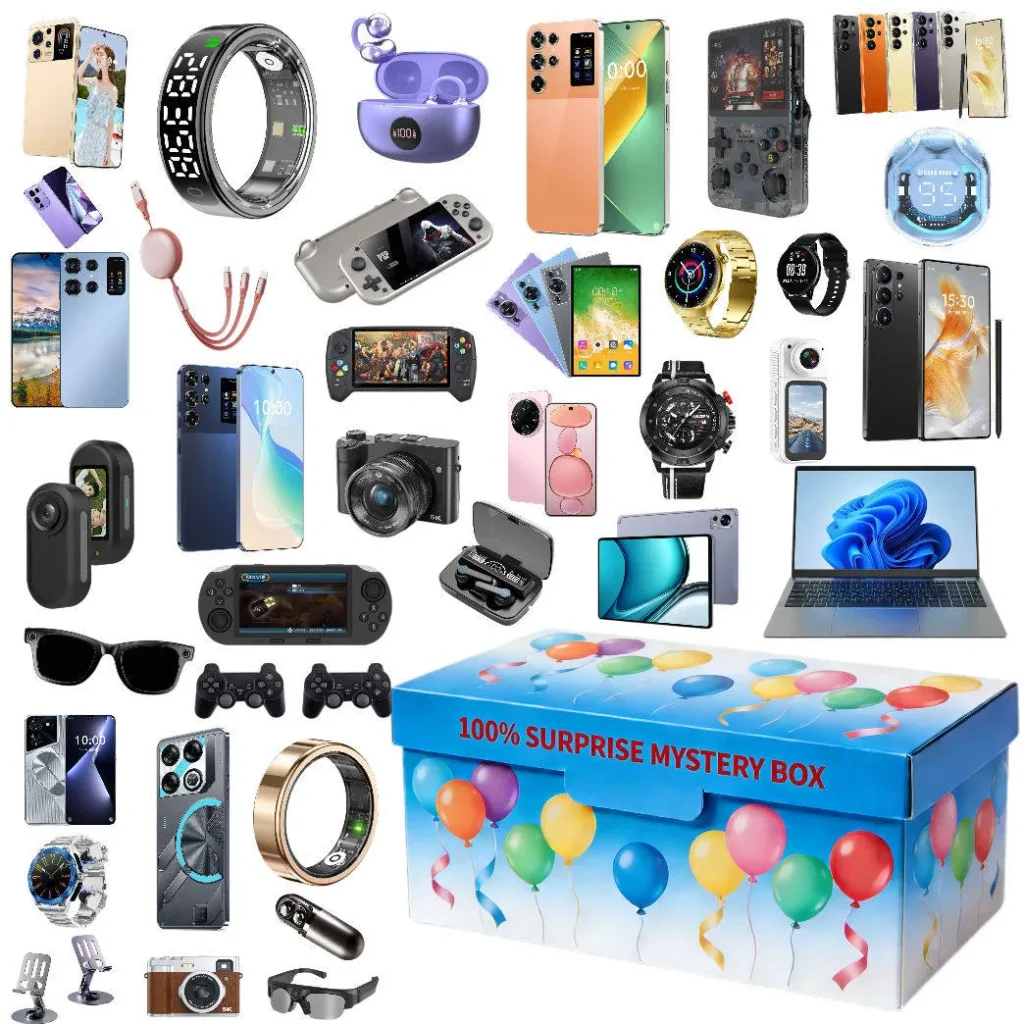
A mystery box for someone in hospital or a care home is a kind idea with a practical problem: the place has rules, the person may have limits you do not know about, and a carton of unbranded gadgets is the kind of gift a ward can refuse at the door. It can still be the right present for you to bring. Here is what you ask the facility first, which items work there, and what to leave out.
Ask the Facility Before You Order
Hospitals and care homes restrict what you bring in, and the restrictions are not the same from one to the next. Most ask you to check before bringing electronics, anything that heats, plants or strong scents; many ban extension leads as a trip risk; some intensive-care units allow almost nothing at the bedside; and a care home will often want every item labelled with the resident's name so it does not walk. Your phone call to the ward or the home's front desk answers all of it in two minutes, and it also tells you whether there is Wi-Fi at all, whether it costs money, and whether a phone can be charged at the bedside.
The person matters as much as the place, and you know them better than the seller does. Someone recovering from surgery may not want to learn a gadget; someone with low vision wants big buttons and a big screen; someone with hearing loss wants a speaker, not earbuds; someone with memory problems wants nothing with an app. The questions you ask about an older recipient in general are in mystery boxes for parents and grandparents: what to set up first, and a hospital bed sharpens every one of them.
What Works From a Bed
- Call the ward or home before you order: electronics, heated items, extension leads and scents are commonly restricted, and every item should carry the person's name.
- Choose things for your recipient that work without Wi-Fi, without an account and without a quiet room: headphones for a shared ward, a lamp, a small fan, a photo frame loaded from a stick, a charging cable that reaches the bed.
- Open and test the box yourself before you bring it, set up anything that needs setting up, and hand over a working gadget rather than a carton to be decoded from a bed.
| Item | Ward or shared room | Care home room | Notes |
|---|---|---|---|
| Wireless headphones or earbuds | Yes, the best item | Yes | TV and calls without disturbing a neighbour; over-ear suits most older users |
| Small clip lamp or reading light | Yes, if battery powered | Yes | Warm colour; no mains lead across a floor |
| Handheld or clip fan | Ask; often yes | Yes | Battery, not mains; away from oxygen equipment |
| Digital photo frame, loaded from a stick | Ask about a mains socket | Yes | Fill it before you bring it; no Wi-Fi needed |
| Long charging cable and a small charger | Yes, with a safety mark | Yes | The single most useful thing beside a hospital bed |
| Bluetooth speaker | No, in a shared room | Yes, quietly | Headphones on a ward, speaker in a private room |
| Anything needing Wi-Fi or an app | No | Only if the home has Wi-Fi and someone to set it up | Smart plugs, bulbs, cameras and trackers stay home |
| Heated items, hand warmers, blankets | No | Ask | Commonly refused |
| Massage gun, fitness band, smart scale | No | Ask the staff | Medical questions belong to the clinicians |
Read the headphones row as the one that earns your gift: a shared ward is noisy, television is a lifeline, and a pair of over-ear headphones from a box turns the bedside screen into something private; what to test on them before you hand them over is in over-ear headphones from a mystery box: the ten-minute test. Read the last two rows as the ones you take out of the carton before it goes in. A heated gadget is refused by most wards, and anything that measures a body is a conversation for the clinicians, not a present.
Note: Do not bring a sealed box to a hospital. Open it at home, take out anything on the refused list, charge and test what remains, pair the headphones to the person's phone or tablet if they have one, load the frame, label everything with a name, and repack the survivors in the carton with the tape resealed or a ribbon over it. Your surprise survives; the hour of fiddling with a manual from a bed does not happen. The general case for opening a box before gifting is in bought early, giving later: storing a sealed mystery box for months.
Small Things That Matter There
- Volume. Set headphones to a moderate level before you hand them over, and show the person the button; a ward is where your recipient turns it up to drown the noise and keeps it there.
- Charging. Hospital sockets are few and far from the bed; a two-metre cable and a small charger with a safety mark is the practical gift, and the marks to look for are in UL, ETL and the charger in your mystery box.
- Names. Put your label on every item, including the case and the cable; things move between beds and drawers.
- Simplicity. One button is better than three; a gadget that needs a manual stays in your recipient's drawer.
- Batteries out of reach. A care home with residents who have memory problems is a place where you avoid coin cells and loose batteries entirely.
Sending It Rather Than Bringing It
A box you post straight to a hospital rarely reaches the bed intact: mailrooms hold parcels, wards move people, and nobody at the desk will open and test electronics. Post it to yourself or to a relative who visits, do the opening and setup described above, and carry in the result. If the person is in a care home for the long term, a parcel to the home with the resident's full name and room can work once the staff know it is coming, and the address rules for a residence with a front desk are the same as in delivering a mystery box to a PO box, a locker or an apartment. Either way, the seller's faults window runs from delivery, so your testing happens at once, wherever it lands.
What This Means When You Order
You should expect a mystery box for someone in hospital or a care home to need a phone call to the facility, an opening and a sort at home, and a smaller carton of tested, labelled, charged items to go in: headphones, a lamp, a fan, a frame loaded from a stick, a long cable. Leave out anything heated, anything needing Wi-Fi or an app, and anything that measures a body. Mewoo states the count and categories on each tier and reads the order notes you leave at checkout; tell any seller the box is for a hospital, and they can leave out what a ward will refuse.
FAQ
Are electronics allowed in a hospital or a care home?
Usually some are, and the facility decides which for you: phones, tablets, headphones and battery lights are commonly fine, heated items and extension leads are commonly refused, and intensive care allows very little. Call the ward or the home's desk before you buy, ask about Wi-Fi and charging at the bedside, and ask whether items should be labelled. A carton of unknown gadgets is the kind of gift a nurse can turn away, so the call is not optional.
What is the best mystery box item for someone in a shared ward?
Headphones. Your recipient's shared ward is loud and television is company, and a pair of over-ear headphones paired to the bedside screen or the person's phone makes the day private. Charge them, pair them and set the volume to a moderate level before you hand them over, and label the case. After that, a long charging cable with a small charger, a battery reading light and a handheld fan are the items people actually use from a bed.
Should I give the box sealed for the surprise?
No. Open it at home, remove anything the facility refuses, charge and test the rest, set up whatever needs pairing or loading, label each item with the person's name, and put the survivors back in the carton with a ribbon over it. The recipient still opens a box of surprises; what they skip is an hour with a manual from a bed, or a hand warmer the nurse takes away. You would be testing on arrival anyway.
Can I post a mystery box directly to a hospital?
You can, but it rarely reaches the bed in good shape: mailrooms hold parcels, patients move wards or go home, and nobody opens and tests electronics for a patient. Have it delivered to your own address, prepare it, and carry the result in. A long-term care home is different: a parcel with the resident's full name and room can go to the desk once the staff expect it, and the faults window still starts on delivery.
What if the person has hearing or sight problems?
Pick for the limit you know about. For hearing loss, a speaker in a private room or headphones with plenty of volume in a shared one, set and shown before you leave. For low vision, a lamp with a warm colour, a large-screen frame filled with family, and no gadget whose only control is a tiny light. For memory problems, one-button items only, nothing with an app or an account, and no loose batteries. Ask the staff which applies.
Is there anything in a typical box that should never go into a care setting?
Heated items of any kind, which most facilities refuse at your recipient's door; a massage gun or anything that measures the body, which is for the clinicians to decide; smart plugs, bulbs, cameras and trackers, which need Wi-Fi and an account and raise privacy questions in a shared building; coin cells and loose batteries where residents have memory problems; and strong-scented diffusers. Take those out at home and keep them, and what remains is a smaller, better gift.
Final Thoughts
Your mystery box for someone in hospital or a care home works when you do the sorting the facility would otherwise do at the door: a call to the ward, an opening at home, the heated and connected and body-measuring items taken out, and the headphones, lamp, fan, frame and long cable charged, tested, labelled and resealed. Hand over working things with the surprise intact, and the box gives someone a good ten minutes and a few useful weeks.
If you want a small box to sort and bring in, with the count and categories stated and every device powered on before dispatch, start with the Triple Reveal Electronics Mystery Box (3 items) or the Surprise Gift Box (3 items), and say in the order notes where it is going. Compare every tier side by side on the electronics mystery box category page.
See how to present a mystery box as a gift →