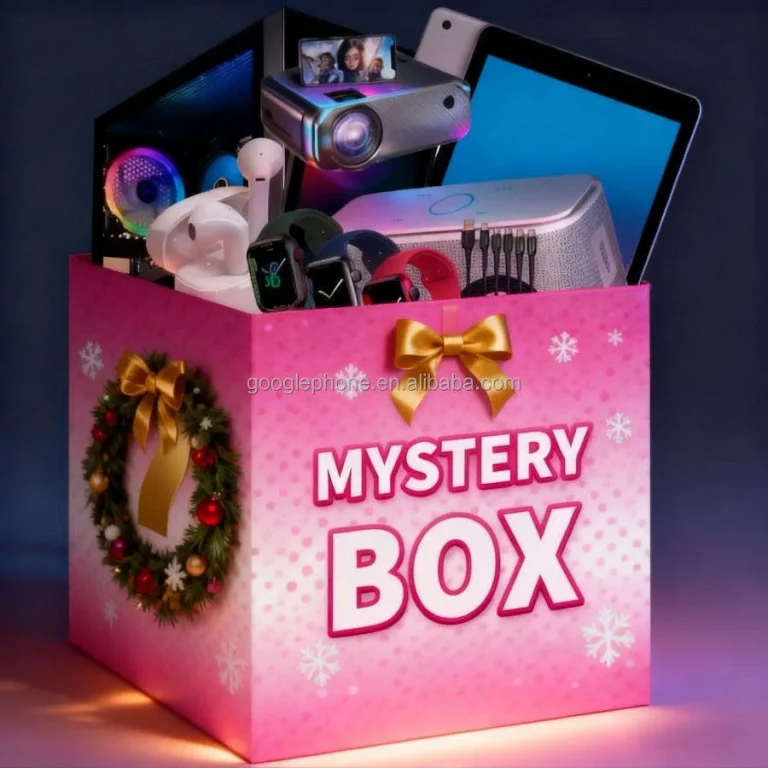
Are Mystery Boxes Wasteful? Packaging Is the Small Part
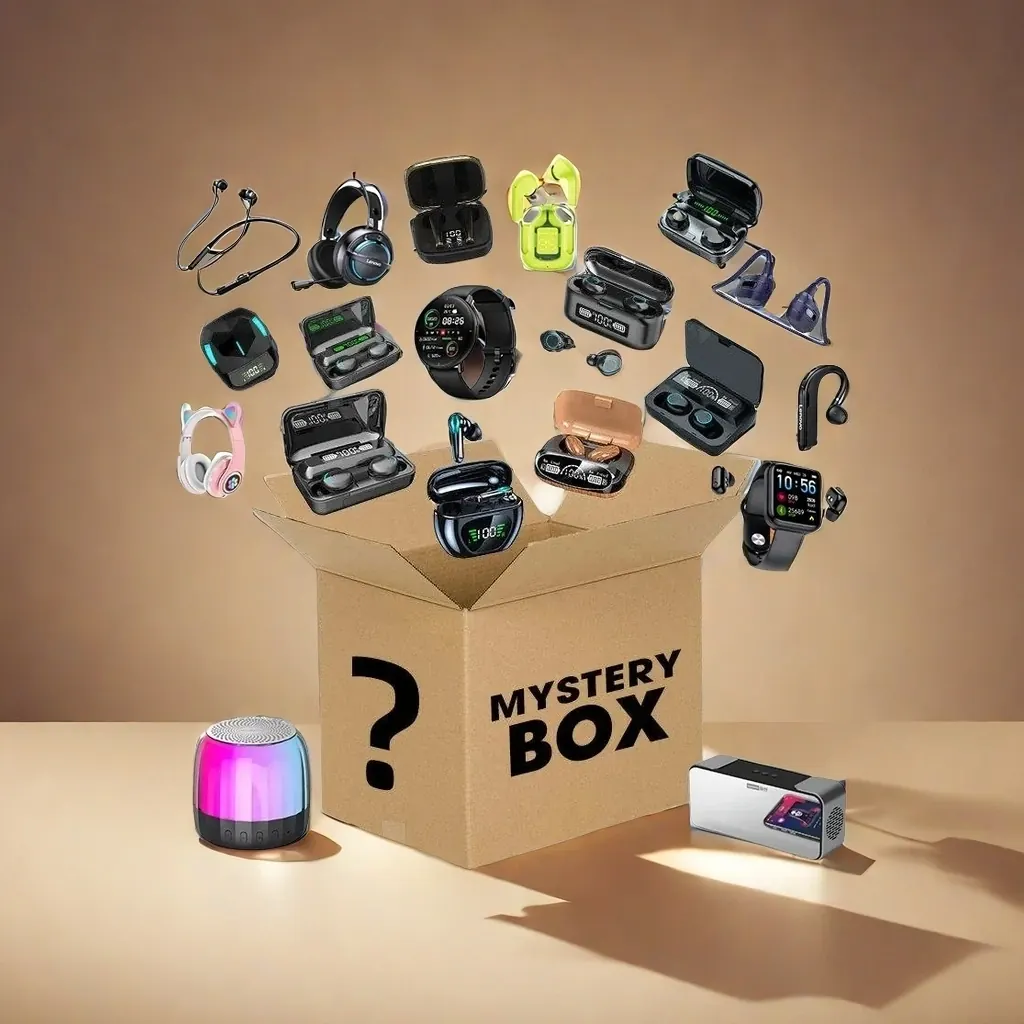
Criticism of mystery boxes usually lands on packaging: the wrap, the foil, the box inside a box. That is a fair complaint and a small one. The larger cost is a working item that nobody ever uses, and that is the part you control. This guide looks at both sides honestly, including the case that the format prevents waste, and then shows you the three choices that reduce it: category, size, and deciding the exit first.
The Short Answer
Yes and no, and the split is not where most people put it. A mystery box creates waste when the contents do not fit you, because unused working goods are the expensive outcome. It reduces waste when it moves stock that would otherwise sit unsold. Which side your purchase lands on is decided mostly by fit, not by materials.
The Case That They Create Waste
- Packaging is the visible waste and the smaller one. A working device you never use is the larger one.
- The format also clears stock that would otherwise be discounted, stored, or destroyed, so it is not inherently wasteful.
- Your three levers: buy a category you will use, take the smallest tier that works, and decide the exit before the parcel arrives.
- Electronics need extra care at the end: batteries, data, recalls, and proper recycling.
Three real costs, in ascending order of importance to you.
Packaging. Surprise formats use more of it, because concealment is part of the product. Sealed outers, inner wraps, and filler are common, and much of it is opened and discarded within a minute. An academic writing about the collectible boom raised exactly this, noting that some collectibles use plastics that are hard to recycle.
Storage. Buyers mention this before they mention landfill. If a box gives you items you neither use nor discard, they occupy your space and attention for months. People describe wondering where nine variants of anything are supposed to live.
Mismatch. This is the big one. Items arrive in working order and go into your drawer because they do not suit you. One buyer's detailed account of a twenty-item box ended with most of it going to a charity shop, not because anything was broken, but because almost none of it was for them.
The Case That They Prevent Waste
This side is rarely made, and it is not marketing spin. It comes from what sellers say the format is for. Writing in Forbes, an ecommerce specialist described mystery boxes as a way to include products that have been selling slowly. A consultant advising brands called a mystery box programme a way to clear deadstock. Small sellers say the same thing in plainer language.
Stock that does not sell does not evaporate. It gets discounted, stored, written off, or disposed of. A format that finds a buyer for slow-moving goods is doing something genuinely useful, and the same is true of the wider surplus market, where returns and overstock get sold on rather than destroyed. So the format is not inherently wasteful. It is a redistribution mechanism, and redistribution only works if the goods end up with someone who wants them. That someone is you, which is why your choice of box matters more than the wrapping.
Why Mismatch Matters More Than Packaging
Here is the judgement worth taking away. The environmental cost of a cardboard box and a plastic wrap is real but small. The cost of a functioning electronic device that is never used is much larger, because everything that went into making it is spent regardless of whether anyone switches it on.
That reframes the whole question for you. "Is the packaging recyclable?" is a reasonable thing to ask, and it addresses the smaller half of the problem. The bigger half is answered by whether the contents will actually be used, which is a question about category fit, item count, and honesty in the listing. So the most environmentally useful thing you can do is unglamorous: buy from a seller who states clearly what categories are possible, and only buy when ordinary contents from that range would be genuinely welcome in your home. Mewoo describes how it groups what goes into a box in sorting and category classification.

Choose the Size That Fits, Not the Best Price Per Item
Larger tiers usually offer a lower cost per item. That is exactly why they produce more unused goods. If your realistic use rate for a category is around half, a twelve-item box does not give you twelve useful items at a discount. It gives you roughly six useful items and six that need a destination. The cost per item looked better on the product page and worse in your drawer.
The same logic applies to repeat purchases. Accumulation is a function of how often you buy, not of any single order, which is one of the practical differences covered in subscription box vs one-time mystery box. Picking a tier deliberately rather than by unit price is the single cheapest change available to you, and the guidance on choosing a gift size applies just as well when you are buying for yourself.
Decide the Exit Before You Buy
Collectible buyers have an advantage you do not: an active trading culture that absorbs duplicates. Everyday goods have no equivalent. There is no community waiting to trade a spare cable. So the question of what happens to items you cannot use has to be answered by you, ideally before the order rather than six months afterwards.
| Exit | When it is the right one for you | What to do first |
|---|---|---|
| Gift it | You know someone who would actually use it | Test it so you are not passing on a fault |
| Sell it | It is complete, identifiable, and worth the listing effort | Wipe any data; describe condition honestly |
| Donate it | A charity shop or community project accepts working electronics | Check their policy; wipe any data |
| Recycle it | It is genuinely at end of life | Use a proper e-waste route, never general waste |
| Keep it deliberately | You have a use in mind and a place for it | Give it a shelf, not a drawer |
One habit from experienced buyers is worth borrowing: they predict the exit at the moment of purchase. Several describe knowing, while ordering, that an item would probably be given away within a year. Noticing that in advance usually changes your order.
Electronics Have Their Own Rules
Disposal is not freeform for this category, and the rules apply to you whichever exit you choose. Batteries: devices with lithium cells have specific handling and carrier requirements, and damaged cells must be kept separate. Do not put them in ordinary recycling or general waste. Data: anything that stores information should be wiped before it leaves your hands, whether sold, gifted, or recycled. End of life: non-repairable electronics go to a proper recycler, not a bin. Recalled items: do not dispose of something you believe is subject to a recall before reading the official notice at cpsc.gov/recalls, because remedies are frequently free to whoever currently holds the product, and destroying it first can forfeit that.
Note: It is fair to ask what the seller side looks like when it is done well, since you cannot control everything. Stating category ranges and exclusions so you can self-select out. Protective but proportionate packing, because under-packing creates damaged goods, which is the worst waste of all. Honest condition descriptions, because overstated condition produces returns. And not overselling size, so you are not pushed to a tier you do not need. Mewoo shows how its cartons are put together in manual outer carton packing and what the materials look like in packaging styles shown in our photos.
Note the tension in the packing point. Surprise formats need concealment and shipments need protection, so packaging cannot go to zero without creating breakage. The reasonable target you should expect is proportionate rather than minimal. Industry-wide, packaging suppliers report growing demand for recyclable and lower-impact materials in this category, so buyer pressure, including yours, appears to be having an effect.
FAQ
Is mystery box packaging recyclable?
The plain cardboard almost always is. The trouble is the rest: foil-lined pouches, wraps made of two materials bonded together, and thin film often go in the general bin, and the rules change from one town to the next. Pull the cardboard out, look up your own council's list for the rest, and give more credit to a seller who names their materials than to one who simply calls the box eco-friendly.
What should I do with working electronics I will not use?
Find them a person before you find them a bin. A gadget that someone else switches on every day is the best result you can get, so ask around first. Anything complete and identifiable can be sold; charity shops and community projects often take working electronics, though each has its own rules. Whatever route you pick, erase any stored data before the item leaves your house.
Am I more likely to get duplicates in a bigger box?
Inside one order, that depends on how the seller packs; some deliberately spread product types across a box. Across several orders, yes, because the seller draws from the same finite list every time. If a repeat would annoy you, order fewer items and choose them more carefully, and ask the seller how they handle repeats before you place a second order with them.
Is buying second-hand better than buying a mystery box?
If you already know the exact thing you want, yes, buy that thing and nothing else. A mystery box earns its place only when you want to discover items you would not have searched for. Think of them as answers to two different questions: one for "I need this", the other for "surprise me". Using a box to answer the first question is how you end up with leftovers.
Can I ask a seller to reduce the packaging?
You can, but expect a no, and a reasonable one. The wrapping hides the contents, which is the product, and it protects them in transit; a cracked speaker wastes far more than a sheet of paper does. Ask instead what the packaging is made of and whether your council will recycle it. That is a question the seller can act on without sending you broken goods.
What if something turns out to be recalled?
Stop before you bin it, sell it, or post it anywhere, and read the official recall notice first. Selling a recalled product is unlawful in the US even for a private individual. More usefully for you, most recalls offer a free repair, replacement, or refund to whoever holds the item now, so the notice tells you what you are owed as well as what to do.
Final Thoughts
Mystery boxes sit on both sides of the waste question. They move goods that might otherwise go unsold, and they produce items that never get used. Packaging is the visible part and the smaller part. If you want to buy one without adding to a drawer, the effective steps are yours to take: choose a category you can genuinely use, take the smallest tier that still works, and decide the exit before the parcel arrives.
If you want the least waste, start with the smallest tier you will actually use up and only move up once the category proves itself: Discovery Electronics Mystery Box (1 item), Triple Reveal Electronics Mystery Box (3 items) and Ultimate Electronics Mystery Box (12 items). Compare every tier side by side on the electronics mystery box category page.
Shop Mystery Boxes →