Blind Box vs Mystery Box: What Each One Promises You
Blind box and mystery box are used as if they mean the same thing. They do not. One sells you a single item from a published series, where the number that matters is the odds. The other sells you several items for a set price, where the numbers that matter are item count, condition, and category. Buying well starts with knowing which format is in front of you, because each asks you a different question.
The Short Answer
A blind box is one sealed item drawn from a named series. The seller shows you the full lineup, and the uncertainty is about which figure you get. A mystery box is a bundle of several items sold at a set price. There is normally no lineup to complete, and the uncertainty is about what mix arrives. The difference is not how much surprise you get. It is what the seller is promising you in exchange for that surprise.
What Each Format Promises You
- A blind box promises one item from a published set, with odds. Ask about the odds.
- A mystery box promises a quantity of goods inside stated terms. Ask about the count, condition, and category.
- A blind box can leave you chasing a better draw; a mystery box can leave you with fine items you cannot use.
- If you catch yourself trying to work out what is inside, you want a specific product. Go and buy that instead.
A blind box promises membership in a set
The packaging is uniform, so nothing on the outside tells you what is inside. Inside is one item from a series the seller has published. Many series print a checklist and rarity ratios for the regular figures and the hidden "chase" design, and that chase item is why the format works: it is rarer than everything else. Because the promise is built on scarcity, sellers protect the seal with foil wraps, doubled cardboard, and even added weights so you cannot guess by feel. A blind bag is the same idea in a cheaper wrapper: soft packaging, smaller items, lower price. It is a size difference, not a third category.
A mystery box promises a quantity of goods for a price
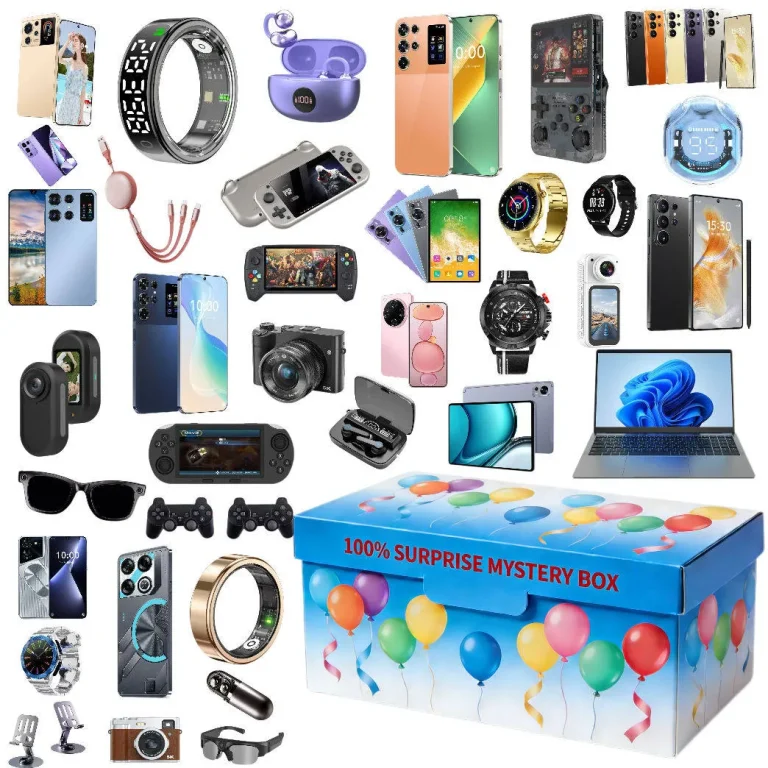
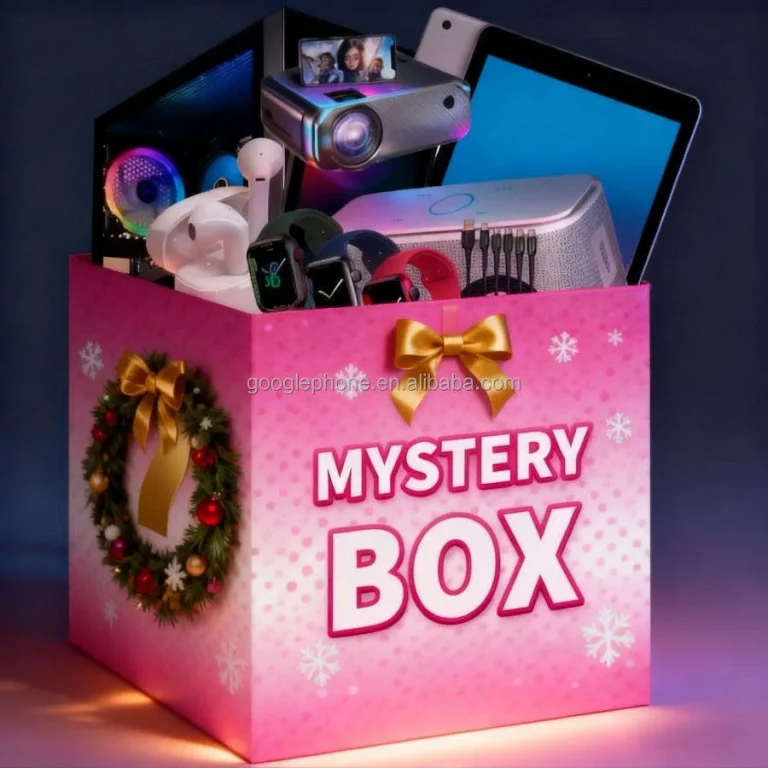
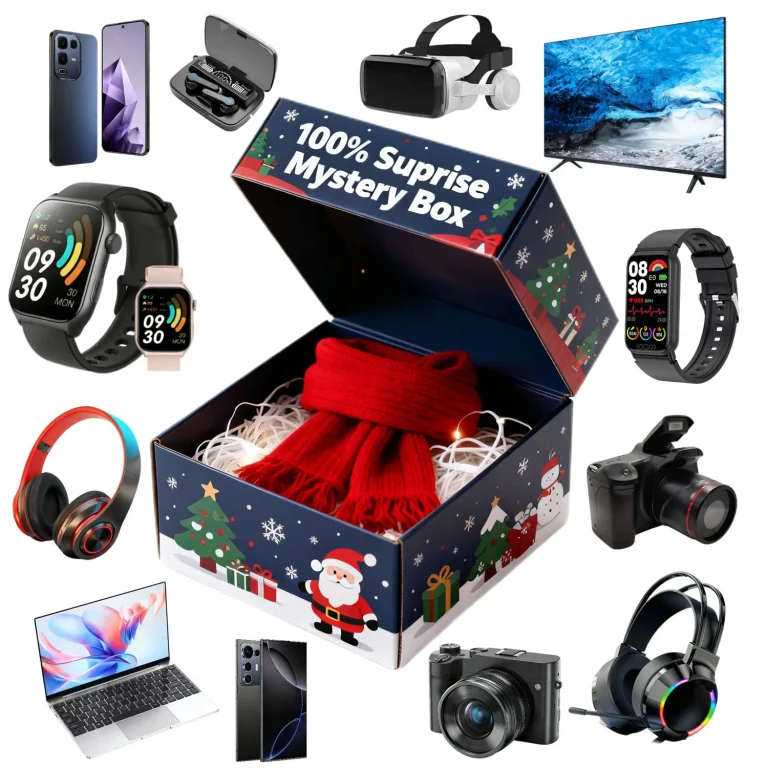
You get several items rather than one, and there is usually no series, no checklist, and no rarity tier. Instead the seller defines the box through a small set of fixed terms: how many items, which broad categories, what condition, and what happens if something arrives damaged. This format has an older ancestor in the Japanese lucky bag, sold by price tier for decades, and the recent direction is telling: many now preview contents, guarantee that certain items appear, or publish the full list. That is the honest shape of a good mystery box. Not a bigger jackpot, but a larger share of your purchase written down before you pay. Mewoo sits on this side of the line; its page on what you can expect inside a box states the condition, category examples, and exclusions while the exact products stay unknown.
| Blind box | Mystery box | |
|---|---|---|
| What you get | One item from a published series | Several items for a set price |
| What is disclosed | The lineup and, often, the odds | Item count, condition, category, exclusions |
| The number that matters to you | Probability of each design | How many items, in what condition |
| How it disappoints you | You missed the rare one | The items are fine and you cannot use them |
| Duplicates | Tradeable within the collector community | A spare with little resale value |
| Right question | "Would I be happy with any standard design?" | "Would the ordinary mix be useful to me?" |
Two Kinds of Transparency
Both formats have been getting more transparent, and they are moving in opposite directions. Blind boxes are becoming transparent about odds. The US Federal Trade Commission's loot box workshop noted criticism of paid randomised items that do not disclose the chance of rewards of differing value, and industry responses have pushed toward stating odds at the point of purchase. Singapore said in February 2026 that it would regulate the conditions under which blind boxes may be offered, with standardised odds disclosure among the points under consideration.
Mystery boxes are becoming transparent about terms. There is no meaningful probability to publish when every buyer at a given tier receives the same number of comparable items. The useful disclosures for you are different: item count, category range, condition, whether separate editions overlap, and how faults are handled. Ask a mystery box seller for odds and you will get a shrug. Accept a blind box without a lineup and you have no idea what you bought.
They Disappoint You in Different Ways
This is the part most comparisons skip. A rarity-based product can leave you feeling you missed. Researchers describe the blind box pattern as anticipation, randomness, occasional joy, and frequent disappointment, driven by the same variable reward schedule found in slot machines. Because a better outcome existed and you did not get it, your natural next move is to buy again, and buyers describe exactly that loop and the sunk cost that comes with it.
A quantity-based box cannot produce that feeling, because there is no better outcome for you to miss. Everyone at the same tier receives a comparable set. What it can produce is a different disappointment: the items are fine, and you have no use for them. So the risk changes shape rather than disappearing. One format risks a chase. The other risks a mismatch. A multi-item box is not the more responsible purchase by default; it simply asks you to judge category fit instead of luck.
Note: There is a useful self-check here. Buyers of blind boxes routinely try to defeat the packaging by feeling for shapes, shaking for sound, or guessing the packing order, and many eventually give up and buy a confirmed single instead. If you catch yourself doing that, you do not want a surprise. You want a specific product, and you should go and buy that product directly.
Questions That Match the Format
Use one list or the other, not a blend. If it is a blind box, ask: what is the series and how many designs are in it; are the odds printed, and does the secret replace a regular figure; would you be happy with any standard design; what will you do with duplicates; and can you buy the one design you want as a confirmed single instead?
If it is a mystery box, ask: how many items are guaranteed; what condition the goods are in and who states that in writing; which categories are possible and which are excluded; whether the total cost including shipping is visible before payment; and what the written process is when an item arrives damaged. A phrase like "chance at premium tech" answers none of these. A line like "three new items from the listed categories" answers several. For a longer walk through the second list, see how to choose a mystery box.
When One Listing Uses Both Words
Product titles are not reliable. Read the description and let the structure decide. If a listing is called a mystery box but describes a named series, a character count, and published ratios, you are buying a blind box; shop it that way and expect duplicates. If a listing is called a blind box but never names a lineup and simply says "random items from our warehouse", you are buying an opaque bundle; price it accordingly. The label tells you how the seller wants to be seen. The structure tells you what you are actually paying for.
Price Changes How Much Uncertainty Is Fair
Cheap surprises can stay fully mysterious. A small sealed item bought on impulse does not need a specification sheet. Your tolerance should narrow fast as the price rises, and buyers discussing higher-priced bundles say the same thing repeatedly: without a stated theme, count, or category, they will not pay. The rule for you is simple. The more you are asked to pay, the more of the purchase should be written down before you pay it. Fixed item counts are one of the simplest ways to do that, which is why Mewoo publishes tier sizes on its Shop page rather than describing possible prizes.
Which One Fits You
Choose a blind box when you like the series itself, would accept any standard design, have a plan for duplicates, and can treat the rare version as a bonus rather than the goal. Choose a mystery box when you want variety rather than a set, can use or gift a broad category, and would be satisfied by an ordinary mix at the stated count. Choose neither when you need one exact product. Random formats solve a discovery problem for you. They do not solve a specification problem, and no amount of buying converts one into the other.
FAQ
Is a blind bag the same as a blind box?
Yes, in every way that matters to you. Both hide one item from a known series and both run on rarity tiers. The bag is the budget version, with soft wrapping around a smaller and cheaper piece. You should judge a blind bag with exactly the questions you would use for a blind box, starting with whether you would be happy to receive any of the standard designs.
Can you tell what is inside a sealed box before opening it?
Not reliably, and the sellers work hard to keep it that way with foil, extra cardboard, vacuum sealing, and uniform weights. People still squeeze, shake, and compare, with mixed results at best. If you find you care enough to try, take that as a signal: the surprise is not what you want. A confirmed single from a reseller will cost a little more and save you the guessing.
Do mystery boxes have secret or rare items like blind boxes do?
Almost never, because there is no series for a rare version to belong to. When a multi-item box advertises a "chance" at something premium, you are looking at marketing, not a rarity tier. Unless the seller states an actual probability, that chance has no denominator and you cannot use it to value the box. Judge the box on the ordinary contents it promises, not on the prize it hints at.
Are blind boxes and mystery boxes gambling?
Legally, usually not, because you always receive a product. Gambling law generally needs payment, chance, and a prize together, and where randomised products fall is still debated. Several countries have regulated the format anyway, including China from 2023 and Singapore's announced framework. Rules differ by country, so if it matters to you, check your own jurisdiction rather than relying on a general answer.
Can I return one if I do not like what I received?
Not for preference; the surprise is the product, and "I wanted a different one" sits outside almost every seller's returns process. What you can return or claim for is damage, a fault, or a missing item, which are handled separately. Mewoo reviews eligible damaged or non-working items under its returns, damage and after-sales process, and may send an equivalent item when the original random product is unavailable.
Which format works better as a gift?
Choose the blind box if you already know the person collects that exact series and would enjoy adding to it. Choose the multi-item box when you know less about them, because variety gives more chances for something to land and there is no half-finished set left behind. Either way, check the delivery timing first and make sure the recipient actually likes surprises rather than choosing for themselves.
Final Thoughts
The two formats are not competing versions of the same product. A blind box asks you to accept odds inside a published series. A mystery box asks you to accept an unknown mix inside stated terms. Decide which trade you actually want, then hold that seller to the matching disclosure. Mewoo explains its own fixed terms in How We Prepare Your Mystery Box, so you can check them before you order.
A Mewoo mystery box is the second format described here, and the smallest tiers are the easiest way to see the difference first-hand: Discovery Electronics Mystery Box (1 item) and Double Surprise Electronics Mystery Box (2 items). Compare every tier side by side on the electronics mystery box category page.
The blind box format is listed at several counts as well: Electronics Blind Box (2 items), Electronics Blind Box (6 items) and Electronics Blind Box (8 items).
Shop Mystery Boxes →