The gadget is not the problem; the first ten minutes of pairing and accounts are. Order a small tier to yourself, charge and pair everything, write a large-type card, and keep what does not suit them.
The 12V socket is fused at 10 to 15 amps, windscreen mounts are restricted in many states, and a hot cabin ruins lithium cells. What to check on the charger, mount, FM transmitter and dash cam.
Earbuds, a charger and cables get daily use in a dorm; smart plugs cannot join campus Wi-Fi and unlisted power strips break residence rules. What gets used, and how to address a campus mailroom.
Photograph the closed carton, open it slowly, keep all the packaging, and send one factual report the same day. What counts as transit damage, who files the claim, and which battery not to charge.
A box sent straight to someone else arrives with a customs form you cannot hide and an invoice you can. The five checkout settings that make it land as a gift, and why any fault claim stays with you.
Sales tax follows your delivery address and is collected only by sellers big enough to be required to; duty is a separate federal charge that changed in 2025. What decides whether tax is added.
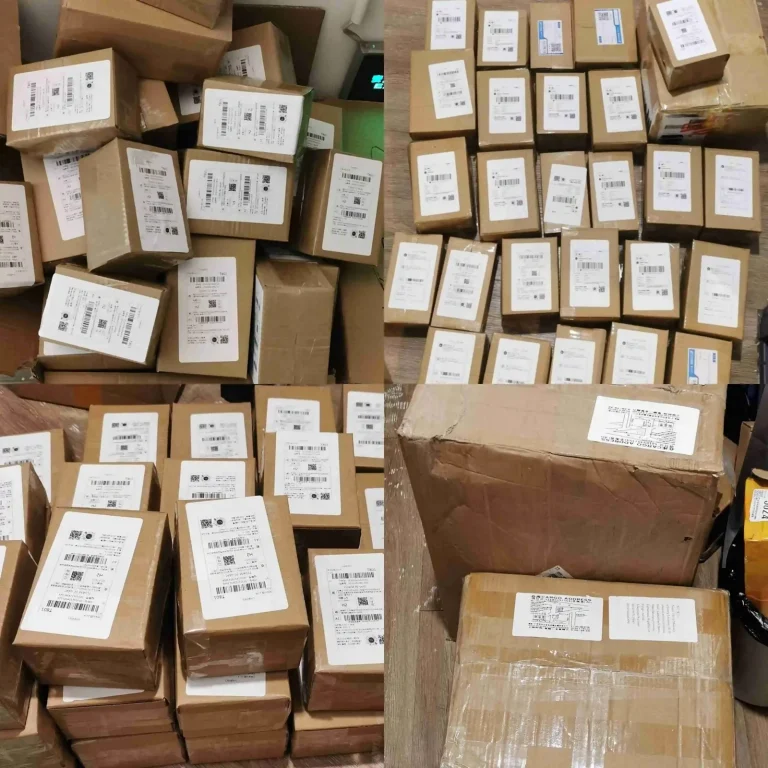
A cheap parcel you never ordered is a seller buying a review with your address. What brushing is, why you may keep the item, why you must not scan the QR code, and where to report it.
A PO Box takes USPS only, lockers take their own network only, and an apartment label fails without the unit on the street line. How to pick a delivery point that lands a mystery box the first time.
Carrier insurance pays the seller, not you, and domestic services already include $100 of cover. What protects a lost, crushed or stolen box, who files the claim, and when paying for cover pays.
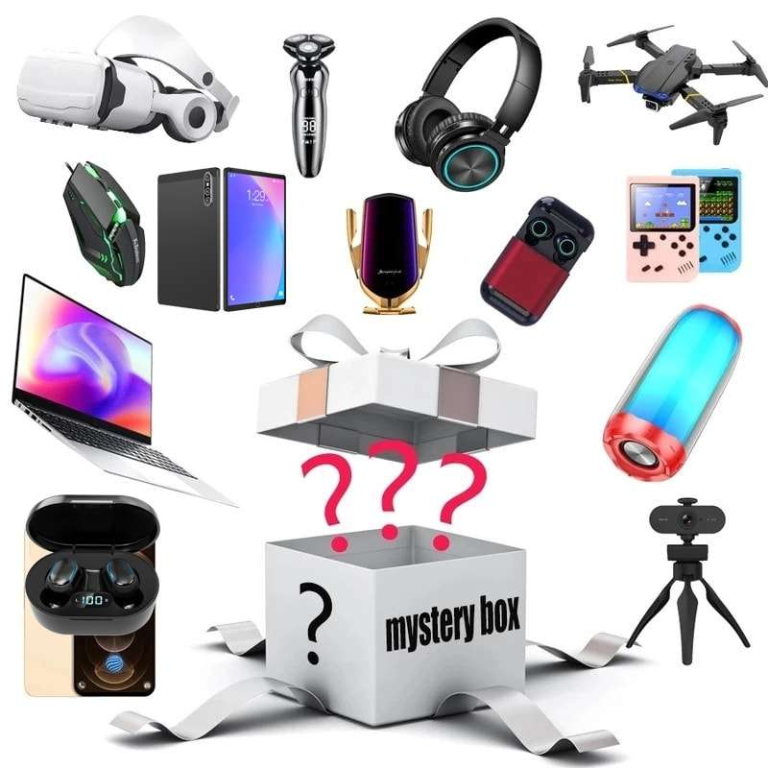
The watts and hours on a budget speaker box are advertising; the IP code and Bluetooth version are the only specs with a test behind them. What to read, what to ignore, and a fifteen-minute test.