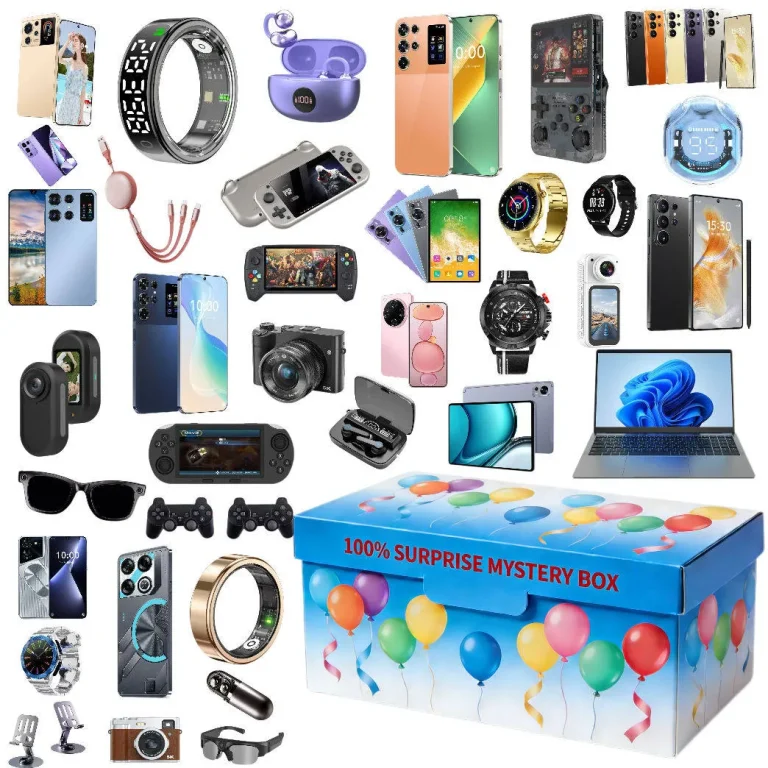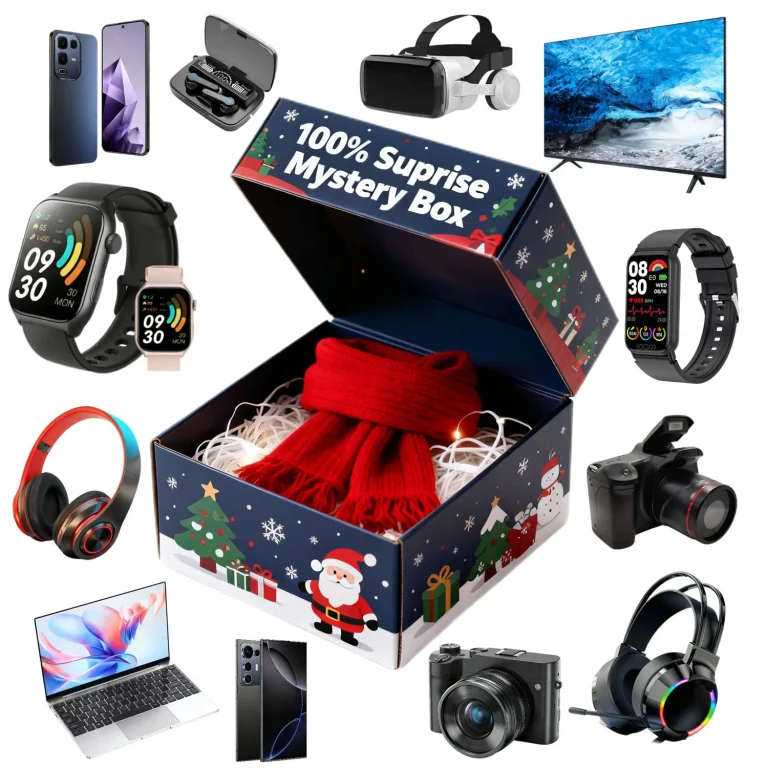
A Christmas Surprise Box for Someone Who Has Everything

"They have everything" is rarely true. What it usually means is that the person on your list buys what they want as soon as they want it, which leaves you nothing to discover and no gap to fill. A surprise box is a common answer to that problem. Sometimes it is the right one for you, and sometimes it makes the underlying problem worse. This guide helps you tell the difference.
Diagnose the Problem First
People who are hard to buy for fall into distinct groups, and the right gift differs sharply between them. The self-provider sees something and buys it; there is no gap because they close every gap themselves. The specialist is deeply into one thing and knows far more about it than you do, so anything you choose in that field risks being wrong or redundant. The minimalist actively does not want more objects; more things is the opposite of a gift. The unreadable is someone you simply do not know well enough: a new colleague, an in-law, a partner's friend.
A surprise box helps you with two of these and actively hurts you with the other two. Working out which one you are facing saves the purchase.
Where a Surprise Box Genuinely Helps You
- A surprise box works for the self-provider and the unreadable recipient.
- It fails for the specialist and the minimalist, for opposite reasons.
- The deciding trait is flexibility, not wealth or interest in tech.
- If you go ahead, narrow the category, choose a mid-sized tier, and say on the card that you did not choose the contents.
For the self-provider
Your difficulty here is competition: anything you buy, they could have bought themselves and probably would have chosen better. A surprise box sidesteps that entirely, because neither of you chose it. There is nothing to compare your judgement against. It also delivers something they cannot easily buy for themselves: the experience of not knowing. Someone who orders exactly what they want, whenever they want it, has removed anticipation from their own shopping. A sealed box gives it back.
For the unreadable recipient
When you genuinely do not know someone, a chosen gift is a guess dressed as thoughtfulness, and a bad guess is worse than an honest surprise. A box labelled as a surprise is at least truthful about what it is. The only requirement is that the category range is broad enough to be plausibly useful. Everyday tech accessories clear that bar for most adults; niche categories do not.
Where It Makes Things Worse
The specialist. Someone deep into audio, photography, or gaming already owns better versions of most accessories in any general box. A random assortment aimed at "everyone" is aimed below them, and they will notice immediately. For a specialist, your honest options are a consumable they use constantly, a gift card to a shop they actually use, or asking someone in their circle what is missing.
The minimalist. This is the one people get wrong most often. If someone is deliberately reducing what they own, several unchosen objects is not a neutral gift; it is a small chore. They now have to find homes for things, or dispose of them, and be gracious about it. The surprise format makes this worse rather than better, because the items were not selected with them in mind and are therefore less likely to earn shelf space.

The Test That Settles It
Ask yourself one question: would this person cheerfully use something ordinary that arrived unexpectedly? Not whether they like technology. Not whether they can afford it. Whether they are flexible about what turns up.
| Who you are buying for | Surprise box? | Better alternative |
|---|---|---|
| Self-provider | Good fit | None needed |
| Unreadable | Good fit | None needed |
| Specialist | Poor fit | Consumable or gift card in their field |
| Minimalist | Poor fit | Experience, consumable, or nothing physical |
| Very specific tastes | Poor fit | Something chosen, or ask them |
If You Go Ahead, Improve the Odds
Narrow the category, do not widen it
Instinct says a broader range gives you more chances to hit. The opposite is true. A broad range means each individual item is less likely to be relevant, while a narrow one at least lands in a category you know they operate in. Check the seller's stated range against the person specifically. Mewoo publishes its categories in what categories can be in an electronics mystery box.
Choose a mid-sized tier
For someone who already owns plenty, a very large count of small accessories reads as clutter, which is exactly the wrong signal. Fewer, more substantial items present better. The guide to choosing a gift size matches the count to the occasion.
Say what it is
Tell them on the card that it is a surprise box and that you did not choose the contents. For a hard-to-buy-for person this is disarming rather than lazy: it acknowledges the difficulty honestly, and turns the reveal into the point.
Note: Preference is not usually a valid reason for return with a random assortment, since sellers commit to item count, condition, and category rather than to taste. If the person you are buying for is someone who would want to exchange things, that is itself a signal the format is wrong for them, and you should read it as one before you order.
The Awkward Case: Someone Wealthier Than You
This deserves its own note, because it is common at Christmas and rarely discussed. When the recipient could buy anything in the box without thinking about it, the monetary value of your gift stops carrying any meaning. Spending more does not help; it just makes the mismatch more expensive. What still carries meaning is the format itself: the fact that you gave them something nobody chose, including you.
That is why a modest surprise box can land better here than an expensive chosen gift. The chosen gift invites comparison with what they would have picked. The surprise box does not compete on that axis at all, because there was no judgement to get wrong. Price is the wrong lever for you in this situation. Move the decision to fit, a narrower category they actually operate in, and let the format do the rest.
The Honest Alternatives
Worth saying plainly, because the best gift is sometimes not a box. A consumable, such as coffee or good chocolate, gives them nothing to store or dispose of. An experience is particularly good for minimalists and for people you want to spend time with. A replacement upgrade, something they already use daily but in a better version, works if you know them well. And asking is unromantic and highly effective, especially for specialists. If none of those fit and you still want the surprise element, the box is a reasonable answer, and the wider question of whether the format suits a recipient at all is in when a surprise box works as a Christmas gift.
FAQ
Is a mystery box a good gift for someone who has everything?
Work out what "has everything" means for this person before you answer. If it means they order whatever catches their eye the same afternoon, a surprise box is a strong choice, because for once neither of you picked it and there is no better choice they could have made. If it means they are actively clearing out their home, a box of unchosen objects lands as a job to do, not a present.
What if they are an expert in the category?
Skip the box. An audio nut or a serious photographer already owns a nicer version of nearly everything a general assortment could send, and the gap will be obvious the moment the lid comes off. Give them something they burn through, a gift card for the shop they genuinely order from, or ask a friend in the same hobby what they have been meaning to replace.
Should I choose a bigger box to improve the chances?
No. A bigger box from a wide category just means more things that miss, and for a person whose home is already full, a heap of small accessories looks like clutter you have handed them. Pick a middle tier and, if the seller offers it, a tighter category you know they use. Fewer items that fit beat many items that need a drawer.
Is it rude to give a gift I did not choose?
Only if you pretend otherwise. Write on the card that it is a surprise box and that you have no idea what is inside either, and the gift becomes a shared moment rather than a shrug. Hand it over as if you picked every item and a random cable will read as a strange choice from someone who knows them. The honesty is what makes it work.
What if they already have one of the items?
Expect it, and make peace with it before you order. Everyday accessories turn up in these boxes precisely because most people use them, so someone who already owns plenty will probably own one of them. A narrower category cuts the odds a little, but the realistic view is that a spare charger is a normal outcome of the format, not a sign the gift went wrong.
Can I check the contents before giving it?
Yes, and for a tricky recipient it is worth the loss of the sealed moment. Opening lets you pull anything that is clearly wrong for them, confirm the count, and test the electronics while you are still inside the seller's reporting window. Reseal it neatly afterwards. Catching a mismatch in November is far better than watching it happen on Christmas morning.
Final Thoughts
"Has everything" usually means "closes every gap themselves", and for that person a surprise box works because nobody chose it. For a specialist or a minimalist it misses in opposite directions. Decide which one you are buying for, narrow the category rather than widening it, choose a mid-sized tier, and say on the card that the contents are a surprise to you too. Do that and the box is a real answer rather than a shrug.
When the point is the format rather than a specific device, the gift tiers fit the brief: Surprise Gift Box (6 items) and Christmas Electronics Mystery Box (6 items). Compare every tier side by side on the electronics mystery box category page.
For a bigger single present, the gift tiers go up to: Surprise Gift Box (8 items) and Surprise Gift Box (10 items).
See box sizes and counts →