Why Mystery Box Listings Rarely Name Brands, and What to Ask Instead
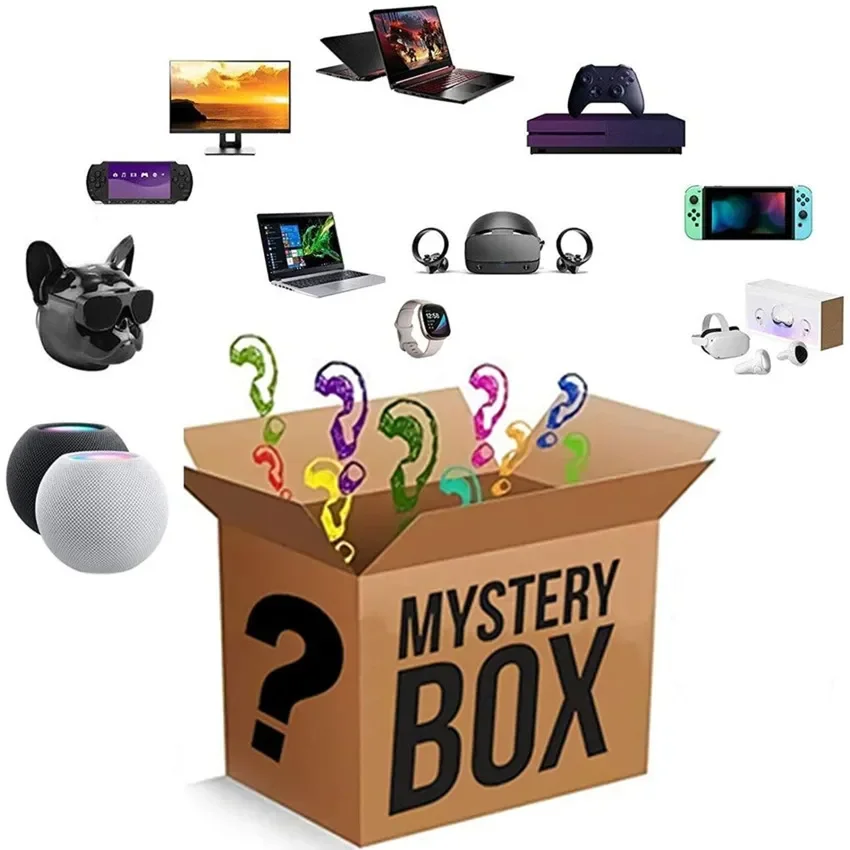
Mystery box listings show brand-name products in the photographs and then describe the contents to you without naming a single brand. That gap is not sloppiness. It is deliberate, and there are three separate reasons for it. Understanding them tells you exactly how much weight to put on the words "may include premium brands", which is roughly none, and what to ask a seller instead so that you get an answer you can actually use.
Reason One: They Do Not Know Yet
The most boring explanation is also the main one. An assortment seller buys whatever is available at wholesale when they restock. The mix changes month to month, and a listing written today has to describe boxes packed six weeks from now from stock nobody has bought yet. Naming a brand converts an unknown into a promise to you. If the listing says a particular maker and that maker's stock is unavailable when your box is packed, the seller has broken a specific commitment rather than a vague one. Silence is not evasion here so much as accuracy: they genuinely do not know. This is the same structural fact that prevents a published roster, discussed in what "collectible" actually changes on a mystery box.
Reason Two: A Named Brand Becomes a Claim
- Naming a brand turns an unknown into a commitment the seller must meet for you.
- A trademark identifies the source of goods, which is where the legal risk sits.
- "May include" phrasing commits to nothing and should be read as decoration.
- Ask about the lowest-value item and about testing; those questions have answers.
On a marketplace, "materially different from the description" is one of the strongest grounds you have as a buyer. Naming a brand writes the description that the claim would be measured against. That cuts both ways, and it is worth seeing clearly. A seller who names a brand has given you something enforceable, which is genuinely better for you and genuinely riskier for them. A seller who names nothing has removed the standard, so nothing that arrives can differ from it. The mechanism is set out in buying on a marketplace vs direct from a seller. So the absence of brand names is partly a decision to stay unfalsifiable. It is not fraud, but it is a choice about how much you can hold against them.
Reason Three: What a Trademark Actually Protects
The third reason is the one people misunderstand most, and the US Patent and Trademark Office states the underlying idea plainly. A trademark identifies the source of goods or services, provides legal protection for a brand, and helps guard against counterfeiting and fraud. USPTO also corrects a common misconception directly: owning a trademark does not mean owning a word in general; rights apply to how that word is used with specific goods or services. The practical consequence for an assortment seller is about implication rather than mention. Reselling genuine branded goods and describing them accurately to you is ordinary commerce. Using a brand name in a way that suggests the seller is the source, or that a brand owner endorses or supplies the box, is a different thing entirely, and a listing that leans on famous names while shipping generic stock is walking toward exactly that line. Cautious sellers therefore avoid brand names not because mentioning one is forbidden, but because in a product where contents cannot be guaranteed, the mention would be doing work the goods may not support.
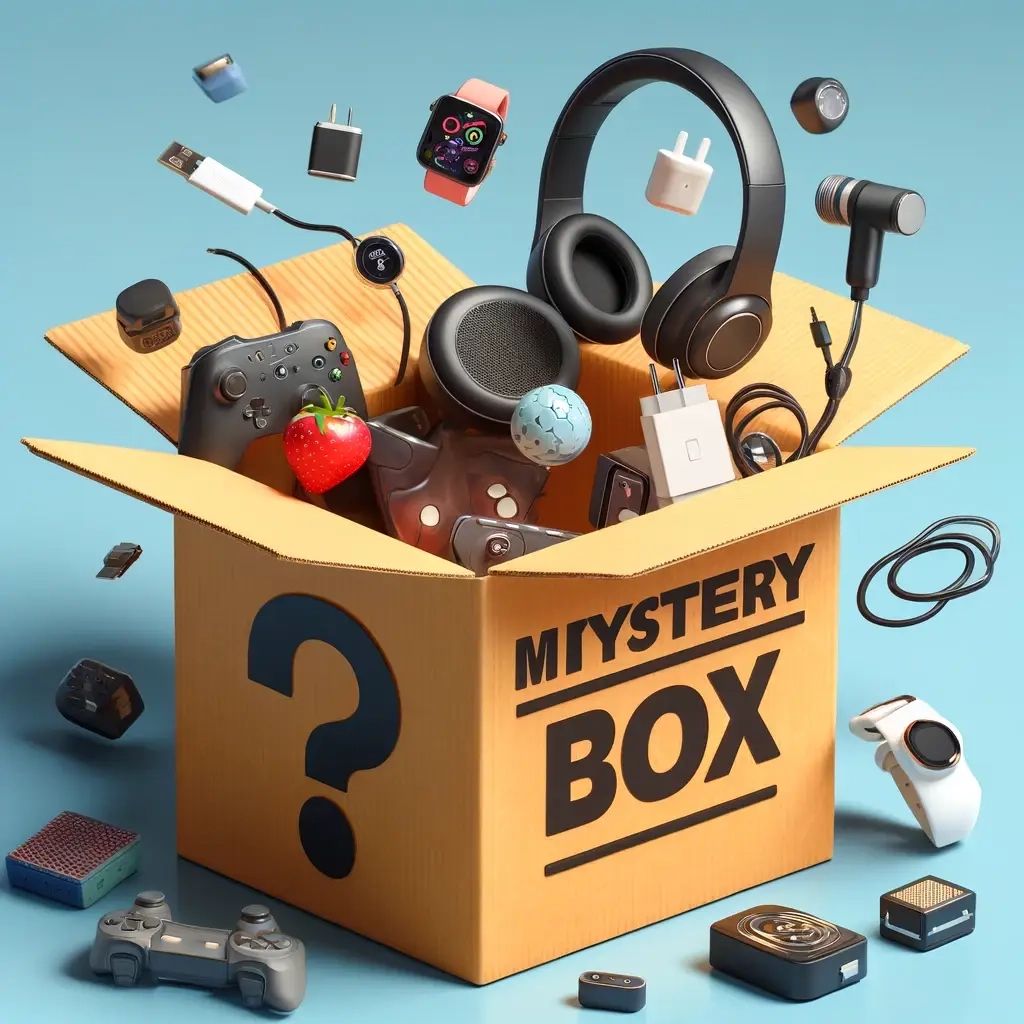
How to Read Brand Language
| Phrasing | What it commits to | How you should treat it |
|---|---|---|
| "May include brands such as..." | Nothing | Decoration |
| "Premium branded items" | Nothing; "branded" is not a brand | Decoration |
| "Chance to receive [brand]" | Nothing, with a lottery framing | Warning sign |
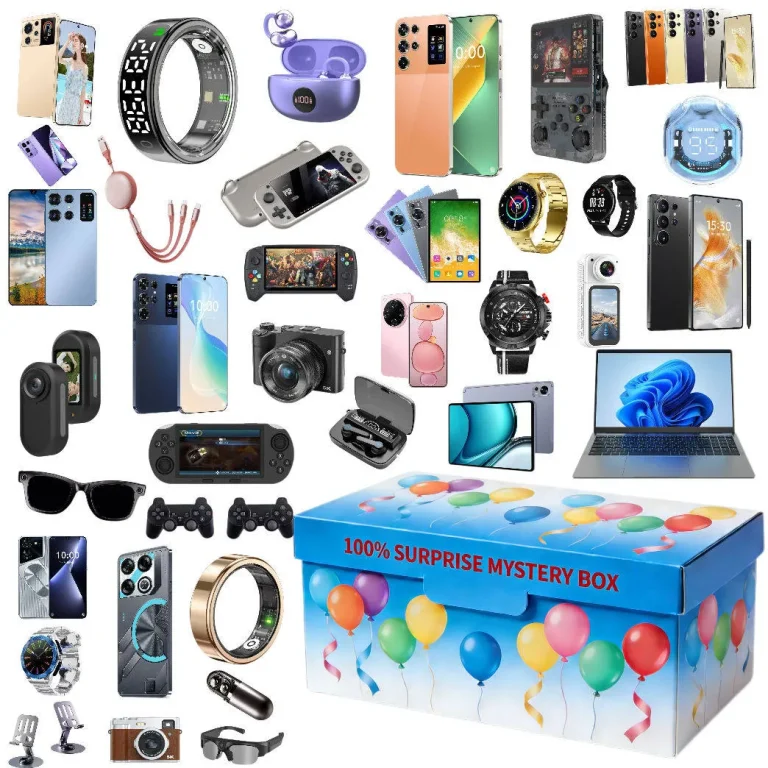
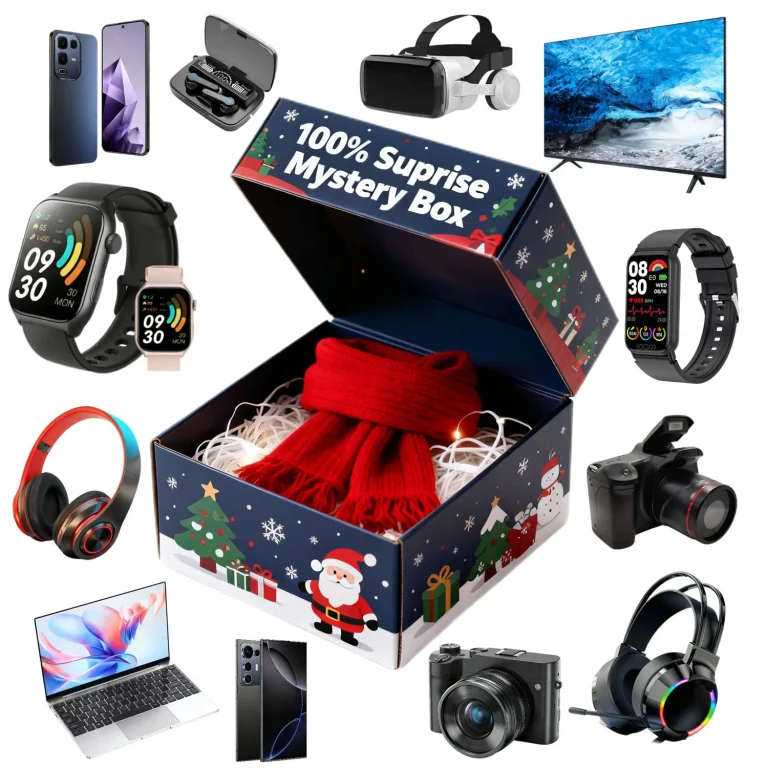
| Brand shown only in images | Nothing | Illustration of a category |
| "Contains one [brand] item" | A real commitment | Hold them to it |
| Named brand plus model | A specific commitment | Strongest form available |
Only the bottom two rows are worth anything to you, and they are rare in this category precisely because they are commitments.
Note: "Branded" and "brand-name" are not brands. Every manufactured item carries somebody's mark, including makers nobody has heard of, so the word describes the existence of a label rather than its recognisability. It is the most common way of implying famous names to you without naming one.
What Actually Ships at Consumer Prices
Worth stating plainly, because it makes the whole question less mysterious. At the prices most assortments sell for, the majority of contents are generic or from makers you will not recognise. That is arithmetic rather than deception: once carriage, packaging, and payment processing come out, the remaining budget per item does not reach recognisable brand pricing. The breakdown is in what to realistically expect under $20. Unbranded does not mean bad. A generic cable that works is a working cable. What it does mean is that resale value is close to zero, which matters if you were planning to move anything on; see can you resell what comes in a mystery box.
When a Brand Name Should Make You More Careful
Counter-intuitively, a listing that does name famous brands deserves more scrutiny from you than one that does not.
- Check the price against reality. If one named item would cost more than the whole box, the box is not supplying it.
- Look for "chance to" or "up to". These convert a brand name into a lottery ticket without saying so.
- Ask whether the seller is an authorised reseller. A straight answer either way is informative.
- Check whether the brand appears in text or only in images. Images illustrate a category; text is where commitments live.
- Ask what happens if the named brand is not in the box. If naming it was real, there is an answer.
A seller who names a brand and stands behind it is offering you more than one who names none. A seller who names brands everywhere and commits nowhere is offering you less than one who quietly describes generic contents accurately.
The Honest Version of the Question
Instead of "which brands are in this box", ask two things that can actually be answered. What is the lowest-value item you would include? This gets at the floor, which brand names never do. Is anything tested before it ships? For unbranded electronics this matters far more to you than the label, because there is no brand reputation doing the quality assurance on your behalf. Mewoo does not name brands on its listings for exactly the first reason above, and instead states the category range, the two exclusions, and that every item is new and checked before packing; the approach is in how it tests electronics before dispatch, and the committed range is in what you can expect inside. Those two answers tell you more about what will arrive than any list of brand names a seller is not obliged to deliver.
FAQ
Why do mystery box listings never name brands?
Three things stack up. The seller does not yet know which stock will be on the shelf the day your box is packed; putting a maker's name in writing would turn that guess into something you could hold them to; and leaning on a famous name while shipping generic goods edges toward implying an endorsement that does not exist. Part of the silence is honesty, part of it is keeping the listing impossible to contradict.
Does "premium branded items" mean anything?
Nothing you can use. Every cable, case, and charger ever made has some company's name on it somewhere, so "branded" only tells you a label exists, not that you would recognise it or want it. Sellers reach for the word because it sounds like a famous name without committing to one. When you see it, mentally replace it with "items" and read the listing again; the meaning does not change.
Is it illegal for a seller to name a brand?
Not on its own. Anyone can resell genuine products and say what they are; that is ordinary retail. The USPTO's position is that a trademark protects how a word is used with particular goods, not the word itself. Trouble starts when a name is used to suggest the seller makes the product or that the brand backs the box. Naming a real item you will receive is fine; wallpapering a listing in logos it cannot deliver is not.
Should I trust a listing that does name brands?
Read it harder, not softer. A brand with a model number beside it is the best promise you will find in this category, and worth paying for. The same brand inside "a chance to win" or "worth up to" is a raffle dressed as a description and promises you nothing. Then do the sum: if that one named product retails for more than the entire box costs, the box is not going to contain it, whatever the photo shows.
Are unbranded items in a mystery box bad?
Not automatically. Once postage, packaging, and card fees come out of a $20 or $30 box, what is left per item simply does not stretch to names you would know, so generic is what the price buys. A no-name cable that charges your phone is doing its job. The one thing you should not expect from unbranded goods is resale value; if the plan was to sell items on, that is where the format lets you down.
What should I ask instead of "which brands"?
Two questions with real answers. "What is the cheapest thing you would put in this box?" tells you the floor, which no brand name ever does. "Do you switch things on before you pack them?" tells you whether working electronics is a promise or a hope, and for unbranded gadgets that matters more than any logo, because there is no manufacturer reputation quietly doing the quality control for you.
Final Thoughts
Brand names are absent because sellers do not know their stock in advance, because naming one creates a commitment to you, and because implying endorsement is where trademark risk sits. Treat "may include" and "premium branded" as decoration, treat a named brand plus model as a real promise worth holding them to, and ask about the floor and about testing instead. Those are the answers that predict your parcel.
Mewoo commits to a category range, two exclusions, and new-and-checked condition rather than to brand names: Triple Reveal Electronics Mystery Box (3 items) and Party Electronics Mystery Box (6 items). Compare every tier side by side on the electronics mystery box category page.
See what is actually committed to →