
Mystery Box vs Liquidation Pallet: Manifest, Condition and Landed Cost
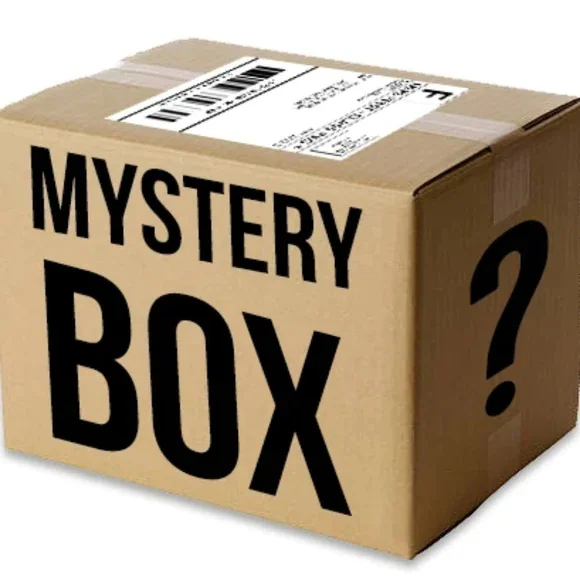
If you are sourcing inventory rather than shopping for fun, mystery boxes and liquidation pallets are not two sizes of the same thing. They differ in what you are told before you pay, what you can verify afterwards, and what delivery actually costs you. This guide compares them on the three factors that decide your outcome: the manifest, the condition, and the total landed cost. It is general information, not legal or tax advice.
The Short Answer
A liquidation pallet is a bulk lot of retail surplus, usually shipped by freight, that may or may not arrive with an itemised list. A mystery box is a small parcel sold on the promise of quantity rather than contents. The dividing line between them is not size. It is whether anyone has written down what is inside, and that one fact changes everything you can do with the goods afterwards.
There Are Three Options, Not Two
- A manifested pallet tells you what is inside; an unmanifested "mystery pallet" and a consumer mystery box do not.
- A manifest lets you do the maths, screen for recalls, and prove where your goods came from. Buying blind removes all three.
- The real condition split is tested versus untested, not new versus used.
- Compare delivered prices. Freight, lift gates, unsellable units, and sorting hours are the costs nobody quotes you.
The market offers you three, and the middle one causes most of the confusion.
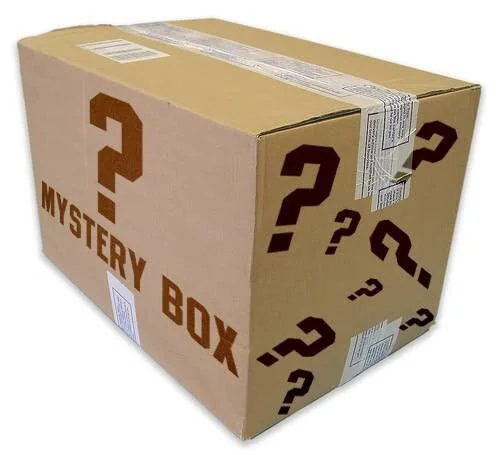
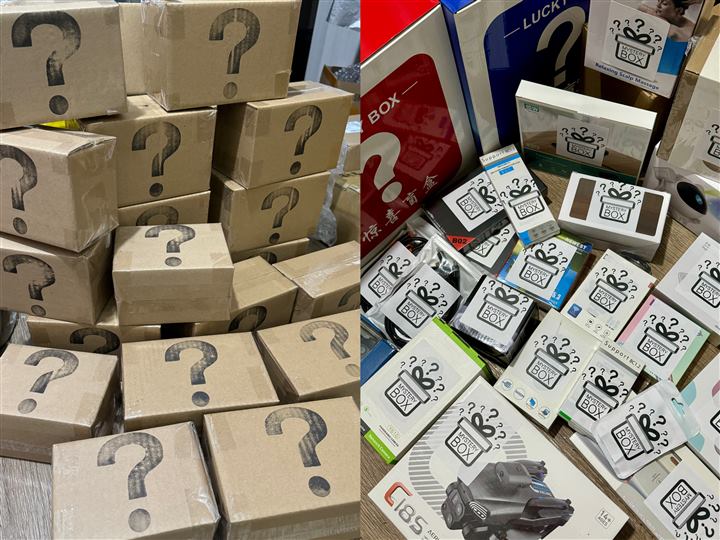
Manifested pallets arrive with an itemised list: product names, quantities, retail values, and often a condition note per line. You can price the lot before you commit. Unmanifested pallets are sold blind with a broad category label such as "general merchandise" or "electronics" and a photo or two. This is what almost every "mystery pallet" video online is showing, and one liquidator says so on its own category page: a gamble, not a guaranteed margin. Consumer mystery boxes are a different product again. They are sold by item count and condition, ship as a normal parcel, and are built around the reveal rather than around inventory economics.
The price gap between the first two is the discount you are paid for not knowing. That trade can be reasonable. It is only a mistake when you did not realise you were making it.
Two Different Kinds of Unknown
Each format hides something different from you. With a manifested pallet, you know what is in the load and you do not know how much of it works; one returns load can hold sealed like-new stock next to dead units. With a mystery box, you do not know what is in it, but a responsible seller still tells you how many items you get and what condition they are in.
So the honest question is not "which one is riskier". It is "which unknown can I absorb?" If you can test and repair, you handle unknown condition well. If you need a specific category for your channel, you handle unknown contents badly. Choosing the wrong one is usually a case of bringing the wrong measuring stick.
What a Manifest Actually Buys You
A manifest does three jobs for you, and they stack.
It lets you do the maths. Sort the list by retail value, look up the top items by UPC at recent sold prices rather than list prices, adjust for condition, then subtract fees, freight, and your own labour. The total retail figure on a manifest means very little on its own; recoverable value is the number that matters to you.
It lets you check compliance. In the United States it is unlawful to sell a recalled consumer product, and the CPSC states that it is your responsibility as the reseller to know. Marketplaces enforce this hard, and recalls routinely name products sold years earlier. Without an item list, you have nothing to screen against.
It lets you prove where your goods came from. Reselling genuine products is lawful in the US under the first-sale doctrine, which the Supreme Court confirmed applies to authentic goods made abroad in Kirtsaeng v. John Wiley & Sons (2013). Counterfeits get no such protection, and liability can attach even when you did not know. Invoices and manifests are the paper trail that supports both authenticity and lawful acquisition.
Buying blind removes all three at once. That is the real cost of the discount. One refinement: a manifest is not a guarantee. Liquidators state that the list is approximate and that variation is not grounds for a refund, and manifests go stale as stock moves, so ask when yours was generated.
Condition: The Line Is Tested or Untested
Condition language looks standardised. It is not. Typical tiers run from brand new and overstock, through shelf pulls, to customer returns and salvage sold for parts. The meaningful split for you is elsewhere. Some tiers state that items work. Others state that nothing was tested. Read for that sentence first, because it moves your expected outcome more than any label does.
Two traps follow. Letter grades have no universal definition, so a grade only means something alongside that seller's own written criteria. And "tested" is not a warranty: the check is usually basic function at that moment, and inventory is still sold as-is. Ask for the definitions in writing, and treat a grade with no description behind it as unstated. Mewoo takes the opposite approach for its own boxes and describes what it means in product condition and grading rather than relying on a letter.
The Total Cost Nobody Quotes You
This is where pallet buying most often goes wrong for you, and it has nothing to do with the goods. A box ships as a parcel. A pallet ships as freight, and freight brings its own line items.
| Cost line | Pallet | Consumer box |
|---|---|---|
| Carriage | Freight, priced by weight and dimensions, with oversize surcharges | Parcel rate at checkout |
| Delivery to a home address | Lift gate needed and charged extra; most trucks have none | Courier to the door |
| Damage in transit | Handled repeatedly in LTL networks; carrier liability capped and hard to claim | Replacement route with the seller |
| Unsellable units | A budget line, not a surprise | Covered if faulty and reported in time |
| Your labour | Hours of sorting, testing, photographing, listing per pallet | An evening at most |
| Comparable quote | Only when "delivered to your door" is included | Visible total before you pay |
Ask for a delivered price rather than a quote "plus shipping"; two offers cannot be compared until both include freight to your door. Mewoo calculates shipping at checkout and states its dispatch and transit windows on its packing, shipping and tracking page, so your delivered figure is visible before you pay.
Electronics Carry Extra Duties
Electronics are the category where surplus buying looks most attractive to you and carries the most obligations. Returned phones and computers can still hold the previous owner's data and need proper wiping before resale. Lithium cells bring packing, labelling, and carrier approval requirements. Some retailer programmes require store labels removed before resale.
None of this makes electronics a bad category for you. It means the work belongs in your cost model. Mewoo lists its own battery limits in battery products and shipping restrictions.
Note: Be honest about the economics before you buy anything random. Any box or pallet that a seller can offer repeatedly must cost less to fill than it sells for. That is not fraud; it is the condition for the business existing. It does mean that expecting to profit from the average outcome is the wrong starting point for you. Profit, where it exists, comes from your channel, your testing, and your speed, not from the seller's generosity.
What Each Format Is Good For
A manifested pallet fits you when you have storage, a vehicle or dock, hours for triage, a category you already sell well, and a need for documentation. An unmanifested pallet fits you when you know a category deeply, buy at enough volume that one bad load does not matter, and price for variance. A mystery box fits you when you want to test a supplier's process cheaply, need a small parcel rather than freight, want variety without a warehouse, or are buying for a gift or an unboxing rather than for margin.
What no random box can fix is category mismatch. If the items are fine but not what your buyers want, you end up bundling to clear them.
How to Run a First Test That Teaches You Something
Treat your first order as paid research and record the numbers, not the impressions.
- Buy the smallest unit that still gives you a real sample.
- Record landed cost including shipping and any fees.
- Count items that are complete and working, then count items relevant to your channel.
- Log the hours you spend sorting, testing, photographing, and listing.
- Check every item you plan to resell against current recall notices at cpsc.gov/recalls before listing.
- Track days to sell and final sale prices, not asking prices.
- Repeat once. Two data points beat one anecdote.
If you want a parcel-sized sample before committing to freight, Mewoo covers that path in mystery boxes for resellers and handles larger quantities through bulk mystery box orders. It sells fixed item counts rather than itemised lots, so it suits your sampling and gifting rather than sourcing that needs a full paper trail.
FAQ
Is a mystery pallet the same as a liquidation pallet?
It is one kind of liquidation pallet, the kind sold without a list. Everything else about the two is shared: the surplus channels they come from, the as-is terms, the freight bill, the spread of conditions inside, and your duty to screen for recalls. What you give up with the mystery version is the ability to price the load before you pay, and the price cut you receive is your compensation for that.
Can I ask a seller for a manifest before buying a mystery box?
You can ask, and the reply is informative either way. A small consumer box is almost never itemised, because the reveal is the product. What you should still get in writing is the number of items, their condition, the categories they can come from, and how a fault is handled. A seller who will not put even those four things in writing is selling you something unverified, not something mysterious.
What does "as-is" actually mean on a liquidation listing?
That you take the goods in whatever state they arrive, with no warranty, and that the ordinary features of surplus stock do not count as defects. Expect the seller to spell out what you cannot claim for: missing manuals or accessories, torn retail boxes, price stickers and residue, and a mix of conditions inside one load. Read that exclusion list before you bid, because after delivery it is the whole contract.
Are Amazon return pallets sold by Amazon itself?
Sometimes, through retailer-run liquidation auctions, so retailer-sourced loads do exist. More often the pallet or box carrying a retailer's name has passed through one or more third parties who bought it earlier in the chain. Before you treat a brand name as verification, find out who is actually invoicing you, where they are located, and whether the description of the goods matches what the name implies.
What is a bin store, and is it a better starting point for me?
A bin store sells surplus at a flat price that drops through the week, and you pick the items yourself. If what you want is cheap stock rather than a surprise, it is often the smarter first step: you can see condition, avoid duplicates, sometimes test electronics on the spot, and carry the goods home without paying freight. It teaches you the category before you commit to a pallet of it.
Do I need a resale certificate to buy liquidation inventory?
Most wholesale suppliers will ask you for one as part of verifying that you are a business, and it also lets you buy stock without paying sales tax at the point of purchase. The rules are set by your state, so confirm the details with your state revenue department or an accountant. File it with your invoices and manifests, because together they document both your costs and where your goods came from.
Final Thoughts
Compare these two on disclosure rather than on price per item. A pallet can be cheaper per unit and still cost you more once freight, unsellable stock, and sorting hours are counted. A box can be simple and still be the wrong tool if you needed an itemised list. Decide which unknown fits your operation, then buy the smallest version of it first and let the numbers, not the video, decide the second order.
For a tested, curated alternative to an untested pallet, these are the two Mewoo formats built for resellers: Bulk Mystery Box for Small Resellers and Ultimate Electronics Mystery Box (12 items). Compare every tier side by side on the electronics mystery box category page.
Shop Mystery Boxes →