Themed Mystery Boxes: What a Theme Actually Changes About What You Get

Themed mystery boxes sound like the answer to the format's central problem. If the contents are random but the theme is fixed, surely you know roughly what is coming? Sometimes. The difficulty is that "theme" describes at least three different levels of constraint, and only one of them actually narrows what can be in your box. Telling them apart takes you about ten seconds and saves most of the disappointment.
Three Things Sellers Call a Theme
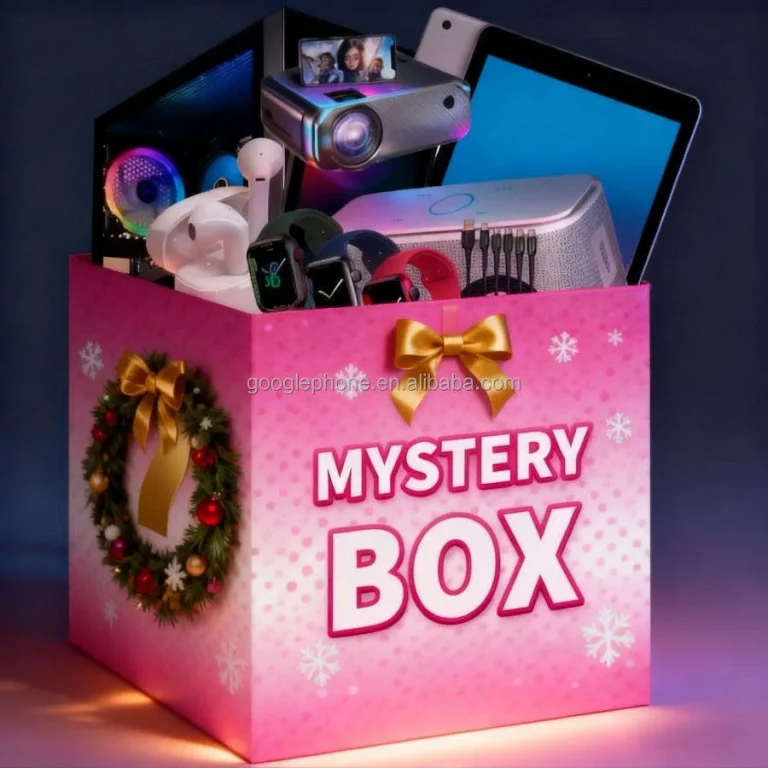
Read enough listings and the same word turns out to be doing three unrelated jobs. A palette. Everything is pink, or everything is black. This constrains appearance and nothing else; a pink cable and a pink stand are still a cable and a stand. An occasion. A Christmas box, a graduation box. This constrains the packaging and the timing, and usually leaves the contents identical to the seller's general range. A use case. A desk setup box, a travel box, a first-apartment box. This is the only one of the three that genuinely restricts what can go inside, because the items have to work together for a purpose. Only the third changes your odds of getting something you will use. The first two change how the box looks and when it arrives.
The Test That Separates Them
- Ask what the theme excludes; inclusions are free for a seller to promise.
- Palette and occasion themes constrain looks and timing, not what you receive.
- A use-case or hobby theme is the only kind that changes what lands in your box.
- A theme mentioned once in the title and never explained is almost always a colour.
Here is the whole method, and it is one question you ask of the listing: what does this theme rule out? A genuine constraint excludes things. A travel theme excludes anything that needs mains power. A desk theme excludes anything you would carry in a pocket. Those exclusions cost the seller stock flexibility, which is exactly why they are meaningful to you. A decorative theme excludes nothing. A "gold" box excludes items that are not gold, which is a statement about finish rather than about function. The seller has given up nothing except the freedom to send you a blue one. This is the same reasoning that makes stated exclusions the most informative part of any category range, as set out in the pages a mystery box site should have. Listing what could be inside is free. Naming what will not be is not.
How the Three Levels Compare
| Theme type | Example | What it constrains | Does it change what you get? |
|---|---|---|---|
| Palette | Pink box, gold box | Colour and finish | No |
| Occasion | Christmas, graduation | Packaging and timing | Rarely |
| Audience | For him, for her, for teens | Category weighting | Slightly |
| Use case | Travel, desk setup, first flat | What the items must do | Yes |
| Hobby | Fishing, baking, gaming | An entire product world | Strongly |
The bottom two rows are where a theme earns its price. The top two are presentation, which is worth paying for if presentation is what you wanted, and for a gift it often is.

Why Sellers Prefer Decorative Themes
Not cynicism, inventory economics. A use-case theme requires the seller to hold stock that fits the use case. A travel box needs travel-appropriate items in stock at the moment you order, which means buying for that purpose and being unable to redeploy the stock elsewhere if the boxes do not sell. A palette theme requires nothing except sorting existing stock by colour. Same warehouse, same items, new listing. It is genuinely cheaper to offer, which is why there are far more colour and occasion themes than use-case ones. This also explains why themed boxes rarely cost you much more than general ones. If the theme were doing real work, it would cost real money, and the price would show it.
Note: A theme that is stated only in the title and never in the description is almost always decorative. Genuine use-case themes get explained, because explaining them is how the seller justifies the constraint to you. If the word appears once and is never elaborated, treat it as a colour.
The Narrow-Theme Advantage
When a theme does constrain contents, it improves the format for you in a specific way worth naming. The core weakness of an assortment is that a wide category range makes any individual item less likely to suit you. Narrowing the range does not make the seller more generous; it makes each item more likely to land, because the pool it was drawn from is closer to what you wanted. That is the mechanism behind hobby boxes generally, and it is why a fishing box outperforms a general "gifts for men" box for someone who fishes. The same principle appears in hobby mystery boxes. The trade is availability. Narrow themes sell out, restock slowly, and cost more, because the seller cannot buy the stock in volume across many listings.
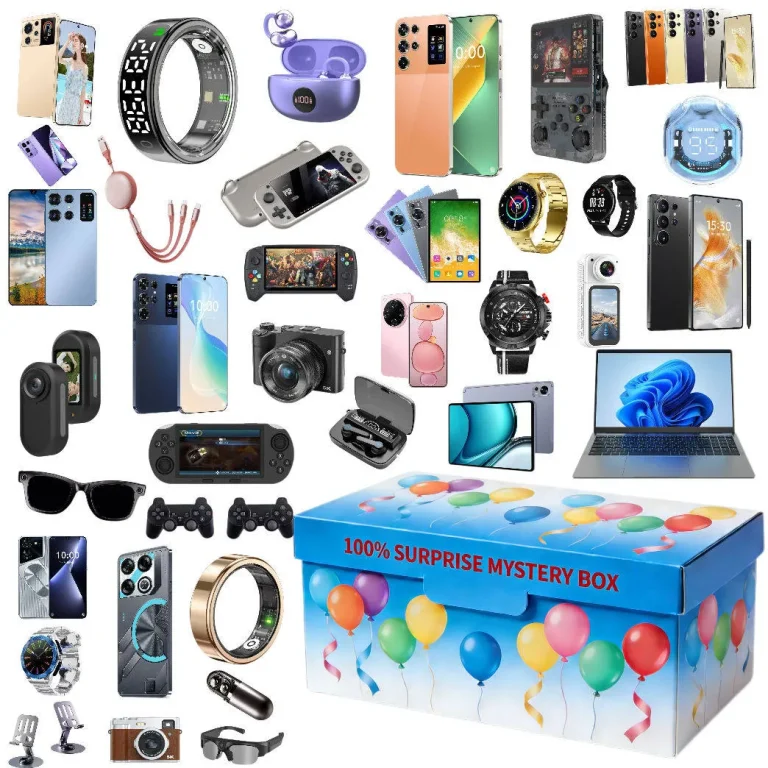
Mewoo's audience boxes sit in the middle row of the table above, and honestly so: the men's 3-item box weights toward gaming, audio, and desk items, the women's toward everyday-use accessories, and both draw from the same stated electronics range. That is a category weighting, not a colour, and it is described on the product page rather than just in the name.
Seasonal Themes Have an Extra Problem
Occasion themes carry a cost the other kinds do not, and it only shows up if your parcel is late. A box themed around a specific date has contents whose relevance ends on that date. Decorated packaging, seasonal colours, and anything printed with the occasion all stop being appropriate the following morning. The items may still work, but the gift has expired even if nothing inside it has. A general box arriving late is simply late: you give it anyway, a day or a week after you intended, and nothing about it looks wrong. That difference is worth pricing when your shipping window is tight, and it is the reason the general version is often the safer order for a dated occasion. It also means you should order seasonal themed boxes earlier than their general equivalents, not at the same time. The cost of missing is total rather than partial.
Reading a Themed Listing
- Find one exclusion. Anything the theme rules out. No exclusion, no constraint.
- Check whether the theme is explained. One word in the title is decorative; a paragraph is usually real.
- Compare the price to the general box. A real constraint costs the seller money and usually shows.
- Look for the item count. Themes do not replace the basics; count and condition still decide value for you.
- Ask what happens if it does not suit. Themes raise expectations, which raises the cost of a miss.
When a Decorative Theme Is Still the Right Buy
It would be wrong to end by dismissing them, because presentation genuinely matters in some of your purchases. For a gift, the packaging is part of what you are giving. A box that matches the occasion looks considered even though the contents were not chosen for it, and that is a real benefit rather than a trick, provided you know that is what you paid for. For a group event, a shared theme makes several boxes feel like a set. Again cosmetic, again useful. The only mistake is paying for a theme expecting it to fix the randomness. It fixes the appearance. If you want the randomness narrowed, buy the use-case or hobby version and expect to pay for the constraint, or state your requirement directly and skip the format, which is what custom and personalised boxes exist for. What any electronics theme can draw from in the first place is listed in the possible categories of an electronics mystery box.
FAQ
What does a theme actually guarantee on a mystery box?
Usually far less than the name suggests. A colour theme guarantees a colour. An occasion theme guarantees the wrapping and, at best, the delivery timing. Neither touches the list of items the seller is drawing from. The only themes that change what lands in your hands are the ones built around a purpose or a hobby, because those force the items to belong together. Your single test is whether the theme rules anything out.
How do I tell a real theme from a decorative one?
Look for something the theme forbids. A travel box cannot send you a mains-powered speaker; a "rose gold" box can send you anything that happens to be rose gold. Only the first seller has sacrificed anything. Then check where the theme is discussed: a genuine constraint gets a paragraph in the description, because the seller needs to justify it, while a decorative one gets a word in the title and silence after it.
Are themed boxes better value than general ones?
Only the ones that narrow the pool. When the items had to fit a purpose or a hobby, each one has a better chance of being something you would have picked yourself, and that is a real improvement in what you get for the money. A colour theme costs the seller almost nothing to set up and changes nothing about the contents, so the value is identical to the general box with a different lid on it.
Why are there so many colour and occasion themes?
Because they are nearly free to create. Sorting existing stock by colour, or putting it in seasonal packaging, needs no new inventory and no new supplier. A travel or desk theme, by contrast, ties up money in purpose-bought stock that has nowhere else to go. Sellers follow the cheaper path, which is why decorative themes outnumber genuine ones on every marketplace you look at.
Should I pay more for a themed box?
It depends on what you are buying it for. If it is a gift, paying a little for matching presentation is sensible, because the packaging is part of what the person receives. If it is for yourself, pay extra only when the theme visibly restricts what can be inside. People often pay a premium for a colour and then feel short-changed by ordinary contents. The colour is all you bought.
What if the theme raises my expectations too high?
That is the hidden cost of themes, and it is worth you planning around. A stated theme implies the seller understood a specific need, so ordinary contents feel like more of a miss than they would in a general box. If your requirement is genuinely specific, say so to the seller directly, or use a custom option, rather than trusting one word on a listing to carry it. A theme is a hint, not a brief.
Final Thoughts
Ask one question of any themed listing: what does this theme exclude? Palette and occasion themes exclude nothing and change only how the box looks, which is fine for a gift and useless for narrowing your odds. Use-case and hobby themes exclude real stock, cost the seller real flexibility, and are the only ones that change what arrives at your door. Pay for the theme you actually need.
Mewoo's themes are category weightings from one stated electronics range, described on the product page rather than just in the name: Men's Electronics Mystery Box (3 items) and Women's Electronics Mystery Box (3 items). Compare every tier side by side on the electronics mystery box category page.
See a stated category range →