Big vs Mini Mystery Box: Why the Size Word Tells You Nothing
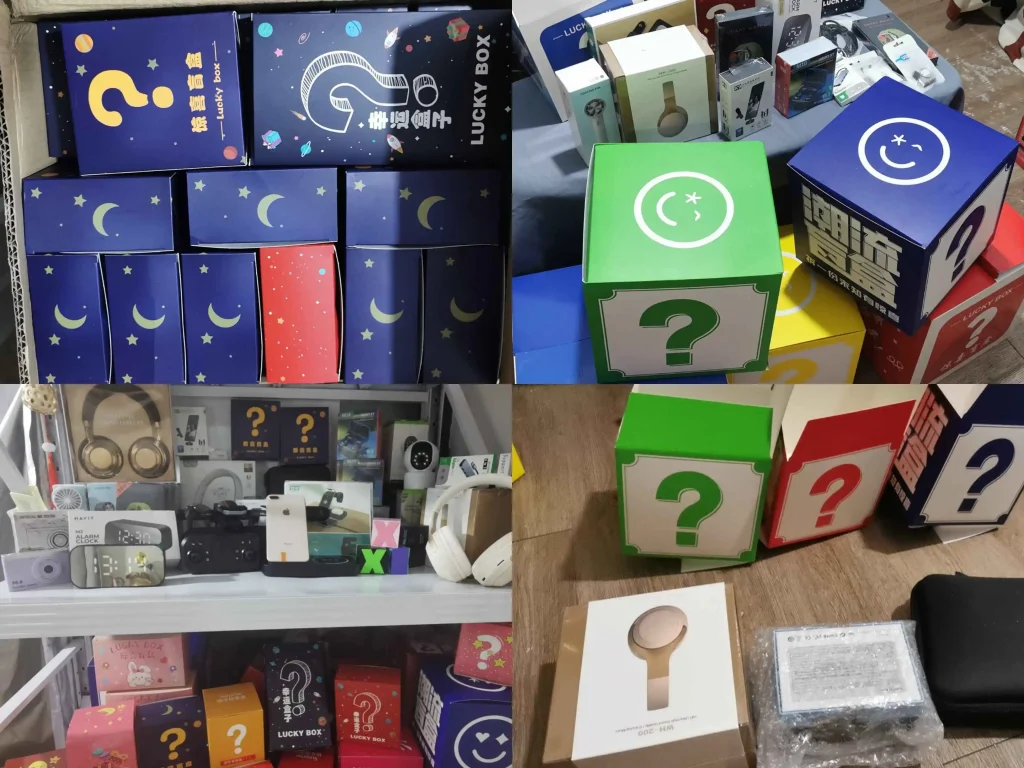
A big mystery box and a mini mystery box sound like two points on one scale. They are not. "Big" describes a carton, sometimes an ambition, and occasionally a branded product line; "mini" describes a carton, a price point, or, in the toy world, the size of the figure inside. None of those words is an item count, and the item count is the only number that decides what you actually receive. Here is how to read past the adjective.
Three Different Things the Word Can Mean
Size words on a listing are doing one of three jobs, and the listing rarely tells you which. The carton. A big mystery box may simply be a large shipping box. That tells you about volume, not contents; a 5-item assortment ships perfectly well in a large carton with void fill around it. The price rung. Some sellers use small, medium, and large as tier names, exactly as others use silver and gold. In that use the word is a label for a price, and what it commits to is whatever is written under the price, which you read the same way as gold and silver tiers. The product inside. In collectible toys, "mini" is a size class of figure. A mini blind box holds a small figure from a series; it says nothing about how many items you get, because the answer is always one.
Why Carton Size and Contents Drift Apart
- Carriers price parcels on size as well as weight, so a bigger carton costs more to send.
- That cost comes out of the same budget as your goods, not in addition to it.
- The stated item count is the only size figure that binds a seller to you.
- For a gift opened in front of people, mid-size with one substantial item beats big with air in it.
Two pressures push in opposite directions, and the label sits where they meet. Marketing wants a big box, because a large parcel on your doorstep reads as generous before it is opened. Logistics wants a small one, because carriers charge on the greater of actual and volumetric weight, so a half-empty carton is paid for as if it were full. Every extra inch of carton is postage that could have been goods. So "big" on a listing is often the marketing side winning, and the honest question for you is what that carton cost to send. A box that spends five dollars more on air than a compact one has five dollars less inside, at the same price you paid.
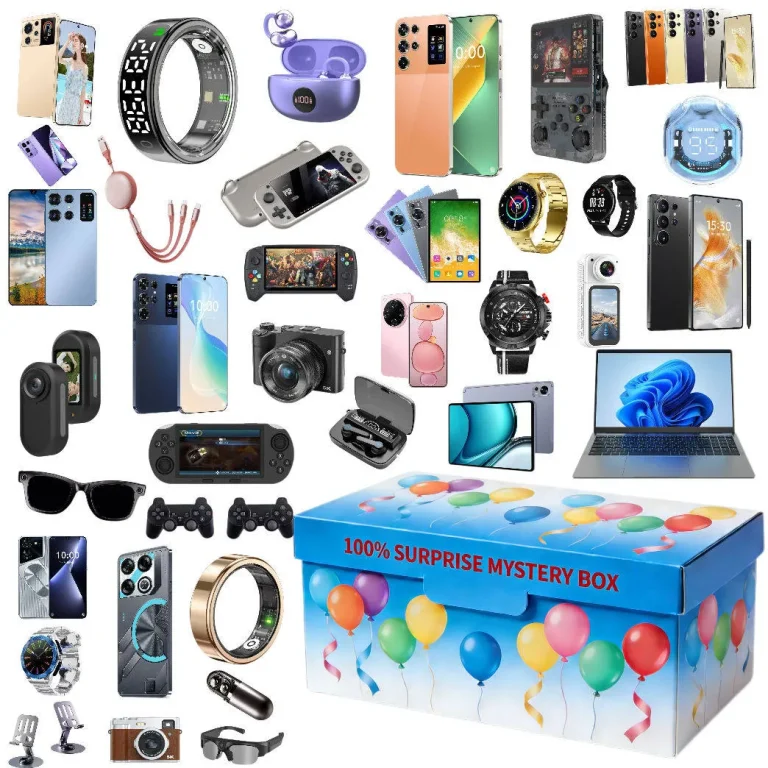
The reverse is also true and less obvious. A mini mystery box built to fit a small-parcel rate can hold more usable items than a big one, because nothing was spent on volume. Small, dense accessories, meaning cables, earbuds, adapters, and cases, are exactly the goods that suit a compact carton, and exactly what you find in most electronics assortments.
What Each Label Commits To
| Label | Usually describes | Commits the seller to |
|---|---|---|
| Big / large / huge mystery box | Carton volume, or the top price rung | Nothing about contents |
| Giant / super giant | Often a branded creator product line | That product's own stated terms |
| Mini / small mystery box | A compact carton or the bottom rung | Nothing about contents |
| Mini blind box | A small collectible figure, one per box | One figure from the series |
| "6 items" | A count | Six items |
| "All new, tested" | A condition | New, tested |
Only the last two rows are commitments you can hold a seller to. The rest are descriptions, and descriptions are free to write.
The "Giant" Box Is a Different Conversation
Searches for a giant mystery box are dominated by branded products from video creators, sold through big retailers. Those are a specific line with their own contents list and their own audience, children who watch the channel, rather than a size class of assortment. Judge them as what they are: a licensed product with published contents, not a random box. The size word there is part of the brand name, and comparing one against an unbranded "big mystery box" tells you nothing.
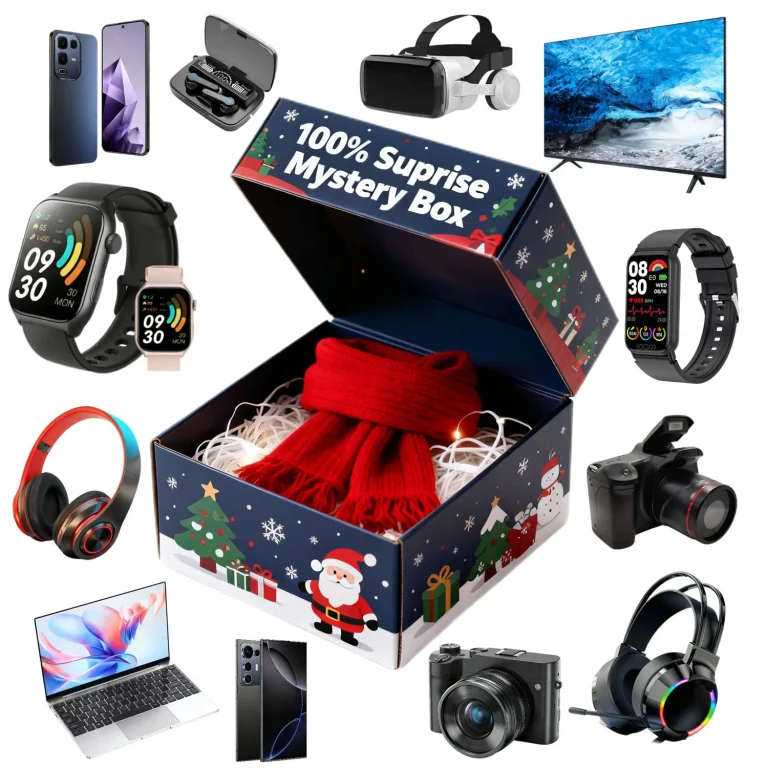
Note: A large surprise box carries an expectation problem when you give it as a gift. The carton promises more than a small one before anything is opened, and if the contents are the same handful of accessories, the gap between the two is the disappointment. For presentation, a mid-size carton with one substantial item reads better than a big one with air in it.
The Same Words on Surprise Box Listings
The pattern repeats one shelf over. A large mystery box and a large surprise box are the same claim in different wrapping, and a mini surprise box, a small surprise box, or a huge surprise box tells you exactly as much as its mystery-box equivalent, which is the carton, the rung, or nothing. The one honest difference is that surprise box listings skew toward gifts, so the size word is doing presentation work rather than describing stock. That makes the expectation gap sharper for you: a huge surprise box handed over in front of people has promised more before the lid moves than a small one has, and the same handful of items inside reads differently in each.
How to Read a Listing That Uses Size Words
- Find the item count as a number. "Several" and "loads" are not numbers. No count, no comparison.
- Find the condition. New, used, refurbished, or untested, stated rather than implied.
- Check whether the size word is a tier name. If small, medium, and large sit beside three prices, read what changes in writing between them.
- Look for stated dimensions. Rarely given, but if they are, compare them with the count. A large carton and a low count means you are paying for volume.
- Ignore the adjective. Once you have the count and the condition, the word has done its only job, which was getting you to the listing.
When Physical Size Does Matter to You
Size words are not information about contents, but the physical size of the parcel is occasionally the point. Presentation. A box you will open in front of people benefits from not looking thin. That argues for a mid-size carton, not a giant one. A countdown. If you will break the box into daily parcels, a higher count in a compact carton is what you want; the method is in building a countdown from one mystery box. Storage. A big surprise box has to live somewhere in your house until it is opened. Carriage you pay. If postage is added at checkout, a big carton is a bigger bill for the same goods.
What the count itself should be for a given occasion is a separate decision, covered in choosing an electronics mystery box gift size. For the high-count end of the market, where "big" often means twenty-plus small items, the trade-offs are in mystery boxes with 20 or more items. Mewoo sidesteps the adjective entirely: every tier is named by its count, from 1 to 12 items, so the number you compare is the number on the product name.
FAQ
What is the difference between a big mystery box and a mini mystery box?
Most of the time, the cardboard. Sometimes the price bracket. Neither word tells you how many things you will get. A "big" listing can be a roomy carton with padding around four or five accessories, while a "mini" box packed to a small-parcel rate can hold more usable pieces because none of the price went on empty space. The two figures that matter to you are the stated count and the stated condition.
Does a bigger mystery box contain more items?
Not by default. A larger carton costs the seller more to post, because carriers bill on volume as well as weight, and that postage comes out of the same pot as the goods you receive. So the roomier parcel often arrives with fewer or cheaper items for your money. Unless the listing gives you a number of items, "bigger" describes the parcel on your doorstep and nothing more.
What is a mini blind box?
A collectible-toy format: one small figure from a numbered series, sealed so you do not know which one you got. "Mini" refers to how tall the figure is; every such box holds exactly one. It is an entirely different product from a mini mystery box of assorted gadgets or accessories, and you should not compare the two on the shared word.
Is a giant mystery box worth it?
Decide it as a licensed toy, not as a lucky dip. Almost everything sold under that phrase is a branded line from a video creator, with a published contents list and an audience of children who follow the channel. If your child watches the channel, it is a known product at a known price. "Giant" is part of the brand name there and tells you nothing about any unbranded box.
Is a large surprise box better as a gift?
Frequently worse. A big carton makes a promise before the lid comes off, and if the same handful of accessories is inside, the size of the box becomes the size of the letdown. A mid-size box holding one substantial item lands better in front of people, and if you are paying postage at checkout, it is cheaper to send too. Buy for what the contents look like once opened, not for the silhouette on the doorstep.
What should I look for instead of the size word?
Three things: how many items, in what condition, and, if the seller is using size words as price tiers, the concrete differences the listing spells out from one tier to the next. Those are promises a seller can be held to. "Big", "mini", "huge", and "small" cost nothing to type and commit to nothing, so give them no weight when you compare two listings. They got you to the page; the count and condition decide whether you stay.
Final Thoughts
Big and mini describe cartons, price rungs, or figure sizes, never contents. Carriers charge for volume, so a large carton is paid for out of the same money as your goods, and a compact box of dense accessories can hold more than a hollow big one. Read the count and the condition, treat the adjective as the thing that got you to the page, and buy mid-size for anything you will open in front of people.
Mewoo names every tier by its item count, so there is no adjective to decode: Triple Reveal Electronics Mystery Box (3 items) and Party Electronics Mystery Box (6 items). Compare every tier side by side on the electronics mystery box category page.
On this site the size is just the item count, from: Electronics Blind Box (2 items) and Perfect Ten Electronics Mystery Box (10 items).
See item counts by box →