Hobby Mystery Boxes: Why a Narrow Category Works Better for You

A fishing mystery box has an advantage no general assortment can buy: the seller can ask what you fish for. Species, water, season, three answers, and the box can be matched to you. A broad "tech" or "lifestyle" box cannot be matched to anything, because there is nothing to match against. That one structural difference explains why hobby mystery boxes tend to satisfy where general ones disappoint, and it also marks exactly where they fail you.
The Matching Problem, and Who Can Solve It
Every mystery box seller faces the same problem: it does not know you. A general seller solves it by shipping things almost anyone could use, which is why broad boxes fill with cables and cases. That is not a failure of imagination. It is the only rational move when the buyer is a stranger. A hobby seller has a way out. If you fish, the seller knows more about what you want from one word, bass, trout, saltwater, than a general seller could learn from a questionnaire. The category itself carries the information. A fish mystery box built for bass anglers can be wrong in detail and still be right in kind, and "right in kind" is the thing a broad box cannot promise you.
Why Narrow Beats Broad
- A narrow category lets the seller match to you; a broad one forces it to guess.
- Consumables, lures, thread, filters, get used up, so duplicates stop being waste.
- Your own expertise filters the box, which makes disappointment rarer and sharper.
- The transferable rule: whatever you buy, prefer the narrowest range on offer.
Consumables change the duplicate arithmetic
In a general electronics box a second identical cable is dead weight to you. In a fishing mystery box a second identical lure is stock: lures get lost, snagged, and chewed, so a duplicate is a spare rather than a surplus. In a yarn mystery box or a fabric mystery box a second skein or fat quarter is simply more of the same project. The same holds for filters and beans in a coffee box, wax and chalk in a climbing box. That is a bigger deal than it sounds, because duplicates are the commonest complaint about assortments. A category where the goods are consumed removes the complaint at the root rather than by better sorting.
You already know the range
A general buyer opens a box and asks "what is this?". A hobbyist opens one and asks "is this any good?". The second question is harder to satisfy and easier to settle, because you can tell immediately. Hobby boxes therefore disappoint less often and more precisely: when they miss, you know exactly why, which is information a seller can act on.
Seasonality is a feature
Fishing, gardening, and outdoor boxes can be built to your calendar: what is biting this month, what to plant now. A general box has no calendar to follow. Timed content is one of the few ways a subscription stays interesting past its fourth month, a problem discussed in month four of a mystery box subscription. A fishing mystery box subscription has a structural excuse for month four that a general one lacks: the calendar moves, the consumables run out, and the seller can rotate species or water type without repeating itself. That does not make it immune to the drawer problem, but it delays it considerably.
Where Hobby Boxes Still Fail You
Narrow is better, not perfect. Three failure modes are specific to the format. Skill mismatch. A box built for a beginner bores an expert, and one built for an expert baffles a beginner. Sellers who ask your level are addressing this; sellers who do not are shipping to the middle. Brand loyalty. Hobbyists often have strong preferences, a rod maker, a yarn weight, a bean origin, that a box cannot honour without becoming a chosen gift. If you or the recipient only use one brand, the format is wrong. Kit you already own. Narrow categories run out of novelty. Someone who has fished for twenty years owns most of what a tackle box could contain, and only the consumables still land.
| Category | Can be matched to | Consumable share | Main risk for you |
|---|---|---|---|
| Fishing | Species, water, season | High: lures, line, bait | Skill level, local regulations |
| Craft / fabric / yarn | Craft, skill, colour | High: thread, fabric, paper | Colour taste, project scale |
| Coffee / tea | Roast, origin, method | Total | Strong existing preference |
| Fitness | Activity, level | Medium: tape, snacks | Gear you already own |
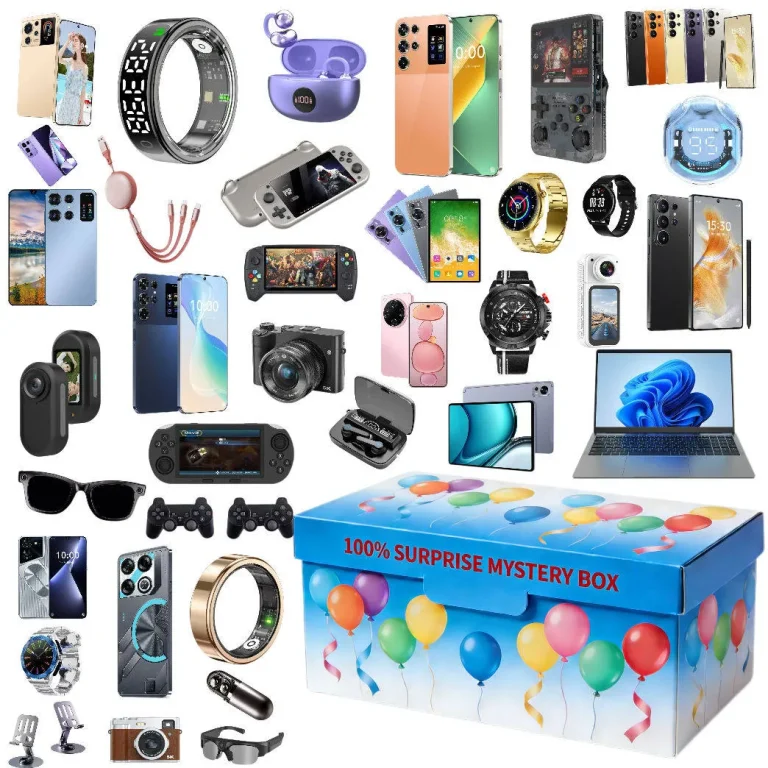
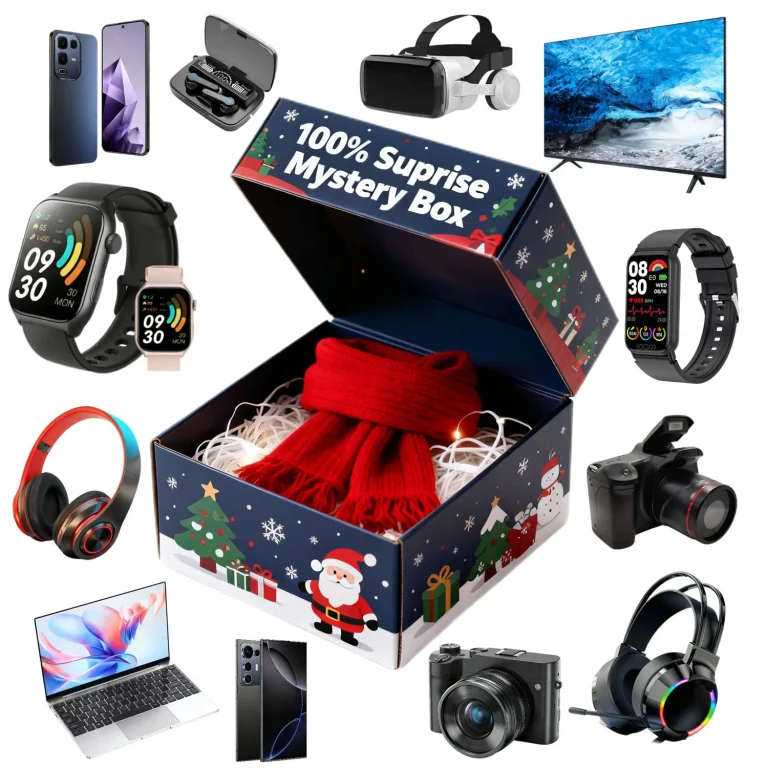
| General electronics | A broad category only | Low | Duplicates, irrelevance |
Note: Some hobby goods are regulated or restricted by location: certain fishing baits and hooks, knives, some chemicals in craft and finishing kits. A hobby box seller shipping across borders should tell you what it excludes and why. If the range is "anything for the hobby", assume the seller has not thought about it.
The Lesson for Any Mystery Box You Buy
The hobby format works because the category is narrow enough to carry information. That principle transfers to you. When buying any assortment, prefer the narrower stated range. "Phone accessories" beats "tech"; "wireless audio" beats "phone accessories". Each step narrower gives the seller less room to guess and you more certainty that every item is at least the right kind of thing. The reasoning behind reading a category range this way is in what "tech" covers on a mystery box listing. And when a seller offers to narrow on request, a species, a level, a category you name, take it. That is the hobby advantage made available to a general box, and it is the single most useful thing a seller can offer short of letting you choose. Mewoo does not sell hobby boxes, but it applies the narrowing rule as far as an electronics range allows: the men's 3-item box weights toward gaming, audio, and desk items, the women's toward everyday-use accessories, and the one category it never ships, power banks, is stated on the page.
Buying One Well
- Answer every matching question the seller asks. Species, level, size, method. Each one narrows the guess.
- Check the consumable share. A box that is mostly consumables ages well; one that is mostly equipment runs out of novelty.
- Ask what is excluded and why. Regulated items, brands, sizes.
- For a gift, name the hobby and the level, not the person. "Beginner fly fishing" tells a seller more than a name and an age.
- Compare against a general box on match, not on count. Five right-kind items beat eight guesses.
How the other broad categories, clothing, beauty, electronics, each fail you in their own way is covered in what changes between mystery box categories.
FAQ
Are hobby mystery boxes better than general ones?
Most of the time, and for a reason you can point to. Tell a hobby seller what species, what level, what method, and they can build a box around you. A general seller has nobody to build around, so they pack whatever the widest audience might tolerate. Hobby boxes also run on consumables, which turns a repeat item into a spare instead of clutter. Where they still let you down is skill level and loyalty to a particular brand.
What is in a fishing mystery box?
Lures, hooks, swivels, line, and the small tackle you go through in a season, usually sorted by target (a bass box looks nothing like a trout box) and sometimes by month. Sold as a lure box, a tackle box, or a fishing surprise box, it is the same product. Because most of it gets used up, a repeat is welcome. The one thing to check before you buy is whether the seller asks what you fish for.
Why do duplicates matter less in a hobby box?
Because you will use them up. A second identical lure will be lost to a snag by midsummer, a second spool of thread goes into the next project, a second bag of beans gets drunk. Compare that with a second identical charging cable in a gadget box, which has nowhere to go but a drawer. Duplicates are the complaint people make most about assortments, and a category built on consumables makes the complaint disappear rather than merely shrink.
Is a craft or fabric mystery box worth it?
It can be, on two conditions. The seller has to ask about your craft, your skill, and the colours you actually work in, and the contents have to be mostly materials, fabric, thread, paper, rather than tools you already own three of. Where these boxes go wrong is colour and scale: a palette you would never use, or a project-sized cut when you wanted scraps. A seller who ships one palette to everyone is guessing, which defeats the point.
What is the main way a hobby box disappoints?
Two ways, and neither is about quality. The first is level: beginner gear bores someone with twenty years in, and expert gear confuses someone in their first month, so prefer a seller who asks how experienced you are. The second is loyalty. If you only ever fish one maker's rods or drink one roaster's coffee, no random box will get that right, and for you or for a recipient like that, a chosen gift beats any assortment.
Can the hobby-box advantage apply to an electronics box?
Some of it. You cannot make gadgets consumable, but you can make the category narrower, and that is most of the benefit. Choose "wireless audio" over "phone accessories", and "phone accessories" over "tech", because each step down leaves the seller less to guess and you more confidence that every item is the right sort of thing. A seller who narrows on request, or states which categories it never ships, is offering the same advantage in electronics form.
Final Thoughts
Hobby boxes win because the category carries information the seller can act on, and because consumables turn duplicates into spares. They lose on skill mismatch and brand loyalty, which no assortment can honour. The transferable rule for you is simple: whatever you buy, prefer the narrowest range on offer and answer every matching question the seller asks. Five right-kind items beat eight guesses.
If what you want is an electronics box with the range narrowed as far as it goes: Men's Electronics Mystery Box (3 items) and Women's Electronics Mystery Box (3 items). Compare every tier side by side on the electronics mystery box category page.
See boxes by stated category →