Unclaimed Mail Mystery Boxes: Where They Really Come From
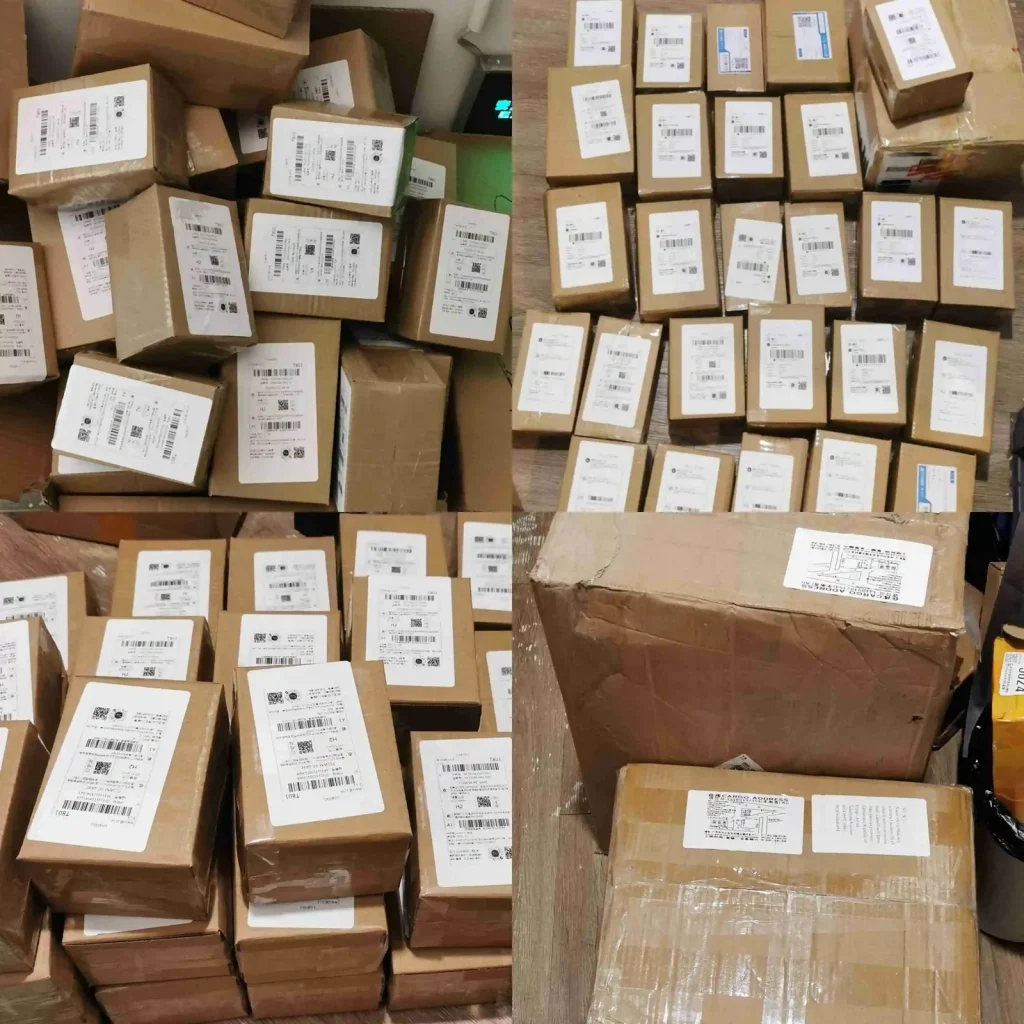
"Unclaimed mail mystery box" is one of the most-searched phrases in this category, and it describes something real: the US Postal Service does sell undeliverable parcels it cannot return. But the $30 box you can buy online is not that. It sits at the end of a chain with at least two commercial buyers between the post office and you, each of whom opened, sorted, and priced the goods first. Knowing the chain tells you what is left for you.
The Real Channel Exists
Mail that cannot be delivered and cannot be returned to the sender is routed to the USPS Mail Recovery Center in Atlanta, the facility once called the Dead Letter Office. Staff there open parcels looking for anything that identifies the sender or the recipient, so nothing reaches you unopened. Items judged to have value above a modest threshold are held for a period so that a missing-mail search can reunite them with their owner. Items with no value are recycled or destroyed. What is not claimed is sold. USPS contracts the sale to GovDeals, an online government-surplus auction platform, which lists the goods in lots. Historically these were live monthly auctions at the Atlanta facility; they have since moved online. The lots are sorted by category, with reporting on the auctions describing "the book people, the jewelry people, the electronics people" as distinct bidder groups, and bidders inspect by appointment or from photographs that show the surface of a lot rather than everything beneath it. So the phrase points at a genuine supply. The question for you is how far the $30 box is from it.
The Chain Between the Auction and You
- USPS does sell undeliverable mail, in category lots, by online auction, to wholesale bidders.
- By the time it is a retail "unclaimed mail" box, at least two buyers have opened and sorted it.
- Most retail boxes under this name are ordinary returns and overstock with a better story attached.
- Judge it on count, condition, and price, exactly as you would any other assortment.
Step one: the lot buyer. Whoever wins a GovDeals lot is buying pallets, not boxes, and is doing so as a business, not as a shopper like you. Their first job on collection is to sort: identify what has resale value, list it individually, and set the remainder aside. Anything with a brand, a model number, or a clear market price leaves the pile at this stage and is sold on its own listing where it earns far more than it would inside a mystery box. Step two: the repacker. The remainder, unidentifiable, low-value, or too plentiful to list one at a time, is sold on, often by the pallet again, to sellers who assemble mystery boxes. They add the branding, the "unclaimed" story, and the retail price you see. Step three: you. By now the goods have been opened at least twice, sorted twice, and every item anyone could price has been removed. That is not fraud. It is what a rational business does with a lot it paid for. But it means your box is built from what two sets of professionals chose not to sell individually. The same logic applies to every random assortment; the reasons a seller cannot both identify a valuable item and leave it in a blind box are set out in how a mystery box company actually works. The unclaimed-mail story simply adds a step to the same chain.
What the Word "Unclaimed" Is Doing on the Listing
Look at the retail listings you find under this phrase and a pattern appears: "unclaimed / overstock / returned / random items". The word is one of a list, and the list is the honest part. Most boxes sold this way are a blend of customer returns and overstock from ordinary liquidation channels, with a proportion, sometimes zero, of goods that ever passed through a postal facility. The story does something specific for the seller. A box of returns invites you to ask "why were these returned". A box of unclaimed mail does not, because the implied answer is that nothing was wrong with the goods, only with the address. It is a better narrative for the same stock, aimed at you, and it is why the phrase has spread far beyond anything the auctions could supply. What returns actually contain, and why the mix skews the way it does, is in what is actually inside a box of returns. Treat an unclaimed-mail box as that article's subject with a different label, unless the seller can show you otherwise.
What Genuinely Reaches a Retail Box
| Item type | Leaves the chain at | Reaches your box? |
|---|---|---|
| Branded electronics with model numbers | Lot buyer, listed individually | Rarely |
| Jewelry, watches, anything assayable | Lot buyer; sold in its own category lot | Almost never |
| Books, media | Sold as their own lots to specialist bidders | Occasionally, as filler |
| Clothing without tags | Repacker | Often |
| Generic accessories, cables, cases | Repacker | Very often |
| Small unbranded goods | Nobody; this is the residue | This is the box |
Read down the right-hand column and your box describes itself. What arrives is what survived two sorts by people whose income depends on not missing anything, and the honest expectation for you is generic, low-value, and mostly unbranded: the same profile as a cheap general assortment, with the difference that condition is less certain and packaging is often absent.
Note: Goods that genuinely passed through the postal system arrive with a specific tell: the original packaging is usually gone. Mail Recovery Center staff open parcels to search for addresses, and lot buyers open them again to sort, so by the time it reaches you the box is long gone. An "unclaimed mail" box where every item is in pristine retail packaging is telling you it came from overstock, not from the mail.
How This Differs From a Liquidation Pallet
The genuine article, a category lot from the auction, is closer to a liquidation pallet than to a mystery box, and you should judge it that way. It is bought unsorted, by weight or by count, with no manifest, and you would be paying for the labour of sorting it yourself. The comparison between that kind of purchase and a consumer mystery box is in mystery box vs liquidation pallet. The retail box inverts every one of those properties. It is small, sorted, priced per unit, and sold to you because you do not want to do the work. That is a legitimate product. It is just not the thing the name describes, and the gap between the two is where your disappointment comes from.
Three Questions That Settle It
- "Where do you source?" A seller who buys auction lots will tell you so and may name the platform. A seller who buys pallets from a liquidator will usually say "overstock and returns", which is the honest answer for most of this category.
- "Is the packaging original?" Original packaging on everything means overstock. Mixed or missing packaging is consistent with either returns or mail.
- "What is the stated count and condition?" The same two numbers that matter to you in any assortment. If the listing leans on the story and omits these, the story is doing the work the numbers should do; the checklist is in what makes a mystery box good.
Is It Worth Buying?
As a cheap general assortment with a story, sometimes. The goods are real, the price is usually low, and if you enjoy sorting through a random pile of small items you will get what you paid for. As a route to finding something valuable that slipped through, no. Two sets of professionals have already looked, and the box exists because they finished. The same reasoning applies to vintage lots and thrift assortments, and it is worth you internalising once: a blind assortment is assembled from what nobody upstream could price, and hoping otherwise is betting on their mistake rather than on the contents. Buy it for what it is, cheap, random, unbranded, and mostly out of its packaging, and it is a reasonable purchase. Buy it for the word on the listing and it will disappoint you. And if what you actually want is a box of electronics that are new, in their packaging, and checked before they ship, that is a different product with a different source: factory-direct accessories rather than anything that has been through a sort, which is how Mewoo's tiers are assembled.
FAQ
Are unclaimed mail mystery boxes real?
The source is real; the box you are looking at is something else. USPS does send undeliverable parcels to its recovery centre in Atlanta and auctions what nobody claims, in category lots, through GovDeals. A $30 retail box sits two businesses downstream of that sale, and both of them opened and sorted the goods before repacking. What you usually get under that name is returned and surplus stock wearing a more appealing label.
Can I buy unclaimed mail directly from USPS?
Not one parcel at a time. The sales run through GovDeals as pallet-sized lots grouped by category, electronics, books, jewelry, and bidders either visit by appointment or work from photos that show the top layer and nothing underneath. It is a trade purchase aimed at resellers, much closer to buying a liquidation pallet than a mystery box, and if you win one, the sorting, the listing, and the risk are all yours.
What is usually inside an unclaimed mail box?
What two professional sorters decided was not worth listing on its own: cables, cases, generic accessories, clothing with the tags cut off, and small no-name goods, frequently without their original packaging. Anything with a recognisable brand, a model number, or a quick resale price was pulled out and sold individually long before your box was packed, because it fetches far more that way than buried in a random assortment.
Why is original packaging a clue?
Because genuine postal goods get opened twice before they reach you: once by recovery centre staff hunting for an address, and again by whoever bought the lot and needed to sort it. Items that have actually been through that process turn up loose or repacked. So if every item in your box is sitting in untouched retail packaging, it came from an overstock or returns liquidator, no matter what origin story the listing tells.
Is an unclaimed mail box better than a returns box?
They are usually the same box. Read the listing closely and you will find "unclaimed, overstock, returned, random" in a single line, and the last three words describe nearly all of the contents. Sellers lead with "unclaimed" because it suggests the goods were fine and only the address was wrong, which is a nicer thought than "somebody sent this back". Ignore the framing and compare the two on count, condition, and price.
Could something valuable have slipped through?
It can happen, and it is no way to shop. The lot buyer and the repacker both make their living by spotting and pricing anything of value, and your box is literally what remained once they had finished. Buying blind in the hope they missed something is a bet on their carelessness, not on the contents, and it is the same trap as trawling vintage lots for a rarity. If you want something specific, buy it identified.
Final Thoughts
USPS really does auction undeliverable mail, in category lots, to wholesale bidders, and the retail "unclaimed mail" box is two sorts and two markups downstream of that. Expect generic, unbranded, often unpackaged goods at a low price, judge it on count and condition like any other assortment, and treat the word on the listing as marketing for the same stock a returns box contains. If you want new, checked electronics, buy the product that is sourced that way.
If what you want is new electronics in their packaging, checked before dispatch, from a factory-direct source rather than a sort: Triple Reveal Electronics Mystery Box (3 items) and Party Electronics Mystery Box (6 items). Compare every tier side by side on the electronics mystery box category page.
See boxes with stated count and condition →