Technology Mystery Box vs Electronics Mystery Box: Is There a Difference?

Search for a "technology mystery box", a "tech mystery box" and an "electronics mystery box" and you land on the same page three times, which raises the question of whether the words mean anything. Mostly they do not: sellers use all three for one product. What does differ, and matters far more to you, is the model behind the page. Here is what the names cover, where the real split is, and how you tell which you have found.
Three Names, One Product
Read enough listings and you will see the pattern. A shop that ships physical boxes calls them electronics mystery boxes on the product page and tech mystery boxes in the blog post; an online opening site files the same idea under "technology" as a category next to "sneakers" and "gaming"; a marketplace seller uses whichever word the last buyer searched for. None of the three carries a fixed definition, and no standard body or trade rule assigns one. When you see "technology", you are not being promised laptops instead of cables, and when you see "electronics", you are not being promised anything cheaper. The word was chosen for search, not for content.
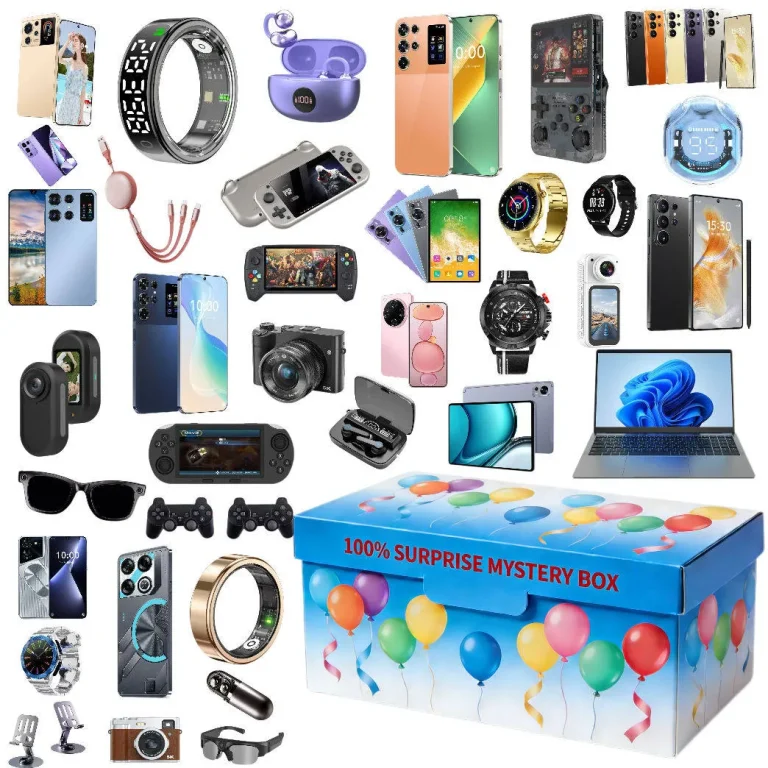
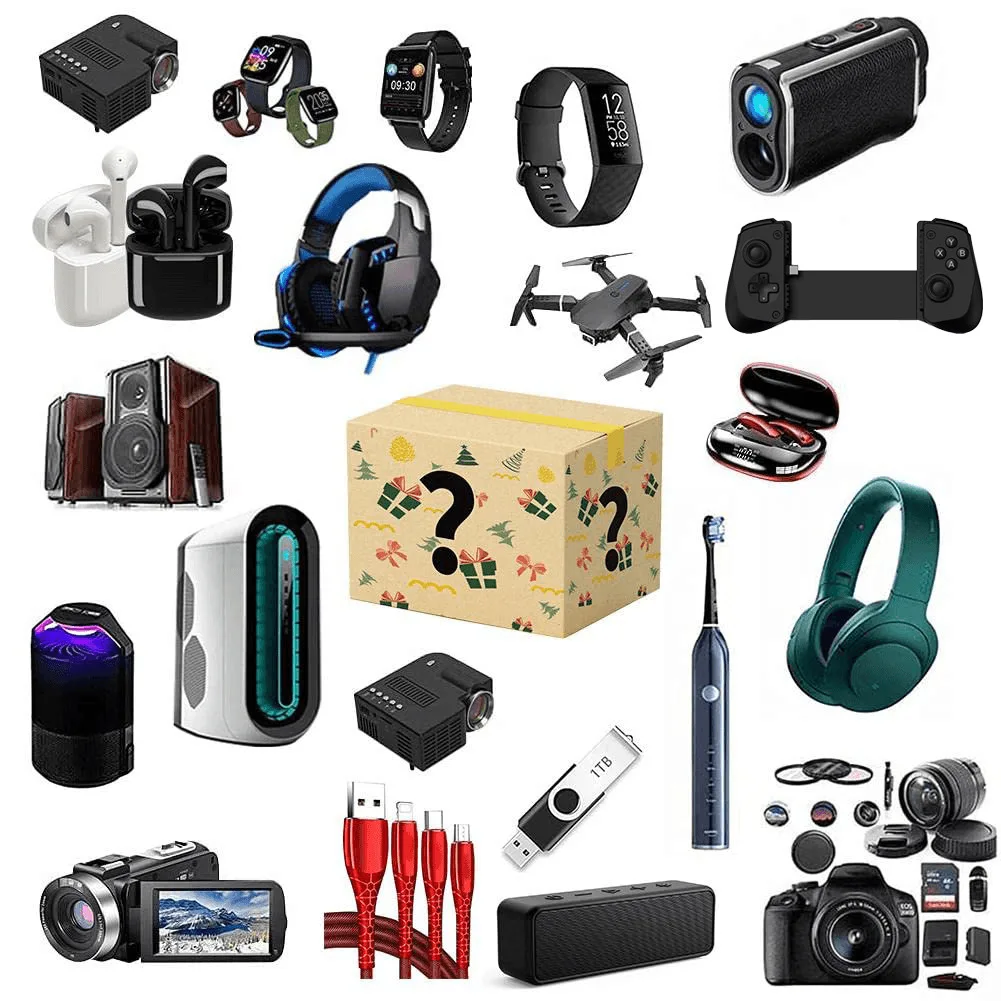
What the names have in common is the category they gesture at: consumer gadgets and their accessories. Earbuds, speakers, chargers, cables, small smart-home devices, phone accessories, the occasional smartwatch or handheld console at the top tiers. What is actually in a box at a given price, with three opened examples, is in what is inside a $30 electronics mystery box: three real examples, and it does not change with the adjective on the page.
Where the Real Split Is
- "Technology mystery box", "tech mystery box" and "electronics mystery box" are interchangeable in seller usage; no name promises better or different contents.
- The split that matters is the model: a physical box shipped sealed to you, or an online draw where you pay to open a virtual box and the site ships or credits what you win.
- You tell them apart in a minute from the product page: a stated item count with a shipped carton, or an "open" button with odds and a cash-out option.
Two very different businesses sell under these names, and the adjective will not tell you which you have found. The first is a shop that packs a physical carton with a stated number of items and ships it to your door, sealed; you find out what is inside when you open it. The second is a website where you pay a fee to "open" a box on screen, an animation reveals one item from a listed pool with published odds, and you can then have it shipped, exchange it for site credit, or sell it back at a discount. The first is retail with a surprise; the second is closer to a prize draw, and it is regulated, taxed and reviewed as one in several places. The mechanics of the second, and the questions to ask before you pay, are in online mystery boxes: how the open-then-ship model works.
Most of the disappointment you read about in reviews comes from mixing the two up. Someone buys a physical box expecting the headline prize from an online site's pool, or opens virtual boxes expecting a parcel of several gadgets. Neither seller lied; the buyer read the name and assumed the model.
Telling Them Apart From the Page
| What you see on the page | Physical shipped box | Online opening site |
|---|---|---|
| What you pay for | A carton with a stated number of items | One "open" of a virtual box |
| What you get | Every item in the carton | One item from a pool, by chance |
| Odds | None to publish; you get the whole box | Published percentages per item |
| Cash-out or exchange | No; a refund is a refund | Yes, usually for site credit or a cut price |
| Shipping | Included or stated once, for the box | Charged per item you choose to ship |
| Price range | Typically $10 to $100 per box | From a few dollars to thousands per open |
| Headline item | A category description, such as "audio and charging" | A named flagship phone or console with low odds |
| Who it suits | A gift, a first try, a small reseller wanting stock | Someone who enjoys the draw itself |
Read the odds row first. A page that publishes percentages next to items is an opening site whatever it calls itself, and a page that states a count and ships a carton is a shop whatever it calls itself. The cash-out row is the second tell: a physical seller cannot buy back an item you have not received. Read the headline item row for the reason the two get confused: a picture of a flagship phone at the top of an opening page is the rarest outcome in its pool, and a physical box at $30 will not contain one, ever, from any seller. What "guaranteed value" means on either kind of page, and what it cannot mean, is in "guaranteed value" on a mystery box: what the claim can and cannot mean.
Note: A third use of the words exists and is worth naming so you can set it aside: the "mystery box gaming" sites that sell chances at gaming hardware are opening sites with a gaming pool, not boxes of gaming accessories, and a "gaming mystery box" from a shop is a physical carton of controllers, headsets and cables. Same confusion, different adjective; it is untangled in "mystery box gaming" sites vs gaming mystery boxes: not the same product.
Which One You Want
If you want to receive gadgets, you want the physical box, and the name on it is irrelevant. Choose it the way you would choose any product from an unfamiliar shop: a stated count, stated categories, a price that makes sense for that count, a faults window in days, and a seller who says how the items are checked before they go in. The nine checks that sort a good shop from a poor one are in how to choose a mystery box: nine checks before you buy, and they work on every "tech", "technology" or "electronics" page you will meet.
If what you want is the moment of the draw, the animation and the chance at the flagship, you want the opening site, and you should treat the fee as entertainment spending rather than shopping. Read the odds, notice that the average outcome is below the fee by design, and decide whether the evening is worth it. Nothing wrong with that choice; it is simply not the same purchase, and a physical box will disappoint you if that is what you were after.
Why the Names Will Not Settle Down
Search engines are the reason you see all three. A seller who writes "electronics" loses the buyer who typed "tech", so pages carry every variant, and category names on opening sites are picked to match what people search for rather than to describe a product class. That is why you will keep seeing "technology mystery box" as a heading over a page that then says "electronics" in every sentence. The habit is harmless once you know it, and it means you can stop treating the adjective as information and read the page for the two tells instead.
What This Means When You Order
You should read past the name to the model: if a page states a count and ships a carton, you are buying goods and the ordinary checks apply; if it publishes odds and offers a cash-out, you are buying a chance and the fee is the price of the draw. Mewoo sells the first kind, states the count and categories on every tier and tests devices before dispatch, and any physical seller should tell you the same in the same place. Whichever you choose, choose it knowing which it is.
FAQ
Is a technology mystery box different from an electronics mystery box?
Not in any way you can rely on. Sellers swap the two words, and "tech", freely across the same product, and no standard defines a difference between them. The heading carries no promise about the grade or type of gadget inside, whichever word it uses. Ignore the adjective and read the page for what actually matters: whether it ships a carton with a stated count or sells a chance to open a virtual box.
What is the difference between a physical mystery box and an online one?
A physical box is a sealed carton holding a fixed number of items that a shop posts to you, and you receive everything inside. An online opening site charges per "open", reveals one item from a listed pool at published odds, and lets you ship it, swap it for credit or sell it back. One is retail with a surprise; the other is a prize draw with delivery attached, and a single open can cost more than a whole carton.
How can I tell which kind of site I am on?
Two tells, both visible without buying. Percentages beside the items mean an opening site; a shop has no odds to publish because it sends you everything. A control for exchanging, cashing out or selling back a win also means an opening site, since goods you have not received cannot be bought back. Where instead you find a fixed item count and one shipping line for the parcel, you are on a shop.
Does a "tech mystery box" ever contain a phone or a laptop?
A physical box at ordinary prices does not, from any seller; the arithmetic of a $30 carton rules it out, and a shop that shows a flagship phone on the listing is decorating rather than describing. Opening sites do list such items, at odds that are usually a fraction of a percent, which is why the picture sits at the top of the page. Treat a headline device as the rarest thing in the pool.
Which is better value, a shipped box or an online draw?
They are not measured the same way. A shipped box is judged like any purchase: are the items worth roughly the price, and will you use them. An online draw is built so the average outcome is worth less than the fee, which is how the site earns; you pay for the chance and the moment. For gadgets in hand, the carton is the better buy. For the draw itself, value is the wrong word.
Why do sellers use so many different names for the same box?
Because buyers type different words into search engines, and a listing that carries only one of them loses the people who used the others. So a page will be headed "technology", describe "electronics" in the text and tag itself "tech" in the menu. It is a marketing habit rather than a product distinction, and once you know that, the word in the heading stops carrying information and the count, the odds and the cash-out button carry all of it.
Final Thoughts
"Technology", "tech" and "electronics" are three search words for one category of box, and none of them tells you what you will get. The split that does is the model: a sealed carton with a stated count shipped to you, or a paid draw on a screen with published odds and a cash-out. Look for the odds and the sell-back button, decide which purchase you actually want, and then apply the ordinary checks to the page in front of you.
If you want the physical kind, with the count and categories stated and devices tested before dispatch, start with the Triple Reveal Electronics Mystery Box (3 items) or the Party Electronics Mystery Box (6 items). Compare every tier side by side on the electronics mystery box category page.
See how an electronics mystery box works →