How New Blind Box Releases Work
New blind boxes do not simply appear on a shelf. They arrive through a release cycle with distinct stages, announcement, preorder, drop, restock, and eventually discontinuation, and the stage you buy at decides the price you pay, how long you wait, and whether you get anything at all. Knowing the cycle is most of the skill, and knowing that most series never sell out is the rest of it.
The Five Stages
Nearly every series moves through the same sequence, whatever the manufacturer. Announcement. The roster is revealed, sometimes with the chase variant hinted rather than shown, along with any "big" or "mini" variants, labels that describe packaging size rather than value, as explained in what "big" and "mini" mean on a listing. Nothing is for sale. This is when your demand gets built. Preorder. You pay now for stock that does not exist yet. The manufacturer uses your money and the order count to decide production volume. Drop. The general release. Everything that was not preordered goes on sale at once, and popular series sell through in hours. Restock. A second production run, weeks or months later. Sometimes it happens; sometimes it never does. Discontinuation. Production ends. What exists is what exists, and the secondary market takes over from here.
Preorder Is the Real Decision
- A preorder is your money now for goods that may be months away.
- Restocks are a commercial decision, not a promise; plan as if none comes.
- Buying at the drop is the best price you will see if it sells out.
- Most series never sell out, so wait unless scarcity is designed in.
Preordering is where most of the risk in this cycle sits for you, and it deserves to be understood rather than treated as ordinary shopping. You are paying in advance for something that has not been manufactured. The window between payment and delivery is routinely two to four months, and during that time your money is with the seller while you hold nothing. Two things follow. First, use a payment method that protects you across a long window; the protections differ substantially and are set out in which payment methods actually protect you. Second, note the stated shipping window in writing, because "expected March" is the kind of estimate that quietly becomes May.
What you get in exchange
Preorders are not a trap; they buy you real things. You get guaranteed allocation on a series that may sell out, occasionally a preorder-exclusive item, and sometimes a lower price than the drop. The trade is straightforward: certainty of supply in exchange for uncertainty of timing. That is a reasonable trade for a series you are confident about, and a poor one for a series you might change your mind about.
Do Not Count on a Restock
This is the assumption that causes you the most disappointment. A restock is a commercial decision made after the drop, based on how the first run sold and whether the factory slot is worth using. Manufacturers frequently decline to restock precisely because scarcity is what makes the series valuable; reprinting would undo the thing that made the first run sell. So "I will get it next time" is a plan with no supplier behind it. If a series matters to you, the drop is the moment; if it does not matter enough to buy at the drop, it probably does not matter enough to chase at resale prices later.

Where the Price Sits at Each Stage
| Stage | Price you pay | Availability | Main risk |
|---|---|---|---|
| Preorder | Retail, sometimes lower | Guaranteed | Long wait, delays |
| Drop | Retail | Minutes to days | Missing it entirely |
| Shortly after drop | Retail, thinning stock | Picked over | Worse odds on a display bin |
| Restock | Retail | May never happen | Waiting for nothing |
| Secondary market | Above retail if popular | Always | Counterfeits, condition |
Notice that the only stage where you both get stock and pay retail is the drop. Everything before it costs you time; everything after it costs money or luck. Where you buy the drop matters too: a physical shop lets you see how far a display has been picked over, and an online listing does not, a difference set out in buying from a blind box store vs online.
Note: "Picked over" is a real cost at the third stage, not a figure of speech. Where contents can be identified through packaging, the good units go first, so late stock from an open display carries genuinely worse odds for you at the same price. The mechanism is explained in what the packaging changes.
How Assortments Differ
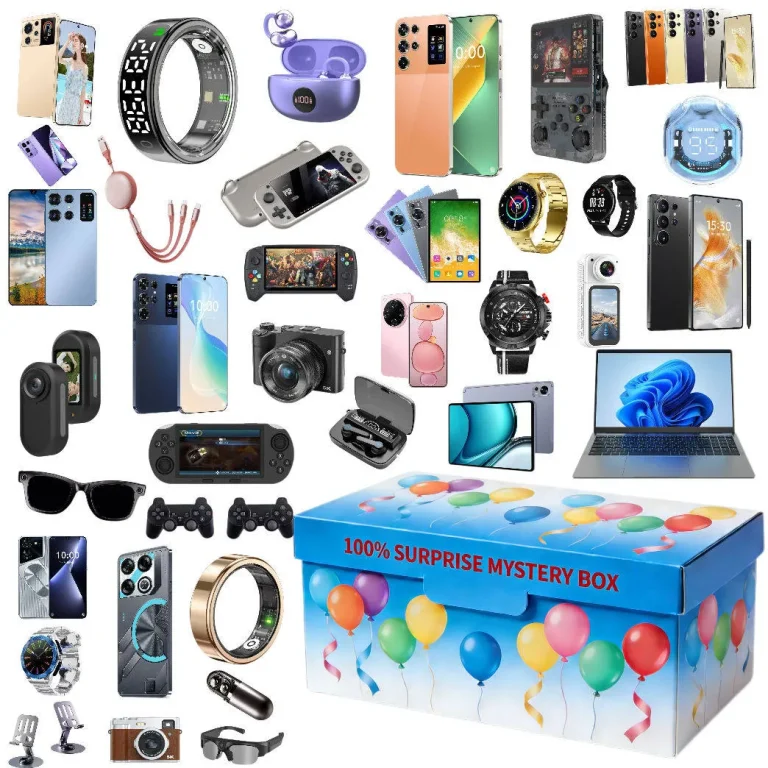
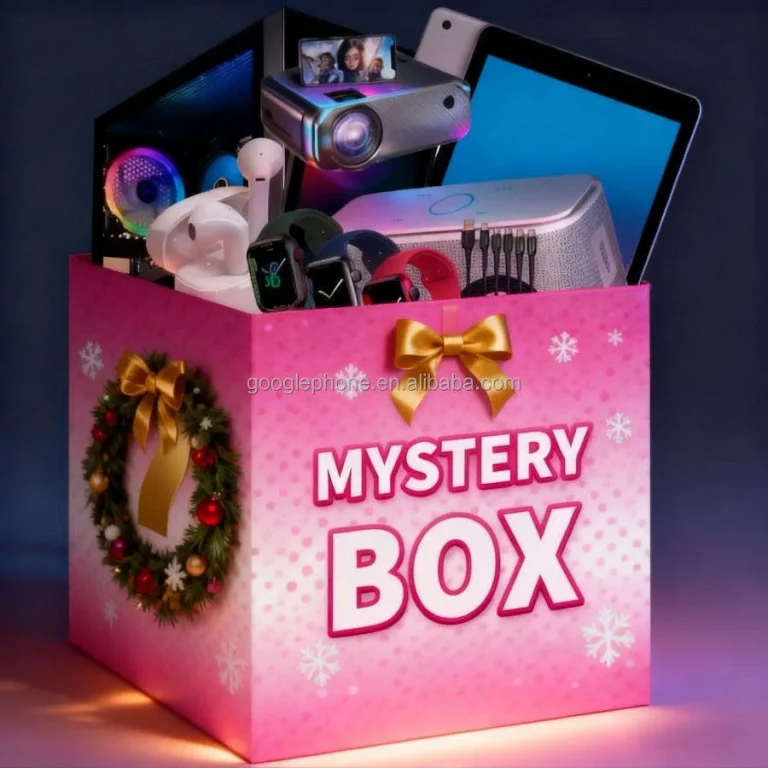
General mystery boxes have no release cycle at all, and the contrast is instructive. An electronics assortment is restocked continuously against whatever is available at wholesale. There is no announcement because there is no roster to announce, no drop because supply is not batched, and no discontinuation because the product is defined by its category rather than by its contents. That removes every timing decision described above. You cannot buy an assortment "early" or "late", and there is no advantage to watching for a release. The only timing that matters is your own deadline, worked backwards from the dispatch and transit windows. It also means an assortment never becomes unavailable, which is a genuine convenience and the reason the category exists in the shape it does, explained further in how a mystery box company actually works. Mewoo's tiers are that kind of product: in stock year-round, no drop to catch, and the only date you need is the one you work back from the stated dispatch and transit windows.
Regional Releases Are Not Simultaneous
One complication worth knowing before you set a reminder for a drop time. Series frequently release in their home market first and reach other regions weeks or months later, sometimes with different packaging, occasionally with a different roster. A date circulating online may be the origin-market date rather than yours. That produces two traps. You assume you have missed a drop that has not happened locally yet, or you import at a premium something that was about to arrive domestically at retail. Both are avoidable by checking which market a release date refers to before you act on it. Importing to beat a regional delay also carries the duty position that now applies to all sub-$800 US imports, which can erase the saving entirely; the detail is in US-shipped vs overseas mystery boxes.
Buying a New Release Well
- Decide at announcement, buy at drop. Use the announcement window to decide whether you want it, so you are not deciding under time pressure.
- Check whether the roster is complete. A hidden chase variant means the set is larger than shown.
- Preorder only what you are certain about. Long windows and changed minds are a bad combination.
- Get the shipping window in writing. Screenshot it. Preorder pages get edited.
- Assume no restock. If your plan depends on one, you do not have a plan.
- Buy a case if you want the set. The drop is the cheapest moment a case will ever be; see completing a blind box set.
The Honest Case for Waiting
Everything above pushes you toward buying early, so it is worth stating the opposite case fairly. Most series are not popular. The majority sit in stock indefinitely, get discounted, and are cheaper six months after release than they were at the drop. Buying every new release at launch is a reliable way to pay full price for things that were about to go on sale. The rule that follows is narrow rather than general: buy at the drop only when you have reason to believe the series will sell out. A named chase variant, a stated run size, an active community, or a manufacturer with a history of not restocking are the signals. Absent all four, waiting costs you nothing and usually saves money.
FAQ
How do new blind box releases work?
In five steps that nearly every maker follows. First the line-up is shown and nothing is on sale. Then preorders open and you can pay for stock that has not been made. Then the drop, when everything left goes on sale at once. Then, possibly, a second run. Then production stops for good and resellers take over. Which of those five you buy in sets your price, how long you wait, and whether there is anything left to buy.
Is preordering a blind box worth it?
When you already know you want the series, often yes: your allocation is locked in, there may be a preorder-only extra, and the price is sometimes lower than at the drop. What you give up is two to four months in which the seller holds your money and you hold a receipt. If there is any chance you will cool on the series before it ships, that is a bad trade; buy at the drop or not at all.
Will a sold-out series be restocked?
Assume not, and be pleasantly surprised if it happens. A second run is a business decision the maker takes after seeing how the first one sold and whether the factory time is worth spending, and makers often refuse precisely because a reprint would destroy the scarcity that made the series sell. If you tell yourself you will pick it up next time, notice that nobody has actually promised you a next time.
Should I buy at the drop or wait for a discount?
Wait, unless you can name a reason this particular series will sell out. Most do not. They sit on shelves, get marked down, and are cheaper half a year on than at launch, so buying every release on day one means paying full price for things about to be discounted. The signals that justify buying at the drop are a named chase figure, a stated run size, a busy community, or a maker known for never reprinting.
Why is late stock from a display worse?
Because if the contents can be felt or guessed through the packaging, the shoppers before you have already found the rare figures and taken them, and what you are looking at is what they left. The half-empty tray costs the same as the full one and looks just as innocent, but your odds on the design you want are worse. Buy from a display that has just been restocked, or a sealed case nobody has sorted through.
Do electronics mystery boxes have releases?
No. An assortment is topped up continuously from whatever wholesale stock is available, so there is no line-up to announce, no batched launch to queue for, and no end of production to fear. You cannot be early or late to one, and nobody else can beat you to it. What you plan around instead is delivery: if you need it by a date, order far enough ahead of the seller's dispatch and transit estimate.
Final Thoughts
Decide during the announcement, buy at the drop, and treat a restock as something that may never come. Preorder only what you are sure about, because two to four months is a long time for you to hold nothing. And for the majority of series that never sell out, waiting is the cheaper strategy; the drop is only urgent when scarcity is genuinely designed in.
If you would rather skip the cycle altogether, an electronics assortment is in stock all year with no drop to catch: Triple Reveal Electronics Mystery Box (3 items) and Party Electronics Mystery Box (6 items). Compare every tier side by side on the electronics mystery box category page.
See boxes available now →