
Blind Box Figures Explained: Size, Material, Series, and the Odds on the Box

A blind box figure is a small collectible sold in sealed packaging that hides which design from a series you are getting. That sentence covers the format; the details underneath it, material, size, how a series is structured, and what the odds printed on the box actually mean, separate a buyer who enjoys it from one who feels cheated by it. This is the plain reference, written so you know which unit you are buying before you pay for it.
What the Figure Itself Is
Most blind box figures are moulded in PVC or a PVC-and-ABS mix, painted at the factory, and stand somewhere between seven and twelve centimetres. A few series use soft vinyl for a squashier feel; a few premium lines use resin, which is heavier, more detailed, and more fragile. The figure is usually a single fixed pose with no articulation, though some series add a rotating head or a removable accessory. Each figure arrives inside the box in a sealed foil or plastic inner bag. That bag is doing two jobs for you: keeping the paint from rubbing in transit, and preventing anyone from identifying the contents through the cardboard. A series without an inner bag is easier to feel through in a shop display, which matters for reasons covered below.
How a Series Is Built
- A typical series is twelve designs plus one secret; a display box of twelve usually holds one of each regular design.
- A printed ratio like 1:144 means one secret per master carton of 144 boxes, not one guaranteed per 144 random purchases.
- Buying a sealed display box is the only way to make the roster, rather than luck, decide what you get.
- Buy one box for a figure, a sealed display for the set, and never six loose boxes for "most of" a set.
Series follow a convention that is close to universal. The roster. A series has a fixed set of designs; twelve is the most common count, with six, eight, and nine also used. The roster is printed on the box, so you know every possibility before you buy. The display box. Retailers receive figures in display boxes of twelve. In most series, a sealed display box of a twelve-design series contains one of each regular design, which is why "buying a whole box" is the collector's shortcut to a complete set. Some series break that rule and ship random assortments in the display, and the packaging or the manufacturer's site will say which. The master carton. Display boxes ship to retailers in master cartons, typically twelve displays to a carton, or 144 individual boxes. The secret. Almost every series has a hidden design not shown on the main roster, seeded at a low, stated rate. It replaces one regular figure in the display it appears in, which means a display containing a secret is missing one regular design.
What the Odds on the Box Actually Mean
Many series print the secret ratio on the packaging, commonly 1:144, sometimes 1:72 or another figure. Read literally, 1:144 means one secret in every 144 boxes produced. Read against the structure above, it means something more specific: one secret per master carton, since a master carton is 144 boxes. That distinction matters to you, and it is where the format is most misunderstood. If secrets were scattered independently at 1-in-144, buying 144 random boxes would give you roughly a 63% chance of at least one, not a certainty. But the seeding is not independent; it is one per carton. So a sealed, unopened master carton contains exactly one secret, while 144 loose boxes you buy over time from different displays revert to the 63% figure at best, and lower once you account for displays that other buyers have already picked through. The practical reading: the ratio on the box is a statement about the factory's packing, not a promise about your purchases. It is only a guarantee at the level of the packing unit it describes. The full arithmetic of completing sets from cases and loose boxes is in completing a blind box set: case vs loose box math.
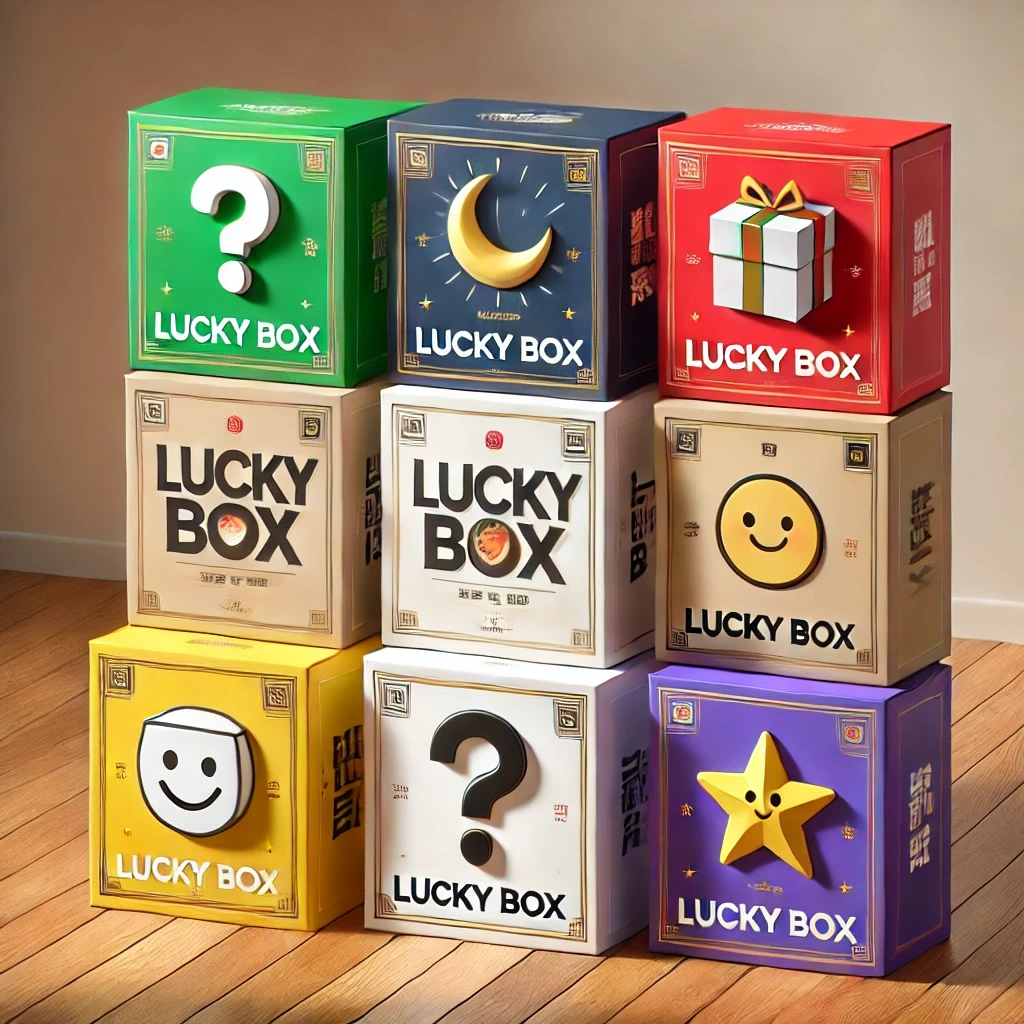
The Numbers in One Place
| Unit | Typical count | What it usually guarantees you |
|---|---|---|
| One blind box | 1 figure | One design from the roster, or the secret |
| Display box | 12 boxes | Often one of each regular design (check the series) |
| Master carton | 12 displays / 144 boxes | At 1:144, one secret |
| Full regular set | 12 figures | Every roster design, no secret |
| Full set with secret | 13 figures | Roster plus the hidden design |
Two things follow from the table. A display box is the efficient unit if you are completing a set, and a single box is the efficient unit if you simply want a figure. Buying six or eight loose boxes to "get most of the set" is the worst of both: enough to guarantee duplicates, not enough to guarantee coverage.
Note: "Display box guarantees a full set" is a convention, not a rule, and manufacturers state it differently. Some print "one full set per display" on the carton; some ship displays with a random mix and say so; some are silent. Before you pay display-box prices for the guarantee, find the statement on the packaging or the maker's site. Silence means random.
Why the Inner Bag and the Display Matter Together
In a shop, boxes sit in an open display and can be handled. Figures in a series differ in weight and shape, and without a sealed inner bag they can sometimes be felt through the cardboard. Buyers who know the series will do this, and the effect is that the designs people want leave the display first. That produces the picked-over problem for you: a half-empty display carries worse odds than a full one, at the same price, for the designs anyone actually wanted. Two defences exist. Buy from a freshly opened display or a sealed one, or buy a series whose packaging defeats the squeeze; the packaging differences are set out in blind bags vs blind boxes.
Blind Box Figures vs Everything Else Called a Mystery Box
The word "mystery" attaches to two products that behave nothing alike, and blind box figures are the tidy end of it. A blind box figure has a published roster: you know every possibility, the unknown is which one. A general mystery box has no roster: the seller commits to a count and a condition from a category, and the unknown is everything. That is why blind box figures can have printed odds and general assortments cannot; there is nothing fixed to state odds against. The distinction, and what each format promises you, is in blind box vs mystery box. It is also why the two are judged differently. A figure is judged on paint, sculpt, and whether the series is the one on the box. An assortment is judged on count, condition, and price, which is exactly what Mewoo's electronics tiers state on the page in place of a roster. Complaints that cross the line, "the box did not contain the design I wanted" for a figure, "the items were not the ones in the picture" for an assortment, are the format working as designed.
Reading a Series Before Buying
- Roster size. Twelve is standard. Larger rosters are harder to complete and built for browsing.
- Secret ratio. Printed or not. If printed, remember it describes the carton.
- Display guarantee. Stated, random, or silent.
- Inner bag. Present means harder to identify in a display; absent means buy from a fresh one.
- Material and size. PVC at seven to twelve centimetres is standard; resin or larger sizes should cost more and say so.
- Run. A stated end date or production number means scarcity; "limited" alone does not. Why that matters for a series' later value is in why some blind box series become popular.
Condition, Paint, and What Counts as a Fault
Because figures are factory-painted in volume, small variations are normal and are not faults you can report: slight differences in paint tone between two of the same design, a faint seam line from the mould, minor differences in gloss. What is a fault: paint bleed across a clear edge, missing paint on a feature, a bent or warped part from heat in transit, a figure that does not stand when it is designed to, and any figure not from the series on the box. Photograph the figure against a plain background next to its inner bag and box, and report inside the seller's window. For a sealed series you bought at retail, a fault claim goes to the shop; for a series bought online, to the seller. The routine is in what to do when your mystery box arrives.
FAQ
What is a blind box figure?
A small painted collectible, most often PVC and somewhere between seven and twelve centimetres, sold sealed so that you cannot tell which of a series' designs is inside until you open it. The full line-up is printed on the box, so you are choosing from a known list, and only the draw is hidden. That printed list is the whole difference between this and a general mystery box, which promises you a count and a category and nothing more specific.
What does 1:144 on a blind box mean?
That the factory packs one secret figure into every carton of 144 boxes, twelve displays of twelve. It is a fact about how the boxes leave the factory, not a promise about how many you need to buy. Open a sealed carton and you will find exactly one. Buy 144 loose boxes from assorted shops over a year and your chance of at least one secret is around 63%, and lower if other buyers have worked through those displays first.
Does a display box contain a full set?
Frequently, but never assume it. Plenty of twelve-design series pack one of each regular figure into each display, and the better ones print that promise on the carton. Some ship displays with a random mix and tell you so. Some say nothing at all. Since a full-set guarantee is the main reason to pay display prices, look for the statement on the box or the maker's website before you hand over the money, and treat silence as meaning random.
How many figures are in a blind box series?
Twelve regular designs is the usual number, though six, eight, and nine also appear, and nearly every series adds one secret figure that is not shown on the main roster. So a complete regular set is twelve figures and a complete set including the secret is thirteen. Bigger rosters do exist, but they are much harder for you to finish and tend to be aimed at people buying one or two boxes for fun rather than collecting.
Why are figures sealed in an inner bag?
To protect the paint on the way to you, and to stop people cheating. Figures in a series weigh and feel different, and in an open shop display anyone who knows the line will press boxes until they find the one they want. A sealed foil bag inside the carton makes that much harder, which keeps the odds in a half-emptied display close to those in a full one, so the draw you get is closer to random.
Is paint variation between two of the same figure a fault?
Not usually, and a seller will not accept it. These figures are painted by the thousand, so a slightly different tone, a faint mould seam, or a small difference in gloss between two copies is normal. What you can report is paint bled across an edge, a missing colour, a part warped by heat in transit, a figure that will not stand, or a figure from the wrong series. Photograph it next to its bag and box before you write.
Final Thoughts
A blind box figure is a small painted PVC collectible from a published roster, packed twelve to a display and twelve displays to a carton, with a secret seeded at a rate that describes the carton, not your purchases. Buy one box for a figure, a sealed display for the set, and read the roster, the ratio, and the display guarantee before you decide. The format is fair exactly to the extent that you know which unit you are buying.
If what you want is the assortment rather than the roster, the same clarity comes as a stated count and condition: Triple Reveal Electronics Mystery Box (3 items) and Party Electronics Mystery Box (6 items). Compare every tier side by side on the electronics mystery box category page.
See how assortments differ from figure series →