Why Some Blind Box Series Become Popular
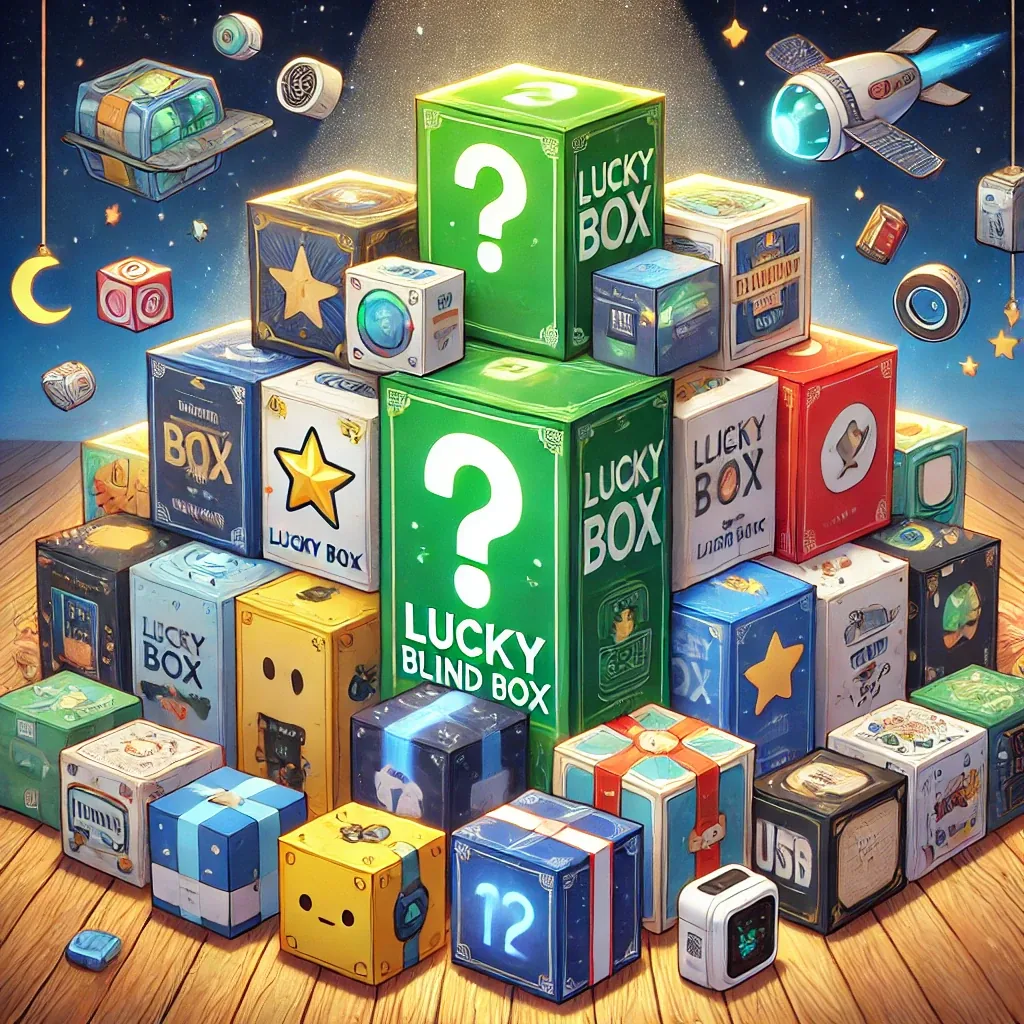
Some blind box series sell out in minutes and trade above retail for years. Others sit on the same shelf at the same price and never move. The difference is rarely about which figures look better. It comes down to four design decisions the manufacturer made before anything was produced, and you can spot all four on the packaging. Knowing them also tells you something uncomfortable: popularity makes buying blind worse for you, not better.
Popularity Is Designed, Not Discovered
It is tempting to assume a series becomes popular because people happened to like it. Sometimes that is true. More often the series was built to be chased, and the chasing is what produces the visible demand. That distinction matters for you, because a series designed for chasing behaves differently from one designed to be bought once. It costs more to complete, holds value differently, and sells out for structural reasons rather than because it is universally loved. Four design choices do most of the work.
The Four Levers
- A chase variant converts every purchase into a lottery ticket.
- A finite run creates scarcity that a reprint would destroy.
- Display value drives sharing, and sharing drives demand.
- Popularity helps you if you want the community and hurts you if you want the objects.
1. The chase variant
One design in the series is made deliberately scarce: a secret figure, a colourway, a variant not shown on the roster. Everything else in the series is ordinary; this one is not. The effect is out of proportion to the object. A single scarce item converts every unit in the series into a ticket, because any box you buy might contain it. Demand for the whole line rises even though most people will never get the rare one. It also changes the arithmetic of collecting substantially. The maths of completing a set assumes designs are equally likely, and a deliberately scarce variant breaks that assumption in the expensive direction for you; the calculations are in completing a blind box set.
2. A run that actually ends
Scarcity only works if it holds. A series that is reprinted whenever demand appears has no scarcity, however "limited" the packaging tells you it is. Series that hold value long-term are the ones where production genuinely stopped. That is a commercial risk for the manufacturer, since they are leaving sales on the table, which is precisely why it is rare and why it works.
3. Display value
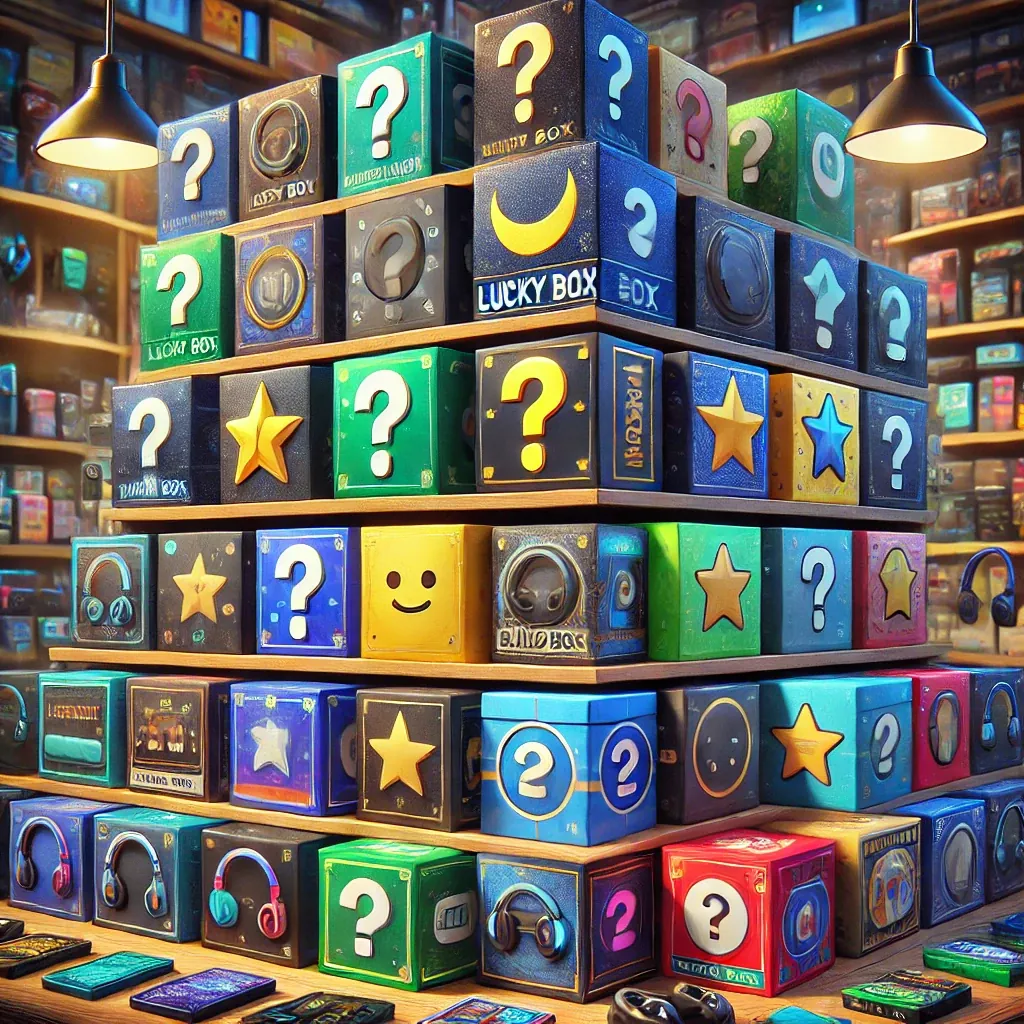
This is the lever people underestimate. A figure that looks good on a shelf gets photographed; a figure that looks good photographed gets shared; sharing is free distribution. Series designed to sit in a row, in matching poses, with visual variety between designs, generate far more of this than series where the figures look similar. The design brief is partly "will somebody put twelve of these on a shelf and post it". That is also why aesthetics-led buying is a distinct motivation with its own logic, covered in buying for display rather than use.
4. A short, legible roster
Twelve designs feels completable. Forty does not. A roster short enough for you to picture in your head turns "I might collect these" into a plan rather than a fantasy. Manufacturers know this, which is why series cluster around six to twelve designs even when they could produce more. The convention has a history; the capsule-toy tradition it grew out of is described in Japanese blind boxes and gachapon.
What Popularity Costs You
| Popular series | Ordinary series | |
|---|---|---|
| Availability | Sells out, restocks slowly | Always there |
| Price above retail | Common on resale | Rare |
| Cost to complete | Higher; chase variant | Predictable |
| Counterfeit risk | Real, rises with demand | Low |
| Trading community | Active | Thin or none |
| Buying blind | Worse odds on the thing you want | Fine |
The last row is the one for you to sit with. Popularity makes the format worse for you, not better, if what you want is a specific design, because everyone else wants it too and the manufacturer made it scarce on purpose.
Note: Counterfeit pressure follows popularity almost mechanically. A series nobody wants is not worth faking; a series trading above retail is. If you are buying a popular line outside official channels, the packaging details, print quality, seal type, inner bag, matter more than they would elsewhere.
How This Differs From an Assortment
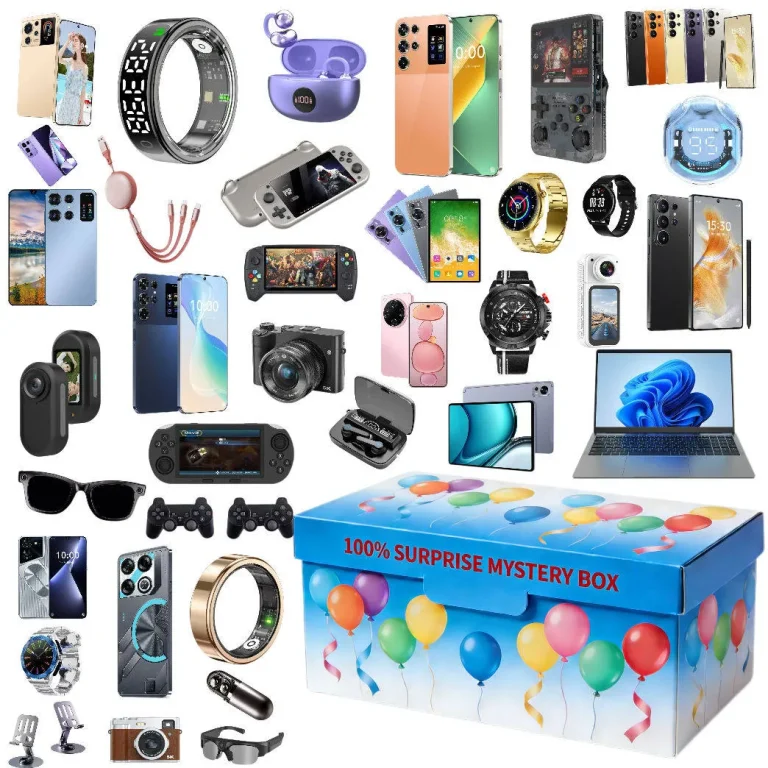
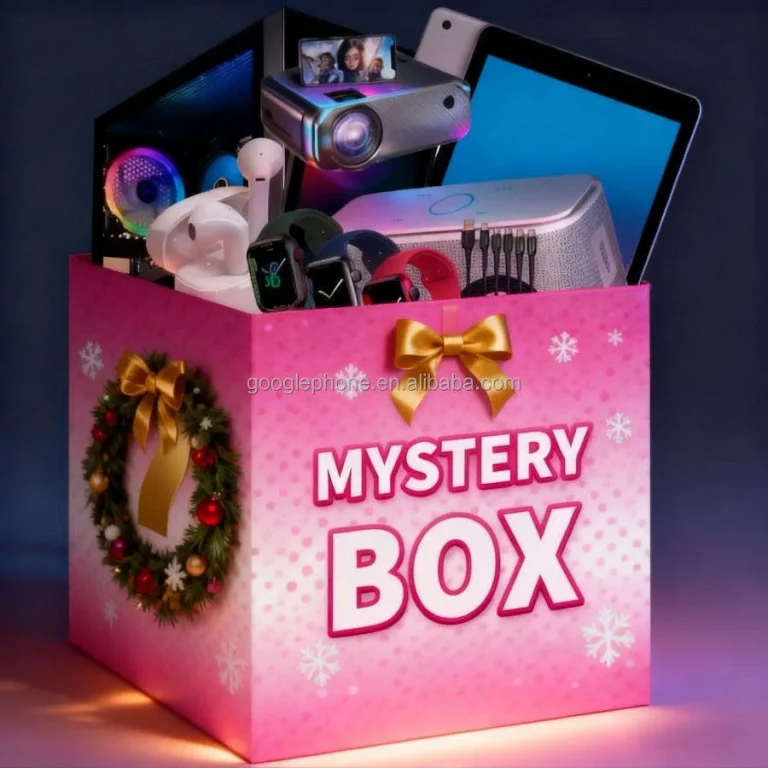
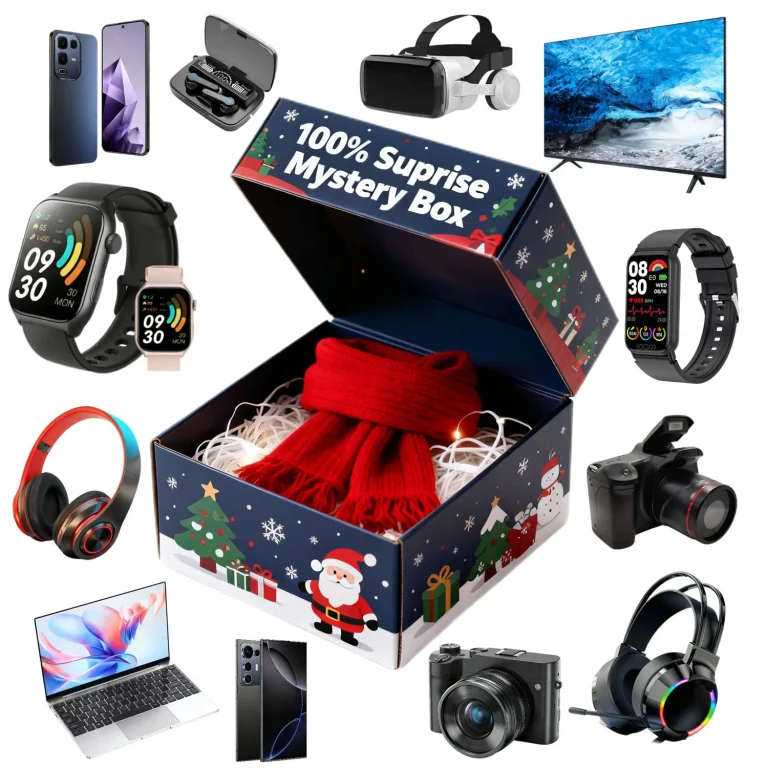
None of these levers exists in a general mystery box, and it is worth seeing why. There is no chase variant because there is no roster to be scarce within. There is no finite run because stock is replenished continuously against whatever is available at wholesale. There is no display value because the contents are accessories rather than objects designed to be looked at. And there is no legible roster at all. So an electronics assortment cannot become "popular" in this sense. It can be well-reviewed, well-priced, or reliable, but it cannot generate the chase dynamic, which is why nobody queues for one and nobody resells one above retail. The structural comparison is in toy mystery boxes and electronics boxes follow different rules. That is a feature if you are buying to use things and a limitation if you were hoping for an investment. Mewoo's tiers sit squarely on the feature side: always in stock, no chase, no secret, and nothing in the box that anyone is queuing for, which is exactly what makes the odds on a usable item the same for you as for everyone else.
Spotting the Levers Before You Buy
- Is a secret or chase variant named? If yes, expect the set to cost you more than the roster suggests.
- Is the run size or end date stated? A number or a date is scarcity; the word "limited" is not.
- How many designs? Six to twelve is built for completing. Twenty-plus is built for browsing.
- Is there an inner sealed bag? A sign the manufacturer took the randomness seriously; see what the packaging changes.
- Does a resale market exist? Search completed sales, not active listings.
Should Popularity Change What You Buy?
Only if you know why you are buying. If you want the objects, popularity is a cost. You pay more, wait longer, and face worse odds on the design you actually wanted. Buying an unpopular series you genuinely like is a better purchase in almost every respect. If you want the community, popularity is the product. Trading, comparing, and chasing only work where other people are doing the same thing, and a series nobody collects has none of that. If you want resale value, be honest with yourself that you are speculating, and that the levers above were designed by somebody with far better information than you have. The one clearly bad reason is buying into a popular series because it is popular, without wanting the objects or the community. That produces a shelf of things you do not care about at prices you did not need to pay. The difference between the two formats, and which one suits which motive, is in blind box vs mystery box.
FAQ
Why do some blind box series sell out instantly?
Because they were built to. Put one deliberately rare figure in the mix and every box becomes a ticket; cap the production run and refuse to reprint; keep the line-up short enough that collecting feels finishable; and design the figures to look good in a row on a shelf. Do those four things and the demand you see at launch is not a happy accident. It is the plan working, and it works on you as much as anyone.
Does popularity mean the figures are better?
Not in any way you can rely on. What makes a series sell out is scarcity, roster length, and shelf appeal, none of which say anything about how well the figures are sculpted or painted. Plenty of quiet series are better made than the ones people queue for; they simply have no secret figure to chase. If it is the objects you like, an unpopular line is often the better buy, and it will still be in stock next month.
Is a popular series worth buying blind?
If you have a particular design in mind, it is a worse bet than an ordinary series, not a better one. Everyone else wants the same scarce variant, the maker limited it on purpose, and restocks are slow when they come at all, so you are paying more for longer odds. The cheaper route to the one figure you want is nearly always to buy it outright from someone who pulled it and did not want it.
Why are popular series counterfeited more?
Because a fake only pays when the real thing sells above retail, and only popular series do. Nobody bothers copying a line that sits on the shelf at full price. So if you are buying a hot series from anywhere other than an official retailer, the small things become the whole check: how sharp the print on the box is, what kind of seal it carries, and whether there is a foil inner bag where the genuine article has one.
Can an electronics mystery box become popular the same way?
No, and that is the nature of the product. With no roster there is nothing for a rare variant to be rare within; with stock topped up continuously there is no finite run; and a charging cable has no shelf appeal. An assortment can earn a reputation for price and reliability, but nobody will queue for it or flip it above retail, which is fine if you wanted usable things and disappointing if you wanted an asset.
How do I tell if a "limited" series really is?
Find the number. A stated quantity or a printed end date is something you can verify; the phrase "limited edition" on its own is a mood and costs the maker nothing to print. The series that keep their value are the ones where production truly stopped, and because stopping means walking away from sales, few makers actually do it. When the box gives you no figure, assume the run is as long as demand lasts.
Final Thoughts
Popularity in this category is manufactured through four levers: a scarce chase variant, a run that genuinely ends, figures designed to be displayed and shared, and a roster short enough to feel completable. Check for those before you buy, and be clear whether you want the objects, the community, or the resale, because popularity helps the second and actively hurts the first.
If what you want is the objects, with the same odds for you as for everyone else and no chase to lose: Triple Reveal Electronics Mystery Box (3 items) and Party Electronics Mystery Box (6 items). Compare every tier side by side on the electronics mystery box category page.
See how the two formats differ →