Anime Blind Boxes: Prize Figures, Scale Figures, and Why Kuji Is Not a Blind Box
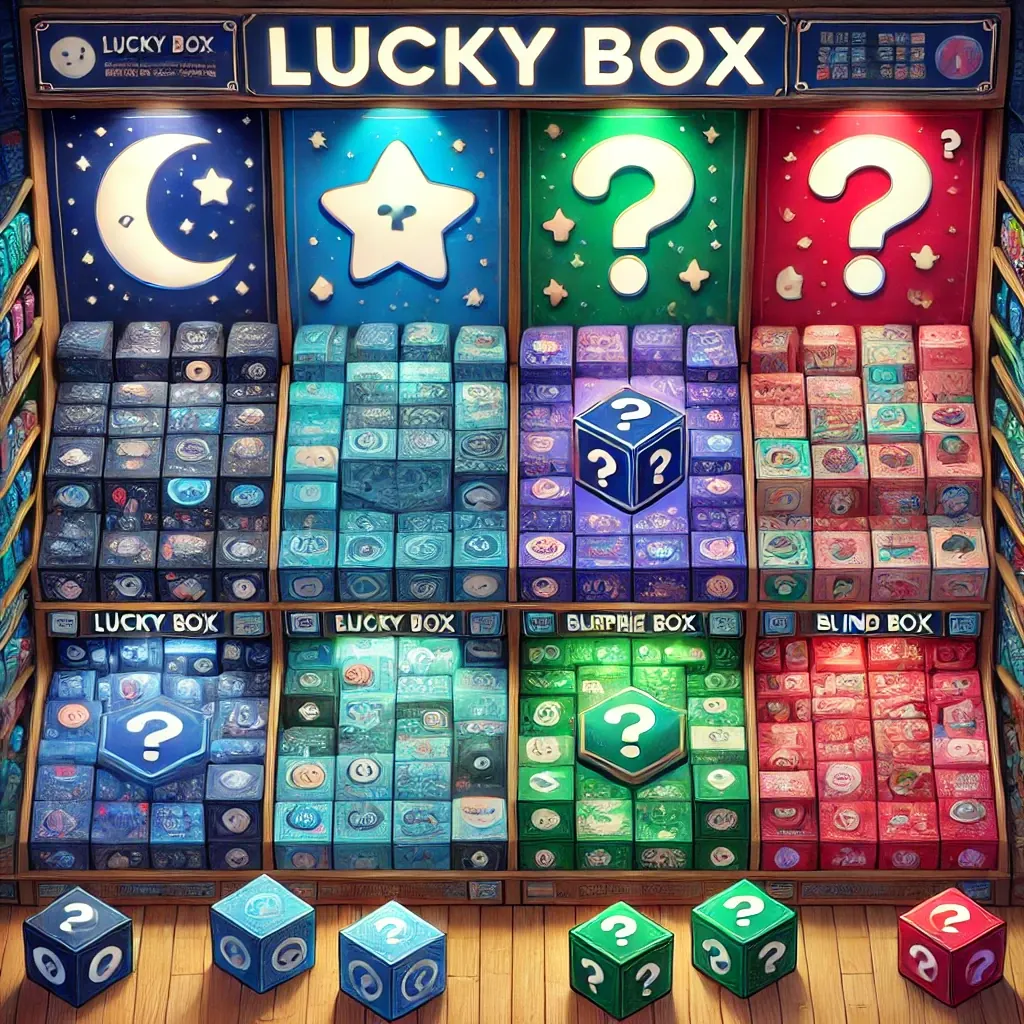
"Anime blind box" is a search that lands you on four different products. Trading figures are the actual blind box format. Prize figures were made for arcade machines and reach you second-hand. Scale figures are never sold blind and are priced accordingly. And kuji, the ticket lotteries that fill anime shops, are not blind boxes at all, though they are constantly called that. Knowing which one a listing describes is the whole skill, and the packaging usually tells you.
Four Products Under One Search
Anime is a genre, and the figures you find under it come from a supply chain with its own categories. Each one was designed for a different channel, and the channel decides the size, the quality, the price you pay, and whether "blind" is even the right word. Trading figures. Small, usually five to ten centimetres, sold in sealed boxes from a printed roster, packed in display boxes, often with a secret. This is the blind box format proper, and it is the only one of the four where the surprise you get was designed in. Everything in blind box figures explained applies directly. Prize figures. Larger, fifteen to twenty-five centimetres, and originally made to be won from arcade crane machines in Japan, not sold at retail. They reach you overseas through exporters, which is why they arrive in plain brown boxes with a small sticker rather than retail packaging. Quality is deliberately modest; the manufacturing brief was "good enough to be a prize". Scale figures. The premium tier. Sold by fraction, 1/7, 1/8, 1/4, so a 1/7 figure of a 170 cm character is about 24 cm. Pre-painted, boxed with a window, priced from a hundred dollars to several hundred, and never sold blind because nobody would accept the randomness at that price. Kuji. A ticket lottery. A shop sells numbered tickets from a fixed pool; each ticket wins a prize from a tiered list, a large figure at the top, small goods at the bottom, and a "last one" prize for whoever buys the final ticket. Every prize exists in a known quantity, and when the pool is sold out, the lottery is over for you and everyone else.
Why Kuji Is Not a Blind Box
- Trading figures are the blind box format; prize figures are arcade goods sold on; scale figures are never blind; kuji is a lottery.
- A kuji has a fixed, published prize pool that depletes; the odds change with every ticket sold.
- Packaging tells you which: retail box with roster, plain export box, window box, or a ticket.
- Buy a specific character as a named product, never blind.
The confusion is understandable, since you pay, you do not know what you get, and the result is a figure, but the mechanics are opposite. A blind box series is manufactured in bulk with a fixed ratio between designs. The odds on any one box are the same as on any other from a fresh display, and they do not change because someone else bought first, except through the picked-over effect in open displays. A kuji is a finite pool. There might be two A-prizes, four B-prizes, and sixty small prizes in a set of eighty tickets. The prize list and quantities are printed on the poster for you to read. When the two A-prizes are gone, no ticket can win one, and the shop will usually cross them off. The odds of the top prize therefore go from 2-in-80 at the start to zero, and the odds of every remaining prize rise as the pool shrinks, which is why the last few tickets of a kuji are sometimes the best value for you and sometimes the worst, depending on what is left. That structure, a known, depleting pool, is the defining feature of a lottery, and it is what a "sealed case" of blind boxes tries to imitate at the case level. The two should not be priced the same way or bought with the same expectations.
Reading the Packaging
| Trading figure | Prize figure | Scale figure | Kuji prize | |
|---|---|---|---|---|
| Size | 5 to 10 cm | 15 to 25 cm | Stated fraction, often 20 to 30 cm | Varies by tier |
| Packaging | Sealed retail box, roster printed | Plain brown box, sticker | Window box, illustrated | Tier-labelled box, "A prize" etc. |
| Blind by design | Yes | No; made for crane machines | No | Lottery, not blind box |
| Odds | Fixed per box; ratio may be printed | None; you know what you are buying | None | Published, depleting |
| Original channel | Retail | Arcades | Retail, preorder | Convenience stores, hobby shops |
| Typical price | Low | Low to mid, second-hand | High | Per ticket |
| Licensed | Yes | Yes | Yes | Yes |
The licensing row is the same across all four, and it is why every anime figure you buy behaves like a character series: royalty in the price, an existing audience, sellouts on release, counterfeit pressure that rises with popularity, and resale that tracks the property rather than the object. The contrast with unlicensed series, which have none of those, is in animal blind boxes: why unlicensed series are priced differently.
Note: Prize figures and kuji prizes sold to you outside Japan are almost always second-hand in the technical sense: somebody won them or bought the tickets, and an exporter bought the stock. That is normal and not a mark against them, but it means "new" on such a listing means "unopened", not "from the manufacturer", and the plain box is not a sign of a fake.
Where "Anime Mystery Box" Fits
Separately from all four, there is the assortment: a seller's box of anime-themed goods, a figure or two, keychains, a print, stickers, with no roster and no series. This is a themed mystery box, and you judge it by mystery box rules: count, condition, price, and whether the seller stated what the box cannot contain. The theme constrains less than it appears to, and the general point is in what a theme actually constrains in a mystery box. Two things are specific to anime assortments. First, "figure included" usually means a prize figure, because that is the cheapest way to put a large figure in a box; a listing that implies a scale figure at an assortment price is implying something the arithmetic does not allow. Second, the counterfeit problem is real. Popular characters attract bootleg figures, and an assortment from an unfamiliar seller is the channel where bootlegs are most likely to reach you. Base and box markings, paint quality at the hairline, and the licensor's holographic sticker are the usual tells for you to check.
Which One to Buy, by What You Want
You want a specific character in a specific pose. A scale figure, bought as a named product, or a prize figure of that character on the secondary market. Neither is blind and neither should be bought blind. You want a small set to display together. A trading figure series, ideally as a sealed display box for the roster guarantee. The set-completion arithmetic is in completing a blind box set: case vs loose box math. You want the top prize from a kuji. Check the poster for how many remain, and buy late if the pool has been picked through by people chasing small prizes, or buy the prize outright on the secondary market, which is often cheaper than the expected number of tickets. You want a cheap random pile of merchandise. A themed assortment, priced as one, with the figure inside assumed to be a prize figure. And if what you actually wanted was the reveal rather than anime specifically, an electronics assortment carries none of the bootleg risk, because there is no licensed character to fake; Mewoo's tiers state a count and a new, checked condition instead.
A Note on Where the Format Came From
Trading figures and kuji both grew out of the Japanese capsule-toy and convenience-store traditions you may already know, where small, cheap, collectible goods sold in random form have been ordinary for decades. The conventions that now govern every blind box figure you buy, the twelve-design roster, the secret, the display box, were established there, and anime figures are simply the best-known application. The lineage, and what it explains about the format's rules, is in Japanese blind boxes and gachapon: a different tradition.
FAQ
What is an anime blind box?
Strictly, a trading figure: a palm-sized character sealed in a box from a printed line-up, often with a hidden design in the mix, and the only one of the four you can honestly call blind. Shops use the phrase far more loosely, sticking it on prize figures, scale figures, and kuji lotteries too, none of which were built to be bought blind. Only the trading figure had the surprise designed in at the factory.
What is a prize figure?
The figure you win from a claw machine. It is mid-sized, roughly hand-to-forearm height, and was never meant for a shop shelf. Exporters buy them in quantity and send them abroad, which is why yours turns up in a plain brown carton with a sticker. They are built to a modest standard on purpose, cost little, and are the figure you will most often find inside an anime-themed assortment.
Is kuji the same as a blind box?
No, and the difference matters to your odds. A kuji is a raffle with a printed prize list, say two top prizes, four middle, and sixty small across eighty tickets, and every ticket sold removes something from the pool. Sell the top prizes and the rest of the tickets are playing for what is left. A blind box series comes off a production line at a fixed ratio, so a fresh box has the same odds whoever bought before you.
Are scale figures ever sold blind?
No. A scale figure is a named product you choose from a catalogue, sold by fraction such as 1/7 or 1/8, and its price sits far above anything a lucky dip could absorb. So when an assortment listing at assortment money hints that a scale figure might be inside, the arithmetic has already told you the truth: whatever figure you unpack will be a prize figure.
Why do prize figures come in plain boxes?
Because nobody ever intended them to sit on a shop shelf. Inside a crane machine the box is just a container, and by the time an exporter has bought the stock and shipped it to you, a brown carton with a small licence sticker is exactly what a genuine one looks like. Do not read the plain packaging as a warning sign. Judge authenticity from the maker's mark on the base and the sharpness of the paint instead.
How do I avoid bootleg anime figures in a mystery box?
Start with the seller: prefer one who names the manufacturer and shows the licensor's holographic sticker, and be most wary of popular characters from sellers you do not know, because fakes follow demand. When the figure arrives, turn it over and look for a maker's mark on the base, check that the paint at the eyes and hairline is crisp, and measure it. A bootleg a few millimetres short is one of the most reliable tells.
Final Thoughts
Trading figures are the blind box; prize figures are arcade goods in plain boxes; scale figures are named products, never blind; kuji is a lottery with a published, depleting pool. Read the packaging to tell them apart, assume the figure in any anime assortment is a prize figure, and buy a specific character as a named product rather than chasing it blind. The format makes sense for the roster, never for the one you already wanted.
If it was the reveal you were after rather than a licensed character, an electronics box carries no bootleg risk and states what it promises: Triple Reveal Electronics Mystery Box (3 items) and Men's Electronics Mystery Box (3 items). Compare every tier side by side on the electronics mystery box category page.
See how blind boxes differ from assortments →