Japanese Blind Boxes and Gachapon: A Different Tradition

Japanese blind boxes are treated as the origin story of the Western mystery box, and in one narrow sense, the New Year lucky bag, they are. But the formats you mean by Japanese blind box toys today, the capsule machine and the boxed figure series, run on rules the mystery box does not share. Which tradition you are buying into changes what a duplicate means, what "odds" refers to, and whether the box was ever meant to be a bargain.
Three Japanese Formats, Not One
The phrase covers at least three products with separate mechanics. Gachapon (also written gashapon, and sold abroad as a gacha blind box). Capsule toys from coin-operated machines. You choose the machine, which is one series; the machine chooses the capsule. Every possible item is printed on the front of the machine, and you pay per turn. Boxed figure series. The Japanese blind box figures most collectors mean: sealed identical boxes, each holding one figure from a published line-up, typically sold from a display case of a dozen or so. Buying the whole sealed case usually yields you a full set; buying loose boxes is a draw. This is the ancestor of the collectible blind box sold worldwide. Kuji. A paper lottery ticket bought at a counter, redeemed on the spot for a prize from a tiered list, larger prizes at the top, small ones at the bottom, and a "last one" prize for whoever buys the final ticket. Everybody wins something; what varies is which tier. The New Year lucky bag, fukubukuro, is a fourth and older tradition, and it is the one that actually leads to the mystery box. Its history and its inversion from clearance into premium curation are covered in lucky box vs mystery box.
The Rule That Separates Them From a Mystery Box
- Japanese formats publish the full roster; a mystery box publishes a category.
- Odds belong to a series, not to a seller, and are fixed at manufacture.
- Nothing is designed to exceed its price; the draw is the product, not a bargain.
- Buy a sealed case for a set, and judge a mystery box on count, condition, and range instead.
The roster is public
Every gachapon machine shows you every capsule you could receive. Every boxed series prints its line-up on the packaging. Every kuji lists the prizes by tier before you buy. You know the complete set of outcomes; you do not know which one you get. A mystery box works the other way round. You know the category, "tech accessories", "beauty", and nothing else, because the seller assembles from whatever stock it holds. That is not a lesser version of the same thing; it is a different transaction, and the words that describe one mislead you about the other. The distinction is drawn in full in blind box vs mystery box.
Odds are fixed at manufacture
Because a series is produced in fixed ratios, its odds are a property of the product rather than of the shop. A secret or chase figure that appears once per case appears once per case wherever that case is sold. A seller cannot improve or worsen your chances without breaking the seal. A mystery box seller controls the pool entirely, which is why "odds" on a mystery box listing is a claim rather than a fact, the question examined in fairness claims and provably fair systems.
Nobody is promising value above the price
A capsule costs what a capsule costs. Nobody buys one expecting the toy to be worth more than the coin. The Japanese formats sell you the draw and the collection; they do not sell a bargain, and they do not need a retail-value figure to justify the purchase. The mystery box market inherited the reveal and bolted a value claim onto it, which is the source of most of its disputes.
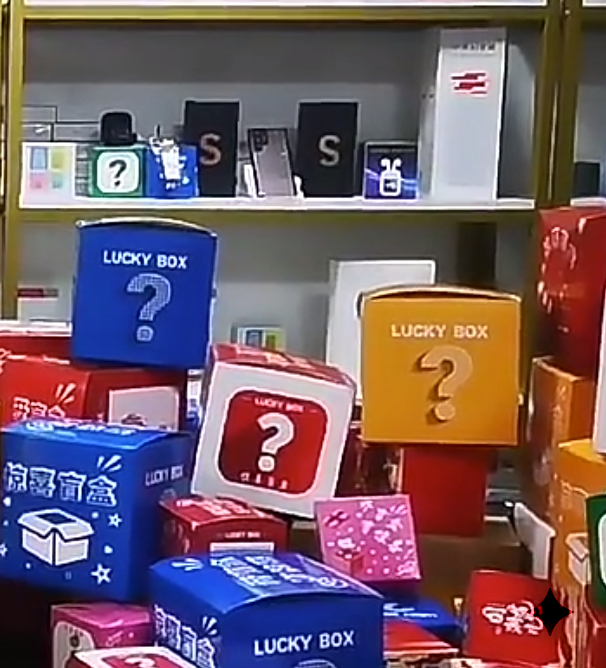
Side by Side
| Gachapon | Boxed figure series | Kuji | Mystery box | |
|---|---|---|---|---|
| What you know beforehand | Full roster on the machine | Full line-up on the box | Prize tiers on the poster | A category |
| Who sets the odds | The maker | The maker | The maker | The seller |
| Duplicates | Tradeable | Tradeable | Rare; tiers, not items | Dead weight |
| Guaranteed full set | No | Sealed case, usually | No | No roster to complete |
| Value claim | None | None | None | Usually a retail figure |
| Cash-out | No | No | No | No, except online-only sites |
Read across the duplicates row. In every Japanese format a duplicate has a home, a trading community, a swap, a resale price, because the roster is public and other collectors want what you have twice. A mystery box duplicate has nowhere to go.
Note: "Japanese blind box" on an overseas listing often means an imported series sold loose, outside its original display case. Loose boxes from a broken case carry the same selection problem as any open tray, since whoever opened the case may have kept the secret figure, so a sealed case, or a seller who states the case is unopened, is worth the premium if you are completing a set.
What Travels and What Does Not
The Western collectible blind box borrowed the boxed-series format almost intact: sealed identical boxes, a printed line-up, a secret figure, a sealed case that completes the set. That borrowing is why the toy blind box market behaves so differently from the electronics mystery box market, as set out in toy mystery boxes and electronics boxes follow different rules. What did not travel is the restraint. Gachapon and kuji are priced as small entertainments with no value claim attached; the mystery box arrived in the West already wearing a "worth $200" sticker. If there is one thing worth you importing from the Japanese tradition, it is the idea that the draw is the product and the price should be small enough that a poor result is a shrug. That is also the honest way to read an electronics assortment: not as a bargain against a retail figure, but as a stated count of new items at a price you would shrug at, which is how Mewoo's tiers are written.
Which to Buy, and How
- Gachapon for a cheap, complete experience with no expectation of value. Buy from the machine, not from a reseller, if you can.
- A boxed series when you want a set. Buy the sealed case, or from a seller who states the case is unopened.
- Kuji when the top prizes are what you want and you are content with a lower tier. Check how many tickets remain; the last-one prize goes to whoever buys the final ticket.
- A mystery box when you want usable goods rather than a collection, and judge it on item count, condition, and category range, the three things a seller can be held to. What an electronics one can draw from is in the possible categories of an electronics mystery box.
FAQ
What is the difference between Japanese blind boxes and mystery boxes?
What you are told before you pay. A capsule machine, a boxed series, or a kuji counter shows you every possible outcome and the maker fixed the ratios at the factory; the only unknown is which one lands in your hand. A mystery box gives you a heading and no list, since the contents are whatever the seller had in stock. One is a draw from a list you can read; the other conceals a list that does not exist.
What is gachapon?
The capsule-toy machine. Each machine holds one series, with every item pictured on the front, and you feed in coins, turn the handle, and take whatever capsule drops. There is no pretence about value on either side of the glass. What you are paying for is the turn of the handle and the chance to fill out the set pictured on the front, and at that price a capsule you already have is a mild shrug rather than a grievance.
What is kuji?
A raffle you buy at a shop counter and settle on the spot. The prizes are printed on a poster in tiers, a big figure or two at the top and small goods at the bottom, and every ticket wins something from one of those tiers. Your only uncertainty is which tier. Many runs also hold back a "last one" prize for whoever buys the final ticket, which is why regulars watch the tail end of a kuji so closely.
Do Japanese blind boxes have better odds?
Not better, but honest in a way you can check. The ratios are set on the production line, so the chance of the secret figure is identical in every shop on earth, and no retailer can shift it without breaking the seal. A mystery box seller owns the whole pool and can tilt it any way they like, so any "odds" on that kind of listing are the seller's word rather than a property of the product you are buying.
Should I buy a sealed case or loose boxes?
A sealed case whenever a complete set is the goal, because it usually holds the full line-up and nobody has handled the individual boxes with intent. Loose boxes taken from an opened case are a different proposition: whoever broke that case had first pick, and the secret figure may already be sitting on their shelf. If loose is your only option, ask the seller directly whether the case was unopened, and weigh the answer before you pay.
Are Japanese blind boxes related to lucky bags?
They are cousins, not the same family. Fukubukuro, the New Year lucky bag, began as a way for department stores to clear unsold stock, and the mystery box you buy online descends from it. Gachapon, boxed figure series, and kuji are collecting formats built around a published roster and fixed odds, and they fathered the collectible blind box instead. If you want to know which tradition a listing belongs to, ask whether it shows you a roster.
Final Thoughts
Gachapon, boxed series, and kuji share one rule the mystery box lacks: the roster is public and the odds belong to the maker. That is why duplicates trade, sealed cases complete sets, and nobody needs a value claim to justify a coin. Buy the Japanese formats for the draw and the collection, and judge a mystery box on the three things a seller can commit to you: count, condition, and range.
If the restraint is what you take from the Japanese tradition, a stated count of new items at a price you would shrug at is the electronics version of it: Discovery Electronics Mystery Box (1 item) and Triple Reveal Electronics Mystery Box (3 items). Compare every tier side by side on the electronics mystery box category page.
See what an electronics box can contain →