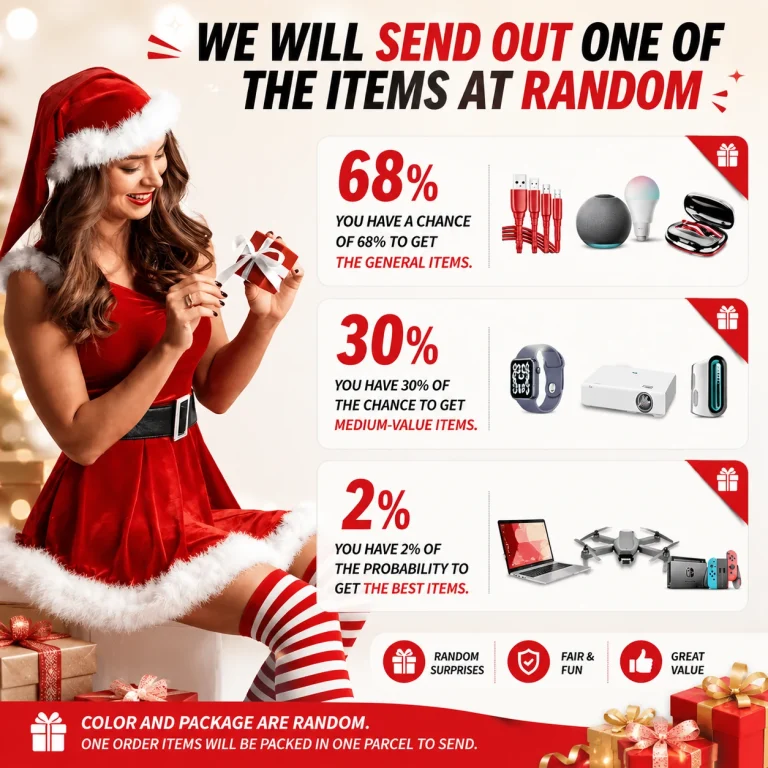
Published odds, provably fair, and stated terms are three different claims. Which one applies to the box in front of you, what each proves, and what to check when the badge does not fit.
One multi-item box, two people: choose an even count, check the categories against both of you, and agree the split rule before you open. When two boxes beat one.
Packaging is the visible waste; a working gadget nobody uses is the bigger one. How the format both creates and prevents waste, and the three choices that cut it on your end.
An unboxing video is a sample of one. What it can prove, what it cannot, why sponsored hauls differ from yours, and a five-minute way to use videos well before you order.
For resellers: how mystery boxes and liquidation pallets differ on the manifest, the condition line and the delivered cost, which unknown you can absorb, and how to run a first test.
What you are really buying in a mystery box, what the seller gets in return, why the reward peaks before you open it, and the one question to ask yourself before you pay.
A practical routine for the hour after delivery: photograph the sealed parcel, sort into four piles, test without special tools, know what counts as a fault, and report inside the window.
A blind box sells one item from a published series with odds; a mystery box sells several items inside stated terms. Which questions to ask each, how each disappoints, and which fits you.
A subscription repeats the delivery and the charge; a one-time box ends when it arrives. Compare cost, control, duplicates, cancellation and gift use, and decide which fits you.
Nine checks to choose a mystery box well: what is guaranteed, condition, category range, item count, delivered cost, timing, support, transparency, and the smallest useful first order.